









MSI Is A Global Association Of Over 250 Independent Legal And Accounting Firms In More Than 100 Countries. MSI Has A Successful Track Record Of More Than 25 Years And The Firm Has Recently Been Selected To Represent Mumbai, India.
Please Click Here To See MSI’s Info Graphic Which Highlights Key Facts Of The About. With The Membership At MSI, The Firm Has Now Access To 253 Legal And Accounting Firms Worldwide For Its Clients Who Desire To Do Cross Border Transactions Across The World.

How to Structure Equity Ownership in an Early-Stage Startup
Building a startup involves more than developing an innovative product or attracting customers. One of the most important decisions founders make is creating a fair and sustainable startup equity ownership structure. Equity determines ownership, voting rights, future fundraising flexibility and long term control of the business. A poorly planned ownership structure can lead to founder disputes, investor concerns and operational challenges. On the other hand, a carefully designed equity structure supports business growth, attracts investment and creates alignment among founders, employees and future shareholders. Understanding how to allocate equity at the beginning allows startups to establish a strong legal and commercial foundation for future success.
Many startups fail not because of weak business ideas but because ownership arrangements were never properly discussed or documented. Planning equity carefully from the outset reduces uncertainty and builds confidence among all stakeholders.
Understanding Equity Ownership
Equity represents ownership in a company. Each shareholder owns a percentage of the business based on the number of shares held. Ownership carries financial rights, voting rights and, in many cases, participation in important corporate decisions. For startups, equity is often the most valuable asset because it reflects both current ownership and future growth potential. A well planned ownership structure should balance founder contributions with the company's long term objectives.
Why a Startup Equity Ownership Structure Matters
A carefully designed startup equity ownership structure provides clarity, stability and flexibility as the business grows. It establishes how ownership will be distributed, how decisions will be made and how future investment will affect existing shareholders. Investors frequently examine equity arrangements before committing capital because unclear ownership creates unnecessary legal and commercial risks. A transparent structure improves governance while strengthening investor confidence.
Assess Founder Contributions
Equity should reflect the overall value each founder contributes to the business. Contribution is not limited to financial investment.
Businesses should also consider:
- Industry expertise
- Technical knowledge
- Business development
- Intellectual property
- Full time commitment
- Strategic leadership
Open discussions during the early stages help founders establish realistic expectations regarding ownership.
Avoid Equal Ownership Without Evaluation
Many founders divide equity equally because it appears simple and fair. However, equal ownership is not always the most appropriate solution. Differences in experience, investment, responsibilities and long term commitment should be evaluated carefully before finalising ownership percentages. A balanced approach often prevents future disagreements.
Introduce Founder Vesting
Founder vesting has become a common feature of startup governance. Instead of receiving full ownership immediately, founders earn equity gradually over an agreed period. Vesting protects the business if a founder leaves shortly after incorporation. Investors also prefer vesting arrangements because they encourage long term commitment. Clearly documented vesting provisions strengthen business stability.
Reserve Equity for Future Investment
Many startups focus only on founder ownership and overlook future fundraising. As the business grows, new investors may require equity in exchange for funding. Planning for future investment from the beginning helps reduce unexpected dilution. A well structured ownership plan allows businesses to raise capital without disrupting governance.
Create an Employee Stock Option Pool
High growth startups often attract talented employees by offering equity incentives. Creating an Employee Stock Option Plan enables businesses to reward employees while conserving cash during early growth. Planning an option pool before major investment rounds is generally more efficient than introducing one later. Employee ownership also encourages long term commitment.
Prepare Founder Agreements
Equity allocation should always be supported by legally enforceable documentation. Founder agreements typically address:
- Ownership percentages
- Roles and responsibilities
- Vesting
- Decision making
- Exit procedures
- Confidentiality
- Intellectual property ownership
Clear documentation significantly reduces the likelihood of future disputes.
Protect Intellectual Property
Intellectual property frequently represents the most valuable asset of an early stage startup. Software, branding, inventions, designs and creative work developed by founders should be legally assigned to the company. This ensures the business, rather than individual founders, owns its core assets. Official information regarding intellectual property protection is available through Intellectual Property India.
Plan for Share Transfers
Ownership should not be freely transferable without appropriate safeguards. Founder agreements and shareholder agreements commonly include restrictions governing share transfers. Typical provisions include:
- Right of first refusal
- Tag along rights
- Drag along rights
- Buyback arrangements
These provisions help maintain ownership stability while protecting shareholder interests.
Consider Future Dilution
Every investment round generally results in some level of ownership dilution. Founders should understand how future fundraising may affect their ownership percentages. Careful financial modelling helps businesses anticipate these changes. Planning early reduces surprises during negotiations.
Establish Strong Corporate Governance
Equity ownership and governance work together. Clearly defined voting rights, board representation and approval procedures improve accountability. Businesses with organised governance structures generally experience smoother decision making and stronger investor confidence. Corporate compliance guidance is available through the Ministry of Corporate Affairs.
Business Formation and Equity Planning
Entrepreneurs planning to setup a company in India should develop an equity ownership strategy alongside incorporation documentation. Preparing founder agreements, shareholder records and governance documents at the incorporation stage creates a stronger legal framework for future growth. Early planning reduces legal uncertainty and supports investment readiness.
Maintain an Accurate Capitalisation Table
A capitalisation table records the ownership of every shareholder. As businesses issue additional shares, attract investors or introduce employee stock options, the capitalisation table should be updated promptly. Maintaining accurate ownership records simplifies due diligence and corporate compliance. Well organised documentation reflects professional governance.
Review the Ownership Structure Regularly
Business priorities evolve over time. New investors, acquisitions, employee incentives and founder exits may require adjustments to the ownership structure. Regular legal and financial reviews ensure the equity structure continues supporting commercial objectives. Periodic assessment also improves long term governance.
Seek Professional Legal Advice
Structuring equity involves important legal, financial and commercial considerations. Professional advisors assist businesses with founder agreements, shareholder documentation, share issuance and regulatory compliance. Entrepreneurs comparing the pvt ltd company registration cost in India should also evaluate the long term value of obtaining professional legal advice during incorporation, as properly structured ownership arrangements can prevent significantly greater costs arising from future disputes.
Conclusion
A well designed startup equity ownership structure provides the legal and commercial foundation every early stage business needs for sustainable growth. By carefully allocating ownership, implementing founder vesting, protecting intellectual property and maintaining accurate shareholder records, startups reduce legal risks while strengthening investor confidence. Founders who address equity planning during the earliest stages of business development position their companies for smoother fundraising, stronger governance and long term success. Rather than treating equity allocation as a simple ownership exercise, entrepreneurs should view it as a strategic decision that influences every stage of the company's future growth.
Frequently Asked Questions (FAQs)
Q1. What is a startup equity ownership structure?
A startup equity ownership structure defines how ownership is distributed among founders, investors and other shareholders.
Q2. How should founders divide equity?
Equity should reflect each founder's contribution, responsibilities, expertise, investment and long term commitment rather than relying solely on equal ownership.
Q3. What is founder vesting?
Founder vesting allows ownership to be earned gradually over an agreed period, encouraging long term involvement in the business.
Q4. Why is an Employee Stock Option Plan important?
An Employee Stock Option Plan helps startups attract and retain talented employees by offering equity based incentives.
Q5. Can the equity structure change after incorporation?
Yes. Equity ownership may change through fundraising, share transfers, employee stock options or corporate restructuring.
Q6. Why do investors examine startup ownership structures?
Investors review ownership arrangements to assess governance, founder commitment, legal compliance and future fundraising flexibility.
The information contained in this communication is intended solely for the use of the individual or entity to whom it is addressed and others authorized to receive it. This communication may contain confidential or legally privileged information. If you are not the intended recipient, any disclosure, copying, distribution or action taken relying on the contents is prohibited and may be unlawful. If you have received this communication in error, or if you or your employer does not consent to email messages of this kind, please notify the sender immediately by responding to this email and then delete it from your system. No liability is accepted for any harm that may be caused to your systems or data by this message.
OUR CLIENTS







MEDIA COVERAGES
AWARDS & RECOGNITION









AFFILIATIONS & ASSOCIATIONS

MEMBERS OF MSI GLOBAL ALLIANCE

MEMBERS OF ILF
International Law Firms (ILF) Is An International Association Of Independent Smaller And Mid-Sized Law Firms Serving Their Clients’ Needs In Cross Border Business Legal Issues. Our Association With ILF Enables Us To Effectively Assist Clients With Trans-National Legal Issues At Effective Prices.
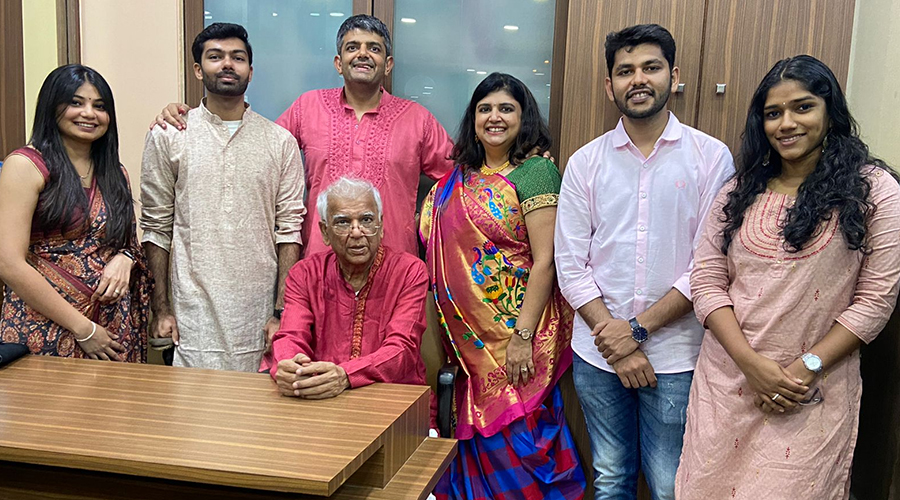
LIFE AT MHCO














PRACTICE AREA
Private Limited Company Registration in India
Setting up a Company in India
Foreign Direct Investment (FDI) in India
Foreign Business Registration in India
Small Business Registration in India
GET IN TOUCH
Mumbai: Surya Mahal, 2nd Floor 5, Burjorji Bharcha Marg Fort, Mumbai-400 023 India
Contact No.: T: +91-22-40565252
E: contact@mhcolaw.com
Delhi: C-9, Lower Ground Floor Jangpura Extension, New Delhi-110 0014 India
Contact No.: T: +91-11-40196496
E: contact@mhcolaw.com
Contact No.: T: +91-22-40565252
E: contact@mhcolaw.com
Delhi: C-9, Lower Ground Floor Jangpura Extension, New Delhi-110 0014 India
Contact No.: T: +91-11-40196496
E: contact@mhcolaw.com
2025 - MANSUKHLAL HIRALAL & CO.
Need Help? Chat with us