










MSI Is A Global Association Of Over 250 Independent Legal And Accounting Firms In More Than 100 Countries. MSI Has A Successful Track Record Of More Than 25 Years And The Firm Has Recently Been Selected To Represent Mumbai, India.
Please Click Here To See MSI’s Info Graphic Which Highlights Key Facts Of The About. With The Membership At MSI, The Firm Has Now Access To 253 Legal And Accounting Firms Worldwide For Its Clients Who Desire To Do Cross Border Transactions Across The World.

Establishing a company in India is a crucial step for entrepreneurs, investors, and businesses seeking to expand operations in one of the world’s fastest-growing economies. Setting up a company in India, offers access to a thriving commercial hub, regulatory support, and a diverse talent pool. From understanding the legal framework to completing regulatory formalities, businesses must navigate a structured process to ensure compliance, secure funding opportunities, and achieve sustainable growth. This guide covers the essentials of company formation, types of incorporation, key requirements, and professional advisory support to facilitate a seamless business setup in India.
Understanding the Landscape for Company Formation
India’s corporate environment is governed by the Companies Act, 2013, and related rules, providing a comprehensive framework for incorporation, taxation, and regulatory compliance. Entrepreneurs must consider sector-specific regulations, foreign investment policies, and applicable labour and environmental laws. The legal landscape ensures protection of shareholder rights, transparency in operations, and clear mechanisms for dispute resolution. Understanding these fundamentals helps business’s structure operations effectively, manage risks, and leverage government schemes such as Start-up India to gain tax and compliance benefits.
Legal Framework for Company Formation in India
Company formation in India requires compliance with central and state regulatory authorities. Key legal aspects include obtaining a Digital Signature Certificate (DSC), Director Identification Number (DIN), and registration with the Ministry of Corporate Affairs (MCA). Compliance with Goods and Services Tax (GST), Shops and Establishment Acts, and sector-specific licensing is often necessary. Legal advisors also guide companies on drafting Articles of Association, Memorandum of Association, and shareholder agreements to ensure statutory adherence and operational clarity. A robust company formation India online framework forms the foundation of a sustainable corporate entity in India.
Types of Company Incorporation in India
Entrepreneurs in India can choose from several business structures based on liability, capital requirements, and growth objectives. Choosing the right type also allows businesses to leverage various regulatory and tax benefits.
-
Private Limited Company - Popular for startups, a private limited company offers limited liability for shareholders, flexible funding options, and the ability to raise capital from investors. It is ideal for businesses seeking structured governance and scalability.
-
LLP Company - A limited liability partnership (LLP) company registration combines the operational flexibility of a partnership with limited liability protection. It suits professional services, small enterprises, and ventures requiring fewer compliance obligations than private limited companies.
-
One Person Company - An one person company registration provides solo entrepreneurs with a corporate structure and limited liability while maintaining operational simplicity. It is suitable for individual founders looking to formalise their business with a professional framework.
-
Section 8 Company - A section 8 company registration is designed for not-for-profit entities with charitable objectives. It focuses on social initiatives, compliance with regulatory norms, and governance standards required for organisations operating for public benefit.
-
Partnership Company - A partnership company registration is a traditional business model where responsibilities, profits, and liabilities are shared among partners. It is ideal for professional collaborations and small businesses seeking simple operational management.
-
Proprietorship Company - A proprietorship company registration is the simplest form of business, owned and managed by a single individual. It involves minimal regulatory formalities and is suited for small-scale operations with straightforward compliance requirements.
Selecting the right structure impacts taxation, funding opportunities, and operational compliance. Linking to specific company type pages ensures entrepreneurs can access detailed guidance for each model.
Step-by-Step Process to Set Up a Company in India
- Reservation of Company Name – Verify and reserve a unique name with the Ministry of Corporate Affairs.
- Digital Signature Certificate (DSC) – Obtain DSCs for proposed directors for e-filing purposes.
- Director Identification Number (DIN) – Apply for DINs to identify directors legally.
- Submission of Incorporation Documents – File Memorandum of Association, Articles of Association, and other statutory forms with MCA.
- Certificate of Incorporation – MCA issues the certificate confirming legal formation.
- PAN and TAN Registration – Apply for corporate PAN and TAN for taxation purposes.
- Opening a Bank Account – Establish a corporate bank account for operational transactions.
Following these steps ensures full legal compliance and smooth commencement of company setup India.
Documents Required to Establish Company in India
Common documents include:
- Identity and address proofs of directors and shareholders
- Proof of registered office
- Digital Signature Certificates
- Memorandum of Association and Articles of Association
- No-objection certificate from landlords or authorities
Accurate preparation of documents ensures timely registration and reduces the risk of delays in new company formation in India.
Timeline and Government Fees
The new company setup in India process typically takes 10–20 working days, depending on verification, approval, and complexity. Government fees vary according to company type, authorised capital, and state regulations. Professional advisory services help streamline payments, reduce procedural delays, and ensure compliance with statutory requirements.
Post-Incorporation Compliance Requirements
Post-registration obligations include:
- Annual filings with the Ministry of Corporate Affairs
- Income tax and GST compliance
- Maintenance of statutory registers and records
- Board resolutions and shareholder meetings
Proper adherence to post-incorporation compliance ensures operational transparency and prevents legal complications for company setup in India.
Key Considerations Before Incorporation
Entrepreneurs should assess:
- Business objectives and growth plans
- Liability exposure and risk mitigation
- Funding requirements and investor considerations
- Applicable taxation and incentives
- Sector-specific regulations and licensing
These considerations influence the choice of legal structure and long-term operational strategy.
Benefits of Registering a Company in India
- Legal recognition and credibility with investors
- Limited liability for owners
- Access to formal banking, funding, and investor networks
- Opportunities for government incentives and schemes
- Improved transparency and governance standards
Startup India Registration
Startups can avail benefits such as tax exemptions, compliance relaxation, and funding opportunities through the Startup India scheme. Registration requires submission of company details, proof of incorporation, and a clear business plan. Early registration enhances credibility and access to government-backed support.
How Professional Advisors Can Help?
Professional advisors, including MHCO, guide businesses through the end-to-end setting up a new company in India process. From selecting the most suitable legal structure to compliance management, advisory support ensures smooth incorporation, risk mitigation, and strategic alignment with business goals. Expert guidance allows entrepreneurs to focus on growth while remaining fully compliant with Indian regulations. Businesses can also explore business setup in India for detailed advisory support.
Frequently Asked Questions (FAQs)
Q1. What does setting up a company in India involve?
Setting up a company in India involves legally incorporating a corporate entity under the applicable company laws. The process generally includes selecting a suitable company structure, reserving a company name, preparing incorporation documents, appointing directors, and completing required registrations. Additional compliance requirements may apply depending on the company's activities and industry.
Q2. What is the difference between setting up a company and starting a business in India?
Setting up a company refers specifically to incorporating a legal corporate entity, while starting a business is a broader concept that may include operating as a sole proprietorship, partnership, LLP, or company. Not every business is a company. The appropriate structure depends on ownership, liability, funding needs, and long-term business objectives.
Q3. Which type of company can I register in India?
India offers several company structures under company law, including private limited companies, public limited companies, one person companies (OPCs), and companies limited by guarantee. The most suitable option depends on factors such as ownership, capital requirements, governance preferences, and future expansion plans. Eligibility requirements vary for each company type.
Q4. Who can become a director or shareholder of a company in India?
Individuals and, in some cases, corporate entities may become shareholders of an Indian company, subject to applicable legal requirements. Directors must satisfy the eligibility criteria prescribed under company law. Additional requirements may apply for foreign nationals, foreign companies, or regulated sectors depending on the applicable legal framework.
Q5. What documents are generally required to incorporate a company in India?
The required documents depend on the company's proposed structure and its promoters. Generally, incorporation requires identity and address proof of directors and shareholders, registered office details, constitutional documents, and prescribed incorporation forms. Additional documentation may be necessary depending on foreign ownership, regulated activities, or other specific legal requirements.
Q6. How long does it take to incorporate a company in India?
The incorporation timeline depends on the accuracy of submitted documents, regulatory processing, and whether additional approvals are required. Delays may occur if documents need clarification or if the proposed business falls within a regulated sector. Since every incorporation differs, timelines vary according to the specific circumstances and applicable legal procedures.
Q7. Does incorporating a company mean I can start business operations immediately?
No, incorporation does not automatically permit every business activity. After incorporation, a company may need additional tax registrations, industry-specific licences, regulatory approvals, or local permits before commencing operations. The applicable requirements depend on the company's business activities, location, and the laws governing the relevant industry.
Q8. What are the ongoing compliance requirements after company incorporation?
A company must comply with continuing legal obligations after incorporation. These generally include maintaining statutory registers, filing prescribed returns, holding corporate meetings where required, maintaining accounting records, and complying with applicable tax and regulatory laws. The precise obligations depend on the company's structure, size, and business activities.
Q9. Can a foreign national or foreign company incorporate a company in India?
Yes, foreign nationals and foreign companies can incorporate companies in India, subject to applicable company law and foreign investment regulations. The ownership structure, sector-specific rules, and foreign direct investment (FDI) policy determine eligibility and compliance requirements. Certain sectors may have restrictions or require prior regulatory approval.
Q10. What are the common mistakes to avoid when incorporating a company?
Common mistakes include selecting an unsuitable company structure, drafting inadequate constitutional documents, overlooking regulatory approvals, failing to define shareholder rights clearly, and neglecting post-incorporation compliance obligations. Addressing these issues early helps reduce legal risks and supports effective corporate governance as the company grows.
Q11. Can I change my company's structure after incorporation?
Yes, a company may be able to change its structure or undertake corporate restructuring, subject to applicable legal procedures and regulatory approvals. The available options depend on the existing company type, ownership, and commercial objectives. Any restructuring should comply with the applicable provisions of company law and related regulations.
Q12. Why is legal guidance important when setting up a company in India?
Legal guidance helps ensure that company incorporation complies with applicable corporate laws, regulatory requirements, and governance obligations. It also assists in preparing incorporation documents, selecting an appropriate company structure, and understanding post-incorporation responsibilities. Since legal requirements vary depending on the company's activities and ownership, careful planning is essential.
OUR CLIENTS






MEDIA COVERAGES
AWARDS & RECOGNITION









AFFILIATIONS & ASSOCIATIONS

MEMBERS OF MSI GLOBAL ALLIANCE

MEMBERS OF ILF
International Law Firms (ILF) Is An International Association Of Independent Smaller And Mid-Sized Law Firms Serving Their Clients’ Needs In Cross Border Business Legal Issues. Our Association With ILF Enables Us To Effectively Assist Clients With Trans-National Legal Issues At Effective Prices.
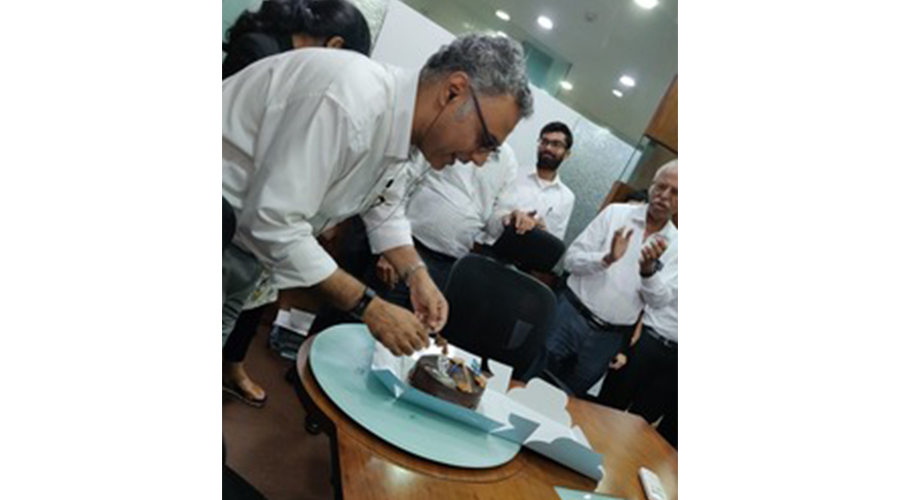
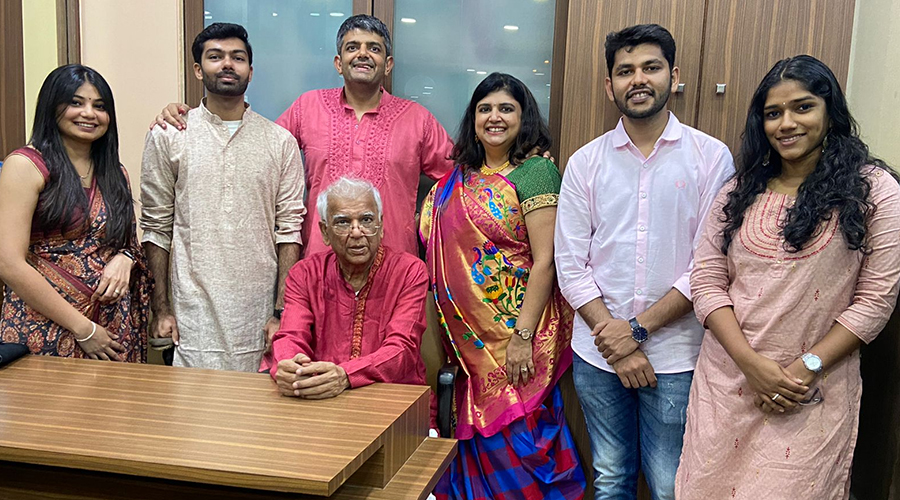
LIFE AT MHCO













PRACTICE AREA
Private Limited Company Registration in India
Setting up a Company in India
Foreign Direct Investment (FDI) in India
Foreign Business Registration in India
Small Business Registration in India
GET IN TOUCH
Mumbai: Surya Mahal, 2nd Floor 5, Burjorji Bharcha Marg Fort, Mumbai-400 023 India
Contact No.: T: +91-22-40565252
E: contact@mhcolaw.com
Delhi: C-9, Lower Ground Floor Jangpura Extension, New Delhi-110 0014 India
Contact No.: T: +91-11-40196496
E: contact@mhcolaw.com
Contact No.: T: +91-22-40565252
E: contact@mhcolaw.com
Delhi: C-9, Lower Ground Floor Jangpura Extension, New Delhi-110 0014 India
Contact No.: T: +91-11-40196496
E: contact@mhcolaw.com
2025 - MANSUKHLAL HIRALAL & CO.
Need Help? Chat with us