








MSI Is A Global Association Of Over 250 Independent Legal And Accounting Firms In More Than 100 Countries. MSI Has A Successful Track Record Of More Than 25 Years And The Firm Has Recently Been Selected To Represent Mumbai, India.
Please Click Here To See MSI’s Info Graphic Which Highlights Key Facts Of The About. With The Membership At MSI, The Firm Has Now Access To 253 Legal And Accounting Firms Worldwide For Its Clients Who Desire To Do Cross Border Transactions Across The World.

Registering a Limited Liability Company (LLC) in India offers entrepreneurs a corporate structure that combines limited liability protection with operational flexibility. An LLC allows business owners to separate personal assets from business liabilities while enjoying a legally recognised framework suitable for both startups and established businesses.
With the growing demand for formal business entities in India, limited liability company registration has become a preferred option for professionals and entrepreneurs who want to operate with credibility, regulatory compliance, and reduced personal risk. This structure supports long-term growth and ensures smoother business operations in a competitive market.
Understanding Limited Liability Company Registration in India
A Limited Liability Company (LLC) is a corporate entity that provides owners with protection from personal liability while offering the flexibility to manage the company’s operations effectively. Unlike partnerships or sole proprietorships, an LLC has a separate legal identity, enabling it to enter contracts, own property, and sue or be sued in its own name.
The limited liability partnership registration in India is conceptually similar in providing liability protection, but LLCs are often preferred by entrepreneurs seeking a more structured corporate framework. Businesses aiming to register LLC in India can benefit from easier access to funding, professional credibility, and a transparent governance structure.
Advantages of LLC Company Registration
Registering an LLC provides business owners with limited liability protection, ensuring personal assets are safeguarded from company debts. It offers a separate legal identity, operational flexibility, and enhanced credibility with clients, investors, and banks, making it an ideal structure for startups and growing businesses in India.
- Limited Liability Protection: Owners are only liable up to their capital contribution, protecting personal assets.
- Separate Legal Identity: LLCs can operate independently of their members, own property, and engage in legal agreements.
- Flexibility in Management: LLCs allow flexible ownership and management structures tailored to business needs.
- Tax Efficiency: Certain tax benefits may be available compared to other business forms.
- Credibility and Trust: Registered LLCs enhance credibility with investors, banks, and clients.
Step-by-Step LLC Registration Process in India
The LLC registration process involves obtaining a Digital Signature Certificate (DSC) and Director Identification Number (DIN), followed by name approval, filing incorporation documents with the MCA, and receiving the Certificate of Incorporation from the Registrar of Companies, officially establishing the LLC.
Step 1: Digital Signature Certificate (DSC)
All directors and authorised signatories must obtain a DSC to sign electronic documents.
Step 2: Director Identification Number (DIN)
Applicants must acquire a DIN, a unique number assigned to all company directors in India.
Step 3: Name Approval
Submit proposed LLC names to the Ministry of Corporate Affairs (MCA) for approval. The name should comply with MCA naming guidelines.
Step 4: Filing Incorporation Documents
Submit the Memorandum of Association (MOA), Articles of Association (AOA), and other statutory documents to the MCA portal.
Step 5: Certificate of Incorporation
Once approved, the Registrar of Companies (RoC) issues the Certificate of Incorporation, marking the official formation of the LLC.
Essential Documents for LLC Registration
- Identity and address proof of all directors (PAN, Aadhaar, Passport, or Voter ID)
- Proof of registered office address (utility bill, lease agreement, or ownership documents)
- Digital Signature Certificates (DSC)
- Director Identification Number (DIN)
- Memorandum of Association (MOA) and Articles of Association (AOA)
Cost, Timeframe, and Government Charges
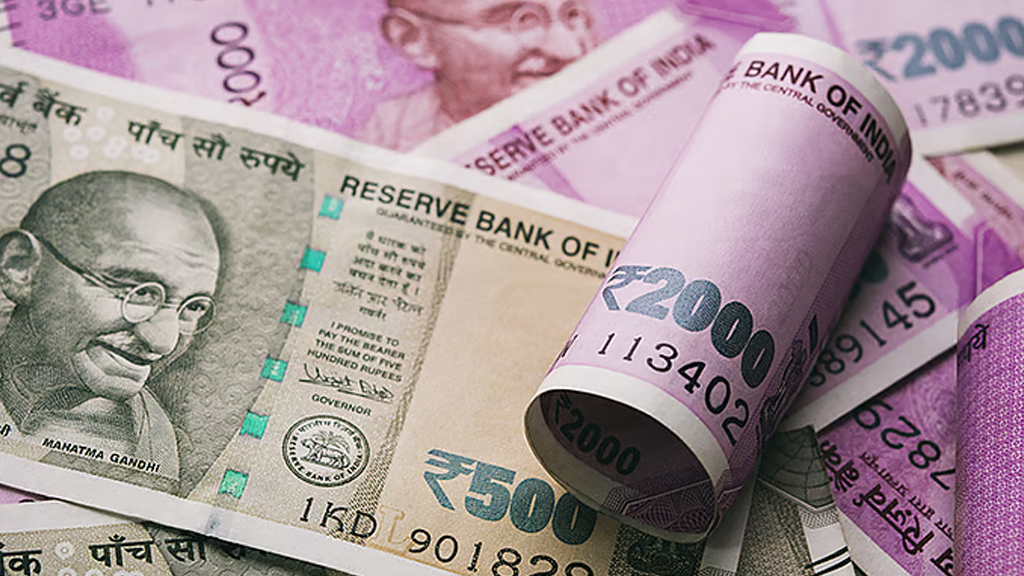
The LLC registration cost in India varies depending on authorised capital and professional fees. Government fees range from ₹500 to ₹5,000, with additional costs for DSC (₹800–₹1,500 per director) and professional fees (₹3,000–₹8,000).
The complete process typically takes 7–15 working days, depending on document verification and RoC approval timelines. LLC company registration in India offers a cost-effective and legally secure route for entrepreneurs to formalise their business operations.
Compliance After LLC Registration
- Annual Filings: Submit annual returns and financial statements to the RoC.
- Accounting Records: Maintain proper books of accounts and statutory registers.
- Tax Compliance: File income tax returns and GST filings if applicable.
- Board Resolutions and Governance: Ensure statutory meetings and resolutions are documented.
Adhering to these compliances ensures smooth business operations and avoids legal penalties.
MHCO – Legal Experts Guiding LLC Registration in India
MHCO is a leading law firm in India with extensive experience in LLC company registration in India and corporate legal advisory. Their team assists clients with register LLC in India, document preparation, legal drafting, and submissions to the RoC, ensuring the registration process is efficient and fully compliant with Indian corporate law. MHCO also provides guidance for setting up a company in India, helping entrepreneurs navigate regulatory requirements and establish a legally recognised business entity.
Frequently Asked Questions (FAQs)
Q1. Is a Limited Liability Company (LLC) recognised as a legal business structure in India?
No. India does not have a separate legal entity known as a Limited Liability Company (LLC). Entrepreneurs searching for an LLC in India generally consider a Private Limited Company or a Limited Liability Partnership (LLP). The appropriate structure depends on the business model, ownership, regulatory requirements, and long-term objectives.
Q2. What business structure is the closest equivalent to an LLC in India?
A Private Limited Company or a Limited Liability Partnership (LLP) is generally considered the closest equivalent to an LLC in India. Both offer limited liability, but they differ in ownership, governance, compliance obligations, and investment flexibility. The appropriate choice depends on the business's operational and commercial requirements.
Q3. Can a foreign investor register an LLC in India?
No. Since India does not recognise an LLC as a separate legal entity, foreign investors typically establish a Private Limited Company, LLP, or another permitted business presence, subject to applicable corporate and foreign investment laws. The available options depend on the sector, investment structure, and regulatory framework.
Q4. What documents are generally required to establish an LLC-equivalent business in India?
The required documents depend on the chosen business structure. They generally include identity and address proof of the proposed owners or directors, registered office details, incorporation documents, and statutory declarations. Additional documentation may be required depending on the ownership structure, regulatory requirements, and applicable laws.
Q5. How do I choose between an LLP and a Private Limited Company?
The choice depends on factors such as ownership structure, funding plans, management preferences, compliance obligations, liability protection, and future expansion goals. Businesses seeking external investment often evaluate different considerations from closely held businesses. A careful legal assessment helps determine the most suitable business structure.
Q6. Can an LLC-equivalent business own property and enter into contracts in India?
Yes. Both Private Limited Companies and LLPs are separate legal entities capable of owning property, entering into contracts, opening bank accounts, and conducting business in their own names. Their legal rights and obligations are governed by the applicable corporate laws and the relevant incorporation documents.
Q7. What are the ongoing compliance requirements after registration?
The compliance requirements depend on whether the business is registered as a Private Limited Company or an LLP. These generally include maintaining statutory records, filing prescribed returns, preparing financial statements, and complying with applicable tax and regulatory obligations. The exact requirements vary according to the chosen legal structure.
Q8. What are the common mistakes people make when registering an LLC-equivalent business?
Common mistakes include selecting an unsuitable legal structure, preparing incomplete incorporation documents, overlooking post-registration compliance obligations, choosing an unavailable business name, and failing to understand regulatory requirements. Careful planning before incorporation helps reduce delays and supports smoother long-term business operations.
Q9. How long does it take to register an LLC-equivalent business in India?
The registration timeline depends on the selected business structure, document readiness, regulatory review, name approval, and statutory processing requirements. Applications requiring additional information or clarification may take longer. Since every incorporation differs, the overall timeframe varies according to the specific circumstances and applicable procedures.
Q10. Can an LLC-equivalent business be converted into another business structure later?
Yes. Subject to applicable laws, businesses may convert from one recognised legal structure to another where permitted. The conversion process depends on the existing structure, the proposed entity, regulatory approvals, and statutory procedures. Businesses often evaluate conversion as ownership, investment needs, or operational requirements evolve.
Q11. Is limited liability automatically available to every business owner in India?
No. Limited liability depends on the legal structure chosen. Business owners operating through recognised entities such as Private Limited Companies or LLPs may benefit from limited liability, whereas sole proprietorships and traditional partnerships generally have different liability implications. The legal position depends on the applicable business structure.
Q12. Why should entrepreneurs seek legal guidance before registering an LLC-equivalent business?
Legal guidance helps entrepreneurs identify the most appropriate business structure, prepare compliant incorporation documents, understand regulatory obligations, and evaluate future governance and compliance requirements. Early legal planning supports informed decision-making and reduces incorporation risks. The required legal approach depends on the business's objectives and regulatory environment.
OUR CLIENTS






MEDIA COVERAGES
AWARDS & RECOGNITION









AFFILIATIONS & ASSOCIATIONS

MEMBERS OF MSI GLOBAL ALLIANCE

MEMBERS OF ILF
International Law Firms (ILF) Is An International Association Of Independent Smaller And Mid-Sized Law Firms Serving Their Clients’ Needs In Cross Border Business Legal Issues. Our Association With ILF Enables Us To Effectively Assist Clients With Trans-National Legal Issues At Effective Prices.
LIFE AT MHCO











PRACTICE AREA
Private Limited Company Registration in India
Setting up a Company in India
Foreign Direct Investment (FDI) in India
Foreign Business Registration in India
Small Business Registration in India
GET IN TOUCH
Mumbai: Surya Mahal, 2nd Floor 5, Burjorji Bharcha Marg Fort, Mumbai-400 023 India
Contact No.: T: +91-22-40565252
E: contact@mhcolaw.com
Delhi: C-9, Lower Ground Floor Jangpura Extension, New Delhi-110 0014 India
Contact No.: T: +91-11-40196496
E: contact@mhcolaw.com
Contact No.: T: +91-22-40565252
E: contact@mhcolaw.com
Delhi: C-9, Lower Ground Floor Jangpura Extension, New Delhi-110 0014 India
Contact No.: T: +91-11-40196496
E: contact@mhcolaw.com
2025 - MANSUKHLAL HIRALAL & CO.
Need Help? Chat with us