








MSI Is A Global Association Of Over 250 Independent Legal And Accounting Firms In More Than 100 Countries. MSI Has A Successful Track Record Of More Than 25 Years And The Firm Has Recently Been Selected To Represent Mumbai, India.
Please Click Here To See MSI’s Info Graphic Which Highlights Key Facts Of The About. With The Membership At MSI, The Firm Has Now Access To 253 Legal And Accounting Firms Worldwide For Its Clients Who Desire To Do Cross Border Transactions Across The World.

REGULATORY UPDATE | LEGAL METROLOGY (PACKAGED COMMODITIES)
AMENDMENT RULES, 2026

REGULATORY UPDATE | LEGAL METROLOGY (PACKAGED COMMODITIES) AMENDMENT RULES, 2026
Contributors:
By Ms. Shreya Dalal, Associate Partner
Ms. Ananya Sakpal, Associate
India’s e-commerce compliance framework has undergone a material shift with the notification of G.S.R. 128(E) dated 13 February 2026, published in the Gazette of India. By this notification, the Central Government has amended the Legal Metrology (Packaged Commodities) Rules, 2011 by inserting a new Rule 6(10A). The amendment introduces a platform-level obligation for e-commerce entities selling imported products, requiring that such products be made discoverable through searchable and sortable filters specifying the Country of Origin. The amendment comes into force on 1 July 2026, providing a defined compliance runway for affected entities. This change marks a clear regulatory evolution from static disclosure to digitally functional transparency.
1. Statutory Amendment
1.1. A new sub-rule 6(10A) has been inserted after Rule 6(10), which provides as follows:
“Every e-commerce entity selling imported products shall provide the product listings of such imported products in a searchable and sortable filter specifying the country of origin.”
1.2. Unlike earlier disclosure-based requirements under Rule 6, this provision expressly mandates functional visibility of country-of-origin information within the search and listing architecture of digital platforms
2. Effective Date
The amendment comes into force on 1 July 2026. This deferred commencement creates a limited but critical compliance window for Backend data restructuring, Front-end UI/UX modifications, and Seller onboarding framework updates. Given the scale of changes required, early action will be essential.
3. What Has Changed & Who is impacted?
3.1. From Disclosure to Discoverability
Prior to this amendment, country of origin disclosures was typically satisfied through:
- Product description fields,
- Specification tabs, or
- Static label information.
The new Rule 6(10A) moves beyond this model.
3.2. E-commerce entities must now ensure that:
- Country of Origin is structured as a data attribute, and
- Consumers can actively search and sort products based on origin.
3.3. In simple terms, mere disclosure is no longer sufficient. The information must be:
- Algorithmically discoverable, and
- User-controlled.
3.4. The compliance net cast by Rule 6(10A) is deliberately wide. Impacted stakeholders include E-commerce marketplaces, Inventory-based online retailers, Direct-to-Consumer (D2C) brands importing finished goods, Importers listing products on digital platforms, Cross-border sellers operating in the Indian market, Platform operators responsible for search and listing architecture. Importantly, this is not merely a seller-side obligation. The rule squarely places responsibility on e-commerce entities, making this a platform design and systems compliance requirement.
4. Key Compliance Requirements
4.1. Under Rule 6(10A), e-commerce entities selling imported products must enable:
- A Searchable Filter: Consumers must be able to search listings by country of origin (e.g., filtering products originating from a specific country).
- A Sortable Filter: Consumers must be able to sort products based on country of origin as a parameter.
4.2. Both functionalities must apply specifically to imported products, requiring platforms to clearly distinguish between:
- Imported SKUs, and
- Domestically manufactured SKUs.
5. Strategic Regulatory Significance
5.1. Transparency as Infrastructure
- The amendment embeds transparency directly into the technical infrastructure of e-commerce platforms. Country of Origin can no longer be relegated to fine print; it must be a core, query able attribute within the platform’s search ecosystem.
5.2. Consumer Empowerment
By enabling consumers to filter and sort products based on origin, the rule strengthens:
- Informed purchasing decisions, and
- Consumer autonomy in navigating imported versus domestic goods.
This aligns with broader consumer-protection objectives, particularly in the context of informed choice and market transparency.
5.3. Compliance Traceability
The amendment enables regulators to assess compliance by:
- Auditing platform functionality, rather than
- Merely inspecting product labels or individual listings.
Non-compliance will therefore be visible at the systems level, significantly lowering enforcement friction.
6. Enforcement Exposure
Failure to comply with Rule 6(10A) may attract may attract regulatory scrutiny under the Legal Metrology framework. Given the nature of the obligation, enforcement is likely to focus on:
- Platform-level functionality gaps, and
- Systemic non-availability of mandated filters.
As the rule is objectively verifiable through platform testing, enforcement risk is expected to be high-visibility and low-defence.
MHCO Comment:
The insertion of Rule 6(10A) represents a decisive regulatory shift from label-based compliance to architecture-based compliance in India’s e-commerce ecosystem. E-commerce entities should treat this amendment not as a routine disclosure update, but as a structural compliance mandate requiring early technical and governance alignment. With the clock running toward 1 July 2026, proactive remediation will be key to avoiding last-minute disruption and regulatory exposure.
This update was released on 20 Feb 2026.
The views expressed in this update are personal and should not be construed as any legal advice. Please contact us directly on +91 22 40565252 or contact@mhcolaw.com for any assistance.
Legal Update Team
MANSUKHLAL HIRALAL & COMPANY
Advocates, Solicitors and Notaries
T: +91 22 40565252
Mumbai Office: Surya Mahal, 2nd Floor, 5, Burjorji Bharucha Marg, Fort, Mumbai-400 023, India
Delhi Office: Block C-9, Lower Ground Floor, Jangpura Extension, New Delhi - 110 014, India
www.mhcolaw.com
"Noted lawyer in the Real Estate practitioner from India" - Chambers & Partners
Please consider the environment before printing this email
The information contained in this communication is intended solely for the use of the individual or entity to whom it is addressed and others authorized to receive it. This communication may contain confidential or legally privileged information. If you are not the intended recipient, any disclosure, copying, distribution or action taken relying on the contents is prohibited and may be unlawful. If you have received this communication in error, or if you or your employer does not consent to email messages of this kind, please notify the sender immediately by responding to this email and then delete it from your system. No liability is accepted for any harm that may be caused to your systems or data by this message.
Subscribe to our Knowledge Repository
If you would like to receive content directly in your inbox from our knowledge repository, please complete this subscription form.
OUR CLIENTS







MEDIA COVERAGES
AWARDS & RECOGNITION







AFFILIATIONS & ASSOCIATIONS

MEMBERS OF MSI GLOBAL ALLIANCE

MEMBERS OF ILF
International Law Firms (ILF) Is An International Association Of Independent Smaller And Mid-Sized Law Firms Serving Their Clients’ Needs In Cross Border Business Legal Issues. Our Association With ILF Enables Us To Effectively Assist Clients With Trans-National Legal Issues At Effective Prices.
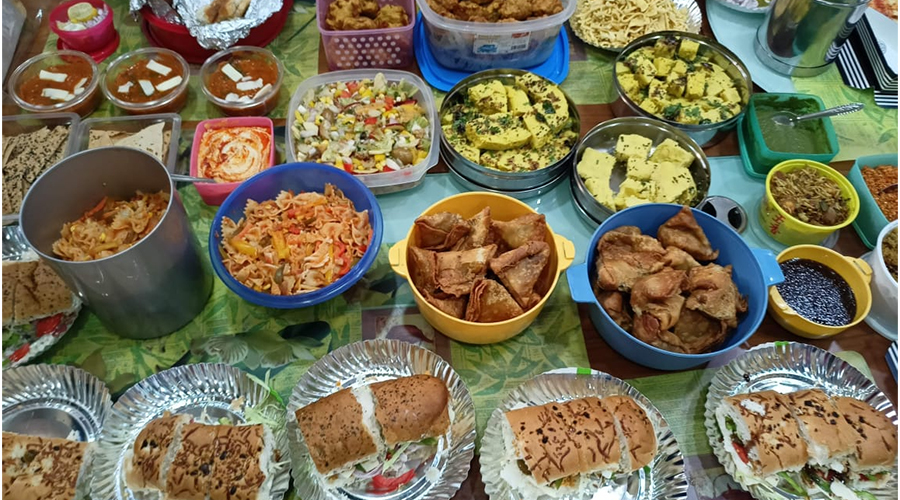
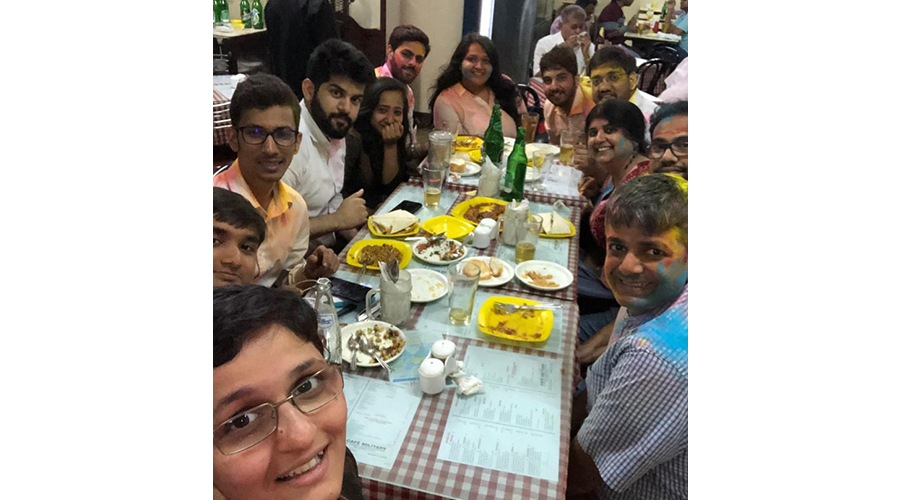
LIFE AT MHCO










PRACTICE AREA
Private Limited Company Registration in India
Setting up a Company in India
Foreign Direct Investment (FDI) in India
Foreign Business Registration in India
Small Business Registration in India
GET IN TOUCH
Mumbai: Surya Mahal, 2nd Floor 5, Burjorji Bharcha Marg Fort, Mumbai-400 023 India
Contact No.: T: +91-22-40565252
E: contact@mhcolaw.com
Delhi: C-9, Lower Ground Floor Jangpura Extension, New Delhi-110 0014 India
Contact No.: T: +91-11-40196496
E: contact@mhcolaw.com
Contact No.: T: +91-22-40565252
E: contact@mhcolaw.com
Delhi: C-9, Lower Ground Floor Jangpura Extension, New Delhi-110 0014 India
Contact No.: T: +91-11-40196496
E: contact@mhcolaw.com
2025 - MANSUKHLAL HIRALAL & CO.
Need Help? Chat with us