









MSI Is A Global Association Of Over 250 Independent Legal And Accounting Firms In More Than 100 Countries. MSI Has A Successful Track Record Of More Than 25 Years And The Firm Has Recently Been Selected To Represent Mumbai, India.
Please Click Here To See MSI’s Info Graphic Which Highlights Key Facts Of The About. With The Membership At MSI, The Firm Has Now Access To 253 Legal And Accounting Firms Worldwide For Its Clients Who Desire To Do Cross Border Transactions Across The World.

A Legal Guide to Commercial Leasing in Mumbai: Negotiation, Documentation and Risk Management
Commercial real estate transactions in Mumbai involve significant financial commitments and long-term business implications. Commercial Leasing in Mumbai requires careful negotiation, precise documentation and strategic risk management to protect both landlords and corporate tenants. Unlike residential arrangements, commercial leases involve complex clauses on tenure, escalation, fit out obligations, regulatory approvals and dispute resolution.
This guide explains the legal framework governing commercial leasing in Mumbai, key negotiation points, documentation requirements and practical risk management strategies for businesses and property owners.
Legal Framework Governing Commercial Leases
Commercial leases in Mumbai are primarily governed by the Transfer of Property Act, the Registration Act and the Maharashtra Stamp Act. These laws regulate creation of leasehold interest, stamp duty payment and registration requirements.
In certain cases, municipal regulations and zoning laws also apply, especially where premises are used for specific commercial activities. Companies must ensure use of property aligns with development control regulations. Registration of commercial lease agreements exceeding the statutory duration is mandatory for enforceability.
Commercial Leasing in Mumbai and Core Legal Principles
Commercial Leasing in Mumbai creates a legally enforceable interest in property. A lease grants exclusive possession for a specified term in exchange for rent or consideration. The lease document defines rights and obligations of both parties. It governs rent structure, lock in period, renewal rights, maintenance charges and termination clauses.
Unlike leave and licence, a commercial lease generally grants stronger possession rights to the tenant. This distinction has implications for eviction and dispute resolution. Clarity in drafting is essential to prevent future litigation.
Negotiation of Key Commercial Terms
Negotiation is the foundation of any successful commercial lease. Landlords seek long term stability and predictable rental income. Tenants focus on flexibility, business continuity and cost control. Critical negotiation areas include rent escalation formula, security deposit quantum, fit out period, grace period before rent commencement and termination rights. A well negotiated lease balances commercial expectations with legal certainty. Ambiguity during negotiation often leads to disputes later.
Lock In Period and Exit Clauses
Lock in period clauses are common in commercial leases. They restrict termination for a specified duration and ensure stability for both parties. Exit clauses must define notice period, penalty consequences and refund of deposit clearly. Failure to draft precise exit provisions creates financial exposure. Businesses planning expansion or restructuring should negotiate exit flexibility carefully.
Stamp Duty and Registration Requirements
Stamp duty on commercial leases in Maharashtra is calculated based on rent, deposit and tenure. Underpayment attracts penalties and affects enforceability. Registration is mandatory for leases exceeding prescribed duration. Unregistered leases have limited evidentiary value in court. Timely stamping and registration protect contractual rights.
Due Diligence Before Executing Lease
Corporate tenants must conduct property due diligence before signing. Verification includes title check, encumbrance review, zoning compliance and municipal approvals. Leasing property without proper permissions may expose the tenant to regulatory action. Many businesses consult best property lawyers in Mumbai, India to conduct due diligence and review lease terms before execution. Early legal review reduces long term operational risk.
Fit Out and Alteration Rights
Commercial tenants often require interior modifications to suit operational needs. Lease agreements must clearly specify responsibility for approvals, restoration obligations and structural restrictions. Failure to define fit out responsibilities may result in dispute at lease expiry. Clear drafting protects both landlord’s property rights and tenant’s operational flexibility.
Maintenance, CAM Charges and Utilities
Commercial leases typically include common area maintenance charges and utility responsibilities. These must be transparent and proportionately allocated. Ambiguous maintenance clauses often cause disagreement between parties. Precise financial provisions prevent disputes and facilitate budgeting.
Risk Allocation and Indemnity Clauses
Risk allocation clauses address damage, insurance, third party claims and compliance obligations. Tenants usually bear operational risk while landlords retain structural responsibility. Indemnity clauses should be balanced and proportionate. Excessive indemnity exposure can create unforeseen liability. Professional drafting ensures fairness and enforceability.
Dispute Resolution Mechanisms
Commercial leases frequently include arbitration clauses to manage disputes efficiently. Arbitration provides confidentiality and faster resolution compared to court litigation. Jurisdiction and governing law clauses must be consistent with local laws. Businesses may engage corporate lawyers in Mumbai, India to structure dispute resolution clauses aligned with commercial strategy. Strategic dispute planning reduces uncertainty.
Termination and Possession Recovery
Termination rights must clearly define default events, notice procedure and remedy periods. Ambiguous termination clauses often lead to litigation. On lease expiry, possession handover terms should be clearly recorded, including restoration and refund of deposit. Clear end of term provisions ensures smooth exit.
Taxation and Financial Implications
Commercial leasing may attract goods and services tax depending on nature of transaction. Corporate tenants must assess input tax credit eligibility. Long term leases may also affect accounting treatment under corporate financial reporting standards. Integrated legal and financial review prevents compliance gaps.
Regulatory Compliance for Business Operations
Certain commercial activities require trade licences or municipal approvals. Tenants must ensure premises meet statutory standards before commencing operations. Non-compliance may lead to closure notices or penalties. Regulatory review should be part of pre leases due diligence.
Common Mistakes in Commercial Leasing
One common mistake is relying on standard template agreements without customisation. Each commercial lease requires tailoring to business objectives. Another frequent issue is ignoring renewal clauses or escalation formulas during negotiation. Insufficient legal review often results in costly disputes. Attention to detail safeguards commercial interests.
Conclusion
Commercial Leasing in Mumbai demands careful legal planning and informed negotiation. The financial stakes are high and documentation must reflect commercial realities and regulatory compliance. Landlords seek stability while tenants require operational flexibility. Balanced lease drafting protects both interests and reduces risk. In Mumbai’s competitive commercial property market, structured negotiation, precise documentation and proactive risk management remain the pillars of successful commercial leasing arrangements.
Frequently Asked Questions (FAQs)
Q1. What is the typical tenure of commercial leases in Mumbai?
Tenure varies but commonly ranges from three to nine years depending on negotiation.
Q2. Is registration mandatory for commercial lease agreements?
Yes, registration is required for leases exceeding statutory duration.
Q3. Can a tenant terminate during lock in period?
Termination during lock in may attract penalties unless contract permits otherwise.
Q4. Who pays stamp duty in commercial leasing?
Stamp duty liability is usually shared or negotiated between parties.
Q5. Is arbitration common in commercial lease disputes?
Yes, arbitration clauses are commonly included to manage disputes efficiently.
The information contained in this communication is intended solely for the use of the individual or entity to whom it is addressed and others authorized to receive it. This communication may contain confidential or legally privileged information. If you are not the intended recipient, any disclosure, copying, distribution or action taken relying on the contents is prohibited and may be unlawful. If you have received this communication in error, or if you or your employer does not consent to email messages of this kind, please notify the sender immediately by responding to this email and then delete it from your system. No liability is accepted for any harm that may be caused to your systems or data by this message.
OUR CLIENTS







MEDIA COVERAGES
AWARDS & RECOGNITION









AFFILIATIONS & ASSOCIATIONS

MEMBERS OF MSI GLOBAL ALLIANCE

MEMBERS OF ILF
International Law Firms (ILF) Is An International Association Of Independent Smaller And Mid-Sized Law Firms Serving Their Clients’ Needs In Cross Border Business Legal Issues. Our Association With ILF Enables Us To Effectively Assist Clients With Trans-National Legal Issues At Effective Prices.
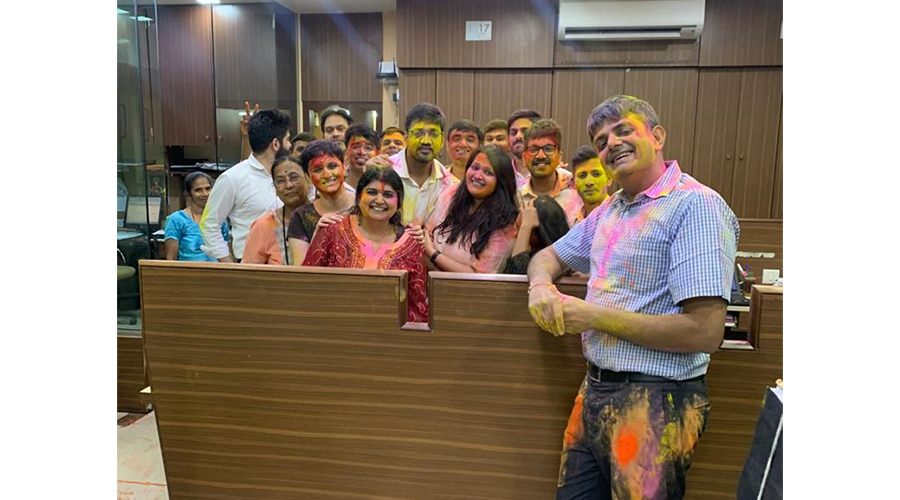
LIFE AT MHCO














PRACTICE AREA
Private Limited Company Registration in India
Setting up a Company in India
Foreign Direct Investment (FDI) in India
Foreign Business Registration in India
Small Business Registration in India
GET IN TOUCH
Mumbai: Surya Mahal, 2nd Floor 5, Burjorji Bharcha Marg Fort, Mumbai-400 023 India
Contact No.: T: +91-22-40565252
E: contact@mhcolaw.com
Delhi: C-9, Lower Ground Floor Jangpura Extension, New Delhi-110 0014 India
Contact No.: T: +91-11-40196496
E: contact@mhcolaw.com
Contact No.: T: +91-22-40565252
E: contact@mhcolaw.com
Delhi: C-9, Lower Ground Floor Jangpura Extension, New Delhi-110 0014 India
Contact No.: T: +91-11-40196496
E: contact@mhcolaw.com
2025 - MANSUKHLAL HIRALAL & CO.
Need Help? Chat with us