









MSI Is A Global Association Of Over 250 Independent Legal And Accounting Firms In More Than 100 Countries. MSI Has A Successful Track Record Of More Than 25 Years And The Firm Has Recently Been Selected To Represent Mumbai, India.
Please Click Here To See MSI’s Info Graphic Which Highlights Key Facts Of The About. With The Membership At MSI, The Firm Has Now Access To 253 Legal And Accounting Firms Worldwide For Its Clients Who Desire To Do Cross Border Transactions Across The World.

Lease vs. Leave & Licence in Mumbai: Key Legal Differences and Best Practices
Understanding the distinction between lease and leave and licence arrangements is essential for property owners and occupants in Mumbai. The legal structure chosen affects possession rights, eviction procedures, taxation and long-term control over property. The debate around Lease vs Leave and Licence in Mumbai continues to create confusion among landlords and tenants who assume both arrangements function in the same manner. In reality, they are governed by different legal principles and carry distinct legal consequences.
This guide explains the legal differences between lease and leaves and licence in Mumbai, statutory framework, enforceability, taxation, eviction process and practical best practices for both landlords and occupants.
Legal Framework Governing Lease and Leave and Licence
A lease is governed primarily by the Transfer of Property Act. It creates an interest in the property and grants exclusive possession to the lessee for a defined period in exchange for rent. A leave and licence agreement is governed by the Indian Easements Act and local tenancy regulations. It grants permission to occupy premises without creating an interest in the property.
In Maharashtra, leave and licence agreements must be registered when exceeding the statutory duration. Registration ensures enforceability and compliance with state laws. The distinction lies in whether an interest in property is transferred or mere permission is granted.
Lease vs Leave and Licence in Mumbai Explained
Lease vs Leave and Licence in Mumbai is not merely a terminological difference. It determines the legal rights of the occupant and the remedies available to the owner. A lease grants exclusive possession and creates a transferable interest. The lessee may have stronger protection against eviction.
A leave and licence arrangement grants only a personal right to use premises. The licensor retains control and can recover possession more easily upon expiry. Courts examine the substance of the agreement rather than its title.
Exclusive Possession and Legal Interest
The core test in distinguishing lease from licence is exclusive possession. If the occupant has full control and possession for a defined period, the arrangement may be considered a lease. If the owner retains significant control and grants only permission to use the premises, it is treated as licence. The nature of possession directly impacts eviction rights and dispute resolution. Clarity in drafting is critical.
Duration and Termination Rights
Lease agreements often span longer durations and may include renewal clauses. Termination usually requires notice as per contract terms or statutory requirements. Leave and licence agreements in Mumbai are commonly executed for eleven months. This structure avoids certain tenancy protections and simplifies renewal. Termination of licence is generally easier once the agreed term expires. Owners must evaluate their long-term objectives before selecting structure.
Registration and Stamp Duty Implications
Both lease and leave and licence agreements require proper stamping and registration when exceeding prescribed duration. Stamp duty rates differ based on agreement type and tenure. Incorrect payment may attract penalties and affect enforceability. Registration ensures documentary validity and prevents future disputes. Failure to register may limit evidentiary value.
Eviction and Dispute Resolution
Eviction procedures vary significantly between lease and leave and licence. Under lease arrangements, eviction may require civil litigation, especially where tenant protection laws apply. Under leave and licence, recovery of possession can be comparatively faster, subject to statutory compliance. Many landlords prefer leave and licence due to simplified possession recovery. In complex disputes involving possession rights, parties often consult trusted real estate lawyers in Mumbai, India to assess legal remedies and procedural strategy.
Tax and Financial Considerations
Rental income from lease and licence is generally taxed similarly under income tax law. However, commercial leasing may involve goods and services tax implications depending on usage. Long term leases may also impact capital gains computation if structured improperly. Legal and tax review before execution prevents unintended liabilities.
Commercial Property and Corporate Considerations
Commercial premises frequently involve lease structures due to longer operational needs. Corporations prefer leases for stability and security of tenure. Corporate due diligence examines termination clauses, lock in periods and escalation provisions carefully. Companies often seek advice from top corporate lawyers in Mumbai, India to ensure lease documentation aligns with business objectives and compliance standards. Commercial disputes can carry significant financial exposure.
Practical Best Practices for Landlords
Landlords should define objectives clearly before choosing between lease and leave and licence. If flexibility and ease of eviction are priorities, licence arrangements may be suitable. All agreements must clearly specify duration, rent, deposit, termination terms and dispute resolution mechanism. Regular documentation updates reduce ambiguity. Proper registration is essential.
Practical Best Practices for Tenants and Licensees
Occupants must review agreement terms carefully. Lease offers stronger possessory rights, whereas licence provides limited security. Tenants should ensure clauses regarding maintenance, rent escalation and early termination are clearly drafted. Understanding the difference protects long term occupancy rights. Professional review prevents avoidable disputes.
Common Mistakes in Drafting Agreements
One frequent error is labelling a document as licence while granting exclusive possession. Courts may interpret such arrangement as lease based on substance. Another common mistake is failing to register agreements exceeding statutory limits. Ambiguous termination clauses often lead to litigation. Precision in drafting is critical.
Judicial Interpretation in Mumbai
Courts in Mumbai consistently apply the test of intention and possession to distinguish lease from licence. Even if titled licence, agreements conferring exclusive control may be treated as lease. This interpretation reinforces the importance of careful drafting and alignment with legal objectives. Substance prevails over terminology.
Conclusion
Lease vs Leave and Licence in Mumbai is a fundamental legal distinction affecting possession, control and dispute resolution. While both structures are legally valid, the choice must align with long term objectives, risk appetite and operational needs. Landlords seeking flexibility often prefer leave and licence. Tenants requiring security may prefer lease. Proper documentation, registration and legal review ensure clarity and enforceability. In Mumbai’s dynamic property market, informed decision making and structured agreements remain the foundation of secure and dispute free property arrangements.
Frequently Asked Questions (FAQs)
Q1. What is the main difference between lease and leave and licence in Mumbai?
A lease creates an interest in property while licence grants permission without transferring ownership interest.
Q2. Is leave and licence safer for landlords?
It often provides easier termination rights compared to lease, subject to proper drafting.
Q3. Does registration apply to both agreements?
Yes. Registration is required when duration exceeds statutory threshold.
Q4. Can a licence become a lease legally?
Yes. Courts may interpret licence as lease if exclusive possession is granted.
Q5. Which is better for commercial property?
Commercial properties commonly use leases due to long term operational requirements.
The information contained in this communication is intended solely for the use of the individual or entity to whom it is addressed and others authorized to receive it. This communication may contain confidential or legally privileged information. If you are not the intended recipient, any disclosure, copying, distribution or action taken relying on the contents is prohibited and may be unlawful. If you have received this communication in error, or if you or your employer does not consent to email messages of this kind, please notify the sender immediately by responding to this email and then delete it from your system. No liability is accepted for any harm that may be caused to your systems or data by this message.
OUR CLIENTS







MEDIA COVERAGES
AWARDS & RECOGNITION









AFFILIATIONS & ASSOCIATIONS

MEMBERS OF MSI GLOBAL ALLIANCE

MEMBERS OF ILF
International Law Firms (ILF) Is An International Association Of Independent Smaller And Mid-Sized Law Firms Serving Their Clients’ Needs In Cross Border Business Legal Issues. Our Association With ILF Enables Us To Effectively Assist Clients With Trans-National Legal Issues At Effective Prices.
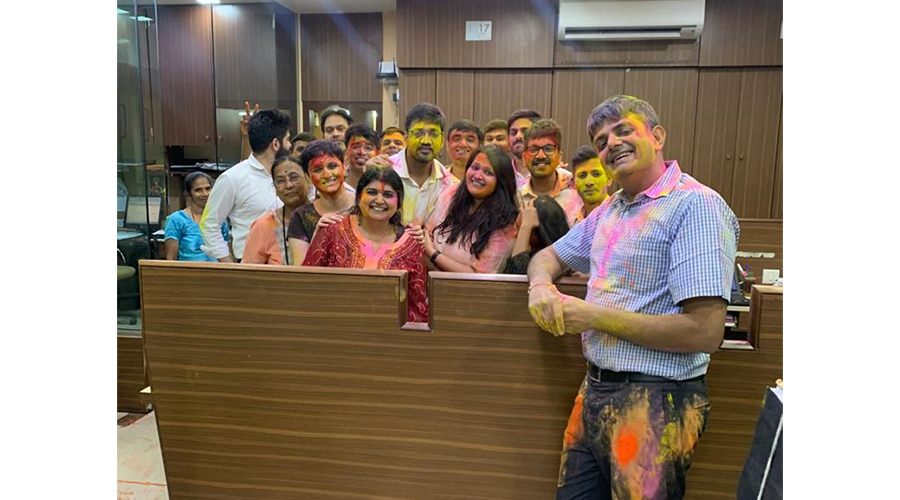
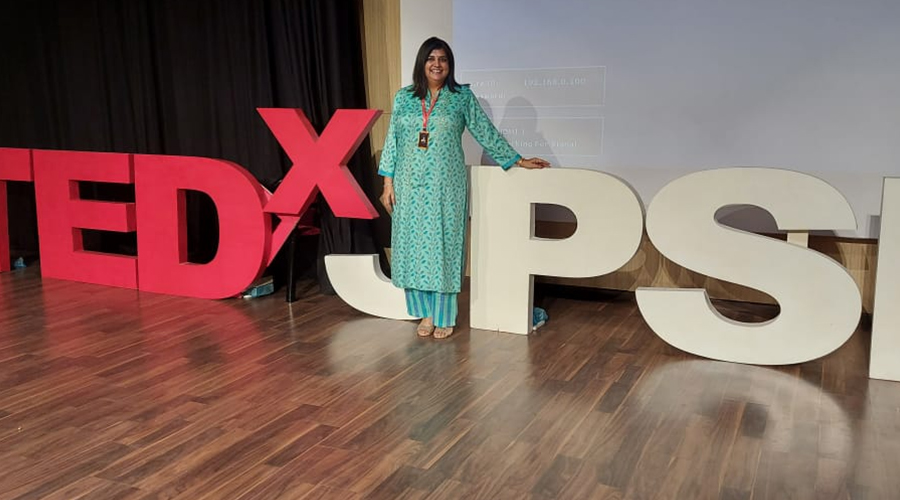
LIFE AT MHCO












PRACTICE AREA
Private Limited Company Registration in India
Setting up a Company in India
Foreign Direct Investment (FDI) in India
Foreign Business Registration in India
Small Business Registration in India
GET IN TOUCH
Mumbai: Surya Mahal, 2nd Floor 5, Burjorji Bharcha Marg Fort, Mumbai-400 023 India
Contact No.: T: +91-22-40565252
E: contact@mhcolaw.com
Delhi: C-9, Lower Ground Floor Jangpura Extension, New Delhi-110 0014 India
Contact No.: T: +91-11-40196496
E: contact@mhcolaw.com
Contact No.: T: +91-22-40565252
E: contact@mhcolaw.com
Delhi: C-9, Lower Ground Floor Jangpura Extension, New Delhi-110 0014 India
Contact No.: T: +91-11-40196496
E: contact@mhcolaw.com
2025 - MANSUKHLAL HIRALAL & CO.
Need Help? Chat with us