








MSI Is A Global Association Of Over 250 Independent Legal And Accounting Firms In More Than 100 Countries. MSI Has A Successful Track Record Of More Than 25 Years And The Firm Has Recently Been Selected To Represent Mumbai, India.
Please Click Here To See MSI’s Info Graphic Which Highlights Key Facts Of The About. With The Membership At MSI, The Firm Has Now Access To 253 Legal And Accounting Firms Worldwide For Its Clients Who Desire To Do Cross Border Transactions Across The World.

MHCO provides legal advice and representation to micro, small and medium enterprises (MSMEs), business owners, founders, manufacturers, service providers and suppliers operating in India. As an MSME Law Firm and Lawyers in India, our services cover MSME registration and regulatory compliance, delayed payment recovery under the Micro, Small and Medium Enterprises Development Act, 2006, commercial contracts, debt recovery, business disputes, banking and finance matters, employment issues, corporate documentation and representation before relevant courts, tribunals and statutory authorities. We also advise buyers, vendors and companies dealing with MSME counterparties on their contractual obligations and statutory responsibilities.
MSMEs often operate with closely managed cash flows, supplier relationships and credit arrangements. A delayed invoice, disputed contract, regulatory notice or disagreement with a lender can affect business operations. Legal issues may also arise when an enterprise expands, changes its ownership structure, enters a government procurement arrangement or faces a claim from a customer or business partner. MHCO assists with these matters through legal advisory, documentation, negotiation and dispute resolution.
Our work covers both preventive legal support and representation when a dispute has already arisen. We advise businesses on their rights and obligations under the MSMED Act and other applicable laws, while considering the commercial circumstances in which the issue has developed.
MSME Legal Services in India
Our MSME practice covers legal requirements across the business lifecycle. This includes setting up and structuring an enterprise, managing commercial relationships, addressing regulatory obligations and resolving disputes. The legal requirements depend on the nature of the business, its registration status, the sector in which it operates and the transaction involved.
MSME Registration, Classification and Legal Advisory
We advise businesses on the legal framework governing MSME classification and registration. This includes reviewing eligibility, enterprise details, investment and turnover information, registration documentation and the legal implications of MSME status.
Under the revised classification effective from 1 April 2025, an enterprise is classified using both investment and turnover criteria. The current limits are:
-
Micro enterprise: Investment in plant and machinery or equipment does not exceed ₹2.5 crore and turnover does not exceed ₹10 crore.
-
Small enterprise: Investment does not exceed ₹25 crore and turnover does not exceed ₹100 crore.
-
Medium enterprise: Investment does not exceed ₹125 crore and turnover does not exceed ₹500 crore.
Both criteria must be satisfied for the relevant category. The classification is based on the applicable statutory and notified framework, including the treatment of investment and turnover across an enterprise's activities.
We advise on the legal implications of registration, changes in classification, eligibility for statutory protections and compliance requirements. The official Udyam Registration Portal provides the government registration framework and current classification information.
Delayed Payment Recovery Under the MSMED Act
Delayed payment is a significant legal concern for micro and small enterprise suppliers. Buyers may fail to pay invoices within the agreed period, dispute the quality or quantity of goods supplied, withhold service payments or delay settlement despite repeated requests.
We advise eligible suppliers on recovery of outstanding invoices under Sections 15 to 24 of the MSMED Act, 2006. Our work includes reviewing Udyam registration, purchase orders, work orders, invoices, delivery records, acceptance documents, correspondence and payment history. We assess whether the statutory payment mechanism applies and identify the appropriate route for pursuing the claim.
Section 15 requires buyers to make payment within the agreed written period, which cannot exceed 45 days from acceptance or deemed acceptance of goods or services. Where there is no written agreement, payment is required within the statutory period. Section 16 provides for compound interest with monthly rests at three times the bank rate notified by the Reserve Bank of India, subject to the statutory conditions.
The availability of this remedy depends on the supplier's eligibility and the circumstances of the transaction. It is important to distinguish micro and small enterprises eligible for the delayed payment provisions from medium enterprises and businesses registered for limited purposes. Retail and wholesale traders registered for priority sector lending benefits, for example, are not automatically entitled to delayed payment protection under Section 15.
MSME ODR and Facilitation Council Proceedings
The MSMED Act provides a statutory dispute resolution mechanism through the Micro and Small Enterprises Facilitation Council (MSEFC). Proceedings may involve conciliation and, where the dispute remains unresolved, arbitration under the applicable framework.
We assist eligible enterprises with preparing delayed payment claims, organising supporting documents, filing applications through the applicable process and presenting their case before the relevant authority. Our work also includes responses to buyer objections, legal submissions, settlement discussions and proceedings following an award.
The Ministry of MSME introduced an Online Dispute Resolution framework for delayed payment disputes. Fresh applications under the current framework are filed through the MSME ODR Portal, while the Samadhaan system continues to serve related tracking and information functions. The process and applicable procedural requirements should be checked at the time of filing.
Defence Against MSME Payment Claims
Businesses purchasing goods or services from registered micro and small enterprises may face claims for outstanding invoices and statutory interest. We advise buyers, companies and other business entities responding to proceedings under the MSMED Act.
Our work includes examining the supplier's registration status, the date and nature of the transaction, delivery and acceptance records, contractual terms, payment history and any objections concerning quality or performance. We assist with preparing replies, supporting documents, legal submissions and representation before the Facilitation Council or other appropriate forum.
Where a claim raises questions about maintainability, jurisdiction, limitation or the applicability of statutory provisions, these issues are assessed on the facts and documents of the transaction.
Commercial Contracts and Business Agreements
MSMEs regularly enter into agreements with suppliers, manufacturers, distributors, customers, service providers, contractors and technology partners. Unclear payment terms, delivery obligations, quality requirements and termination provisions can lead to commercial disputes.
We draft, review and negotiate business agreements, including supply contracts, service agreements, manufacturing arrangements, vendor contracts, distribution agreements, purchase orders, consultancy agreements, non disclosure agreements and joint venture documents. Our review considers payment schedules, interest provisions, performance standards, warranties, indemnities, confidentiality, intellectual property, dispute resolution and termination rights.
We also advise on contractual issues where an MSME is a supplier or buyer under a larger commercial arrangement. Where the MSMED Act applies, the contract must be considered alongside the statutory payment framework.
Debt Recovery and Outstanding Business Dues
Unpaid invoices, dishonoured cheques, loan defaults and contractual payment disputes can affect an MSME's working capital. We advise businesses on recovery options involving customers, vendors, borrowers, business partners and other debtors.
Our services include legal notices, payment demands, settlement negotiations, summary suits where appropriate, civil recovery proceedings and arbitration. We also advise on claims under Section 138 of the Negotiable Instruments Act, 1881, where a cheque issued towards a legally enforceable debt or liability is dishonoured and the statutory requirements are met.
The appropriate recovery route depends on the transaction, available evidence, contractual terms, limitation and the legal status of the parties.
Banking, Finance and Loan Documentation
MSMEs may require legal assistance when obtaining business finance, offering security, restructuring credit facilities or responding to recovery action by lenders. Disputes may concern loan terms, repayment schedules, security documents, guarantees, enforcement measures, interest calculations or alleged breaches of financing arrangements.
We review loan agreements, facility documents, personal and corporate guarantees, hypothecation arrangements, security documents and related correspondence. We also advise on legal issues arising from recovery proceedings under the SARFAESI Act, 2002, proceedings before the Debt Recovery Tribunal and other applicable remedies.
Our work focuses on the legal rights and obligations of the borrower, lender and guarantors. Loan arrangement and financial intermediation are separate commercial activities and are not part of legal representation.
Corporate Structuring, Governance and Shareholder Matters
MSMEs may operate as proprietorships, partnerships, limited liability partnerships or companies. Each structure carries different legal responsibilities and documentation requirements. As a business grows, changes in ownership, investment, management or control may also require legal review.
We advise on business incorporation, partnership arrangements, LLP documentation, shareholder agreements, board matters, corporate records and ownership changes. Our related corporate law services may also cover investor documentation, due diligence, mergers, acquisitions and restructuring involving MSMEs.
We assist with disputes between founders, shareholders, directors and business partners, including disagreements over management, profit distribution, ownership rights, exits and contractual responsibilities.
Insolvency, Restructuring and Business Distress
Financial pressure can arise from unpaid receivables, rising borrowing costs, supply chain disruption or disputes with lenders and creditors. An MSME may need legal advice when facing recovery proceedings, creditor claims or a proposed restructuring.
We advise on insolvency related issues under the Insolvency and Bankruptcy Code, 2016, including the pre packaged insolvency resolution process available to eligible corporate MSME debtors. Our work may include reviewing creditor claims, assessing available remedies, preparing legal documentation and representing parties before the National Company Law Tribunal where required.
We also advise on settlement arrangements, restructuring documents and disputes involving secured creditors, operational creditors and business counterparties. The appropriate process depends on the enterprise's legal structure, financial position and eligibility under the relevant provisions.
Government Procurement and Public Sector Contracts
MSMEs supplying goods or services to government departments, public sector enterprises and other public authorities may face issues involving tender eligibility, bid conditions, performance guarantees, delayed payments, contract termination and blacklisting.
We advise on tender documents, procurement contracts, eligibility conditions, contractual obligations and disputes arising during the performance of public contracts. Our work may include reviewing disqualification decisions, responding to show cause notices, addressing performance disputes and pursuing appropriate legal remedies.
The MSMED Act also contains provisions relevant to procurement preferences and delayed payments. Recent amendments have introduced additional requirements concerning the routing of certain public sector procurement invoices through authorised Trade Receivables Discounting System platforms. The application of these provisions depends on the entity involved and the relevant commencement and notification requirements.
Regulatory Compliance and Statutory Notices
MSMEs may be subject to legal requirements under several central and state laws. These can include company law, tax law, employment legislation, environmental requirements, product standards, industry specific licences and local registrations.
We advise on legal compliance reviews, statutory documentation, regulatory notices, responses to inspections and proceedings before government authorities. Depending on the sector, the work may involve requirements under GST law, the Companies Act, 2013, labour legislation, environmental laws, food safety regulations or other applicable frameworks.
Our advice is directed towards the legal obligations relevant to the business rather than a general certification of compliance. The scope of review depends on the enterprise's activities, location, workforce and regulatory exposure.
Employment and Labour Law Matters
MSMEs may need legal assistance with employment contracts, workplace policies, employee exits, wage claims, disciplinary action and statutory labour obligations. These issues can arise as a business expands its workforce or engages contract labour and third party service providers.
We assist with drafting and reviewing employment documents, consultancy agreements, confidentiality provisions, workplace policies and separation arrangements. We also advise on employment disputes, claims before relevant authorities and compliance with applicable labour laws.
Intellectual Property and Technology Protection
A business may hold valuable intellectual property in the form of trade marks, product designs, software, technical information, manufacturing processes and confidential business material. Unauthorised use or disclosure can affect its commercial position.
We advise MSMEs on trade mark registration, copyright, design protection, licensing, assignment and enforcement. Our work also includes drafting confidentiality and intellectual property clauses in employment, vendor, technology and manufacturing agreements.
For technology driven enterprises, we may also review software development contracts, technology licences, data protection obligations and commercial arrangements involving digital platforms.
Commercial Litigation, Arbitration and Dispute Resolution
MSME disputes may involve unpaid invoices, breach of contract, partnership disagreements, shareholder claims, supply failures, property issues or disputes with lenders and government authorities.
We advise on dispute assessment, legal notices, negotiation, mediation, arbitration and court proceedings. Our representation may involve civil courts, commercial courts, arbitral tribunals, MSEFC proceedings, the National Company Law Tribunal and other relevant forums, depending on the nature of the dispute.
Where a contract contains an arbitration clause, the relationship between that clause and the statutory mechanism under Section 18 of the MSMED Act may require specific legal analysis. The relevant facts, timing of registration and nature of the dispute can affect the applicable forum.
Who We Advise in MSME Legal Matters
Our MSME legal practice covers enterprises and individuals across different sectors of the Indian economy. We advise businesses at different stages of operation, from early stage ventures and family owned enterprises to established manufacturers, service providers and companies with international commercial relationships.
Micro and Small Enterprises
We advise micro and small enterprises involved in manufacturing, trading, processing, supply and services. Our work includes delayed payment recovery, commercial contracts, regulatory compliance, debt recovery, business disputes and representation before the relevant authorities.
Medium Enterprises and Growing Businesses
Medium enterprises may require legal support for corporate structuring, commercial agreements, investment arrangements, employment matters, regulatory compliance and business disputes. We advise on the legal requirements arising from expansion, restructuring and relationships with larger buyers or suppliers.
Manufacturers and Industrial Units
Manufacturing businesses may require assistance with procurement contracts, raw material supply, production arrangements, quality disputes, machinery purchases, industrial premises, labour matters and environmental compliance. We advise manufacturers across sectors such as engineering, textiles, automotive components, chemicals, pharmaceuticals, packaging and consumer products.
Service Providers and Professional Businesses
MSMEs in consulting, IT, software, marketing, logistics, maintenance, professional services and business support may face contractual and payment disputes. We advise on service agreements, intellectual property, confidentiality, employment arrangements, recovery of fees and regulatory requirements relevant to their activities.
Start Ups, Founders and Entrepreneurs
Start ups and founders may require legal support when establishing a business, selecting an entity structure, bringing in investors, entering commercial partnerships or resolving founder disputes. We advise on incorporation, shareholder arrangements, commercial contracts, intellectual property and corporate governance.
Traders, Distributors and Suppliers
Traders, wholesalers, distributors and suppliers may require advice on payment terms, purchase orders, supply contracts, stock disputes, delayed receivables and recovery proceedings. The availability of remedies under the MSMED Act depends on the statutory eligibility of the enterprise and the nature of the transaction.
Women Owned and Family Run Enterprises
Women owned businesses and family run MSMEs may require legal support for business formation, ownership documentation, partnership arrangements, succession, employment matters and commercial disputes. We advise on the legal structure and documentation relevant to the enterprise and its owners.
Exporters, Importers and International Businesses
MSMEs involved in international trade may face legal issues concerning export contracts, import arrangements, payment defaults, foreign exchange, customs requirements and overseas counterparties. We advise on Indian legal requirements and commercial documentation involving cross border business relationships.
MSMEs Supplying Government Departments and Public Sector Enterprises
Businesses participating in public procurement may require legal assistance with tender conditions, bid challenges, supply contracts, performance obligations, delayed payments and disputes with government buyers. We advise on the contractual and statutory issues arising from such arrangements.
Banks, Lenders and Businesses Dealing with MSME Counterparties
Banks, non banking financial companies, larger buyers, manufacturers and corporate purchasers may require legal advice when dealing with MSME borrowers or suppliers. Our work may involve payment disputes, contractual obligations, security documents, recovery proceedings and compliance with the MSMED Act.
Our Approach to MSME Legal Matters: Business Assessment, Documentation and Dispute Resolution
Our approach begins with understanding the enterprise, its business activities and the legal issue requiring attention. We review the business structure, relevant registrations, commercial arrangements, transaction records and regulatory obligations. This helps identify the laws applicable to the matter and distinguish between statutory remedies and ordinary contractual rights.
For delayed payment matters, the review may include the supplier's Udyam registration, classification, invoices, purchase orders, delivery records, acceptance dates and correspondence. We assess whether the MSMED Act applies, identify the appropriate dispute resolution route and examine the documents required for filing or responding to a claim.
For advisory and transactional matters, we review the proposed business arrangement, contractual responsibilities and compliance requirements. This may involve drafting agreements, reviewing loan documents, preparing corporate records, advising on employment arrangements or assessing regulatory exposure. Where a dispute has arisen, we consider the available evidence, limitation, jurisdiction and potential remedies before preparing the legal response.
Our work may involve negotiation, mediation, MSME ODR proceedings, Facilitation Council representation, arbitration, civil litigation, commercial court proceedings, DRT matters or NCLT proceedings, depending on the issue. We also consider how a legal strategy may affect the enterprise's commercial relationships and ongoing operations.
Why Choose MHCO for MSME Legal Matters in India
MSME legal matters often involve a close connection between statutory rights, contractual obligations and the commercial realities of running a business. MHCO's legal services cover delayed payment claims, MSME ODR and Facilitation Council proceedings, commercial contracts, debt recovery, corporate structuring, banking disputes, regulatory compliance, employment matters and business litigation. We advise both enterprises seeking to enforce their legal rights and businesses responding to claims or managing obligations towards MSME suppliers. Our work considers the enterprise's registration and legal status, the nature of the transaction, supporting documentation and the remedies available under the applicable law. Where an MSME matter overlaps with corporate, insolvency, banking, intellectual property or commercial litigation issues, these connected areas can be considered within the broader legal assessment. Our approach remains focused on the legal requirements and commercial context of each matter.
Frequently Asked Questions About MSME Lawyers in India
What legal services does an MSME law firm in India provide?
An MSME law firm in India may advise on MSME registration, statutory compliance, delayed payment recovery, commercial contracts, debt recovery, banking disputes, corporate matters, employment issues, insolvency and commercial litigation. The legal work depends on the enterprise's structure, sector and the nature of the issue.
When should an MSME appoint a lawyer?
An MSME may require legal advice when entering a significant commercial contract, facing delayed payments, receiving a regulatory notice, dealing with a lender, restructuring its business or facing a dispute with a supplier, customer or business partner. Early review of the documents can help identify the available legal remedies and contractual risks.
Who is eligible to file a delayed payment claim under the MSMED Act?
The statutory delayed payment mechanism under Sections 15 to 24 is principally available to eligible micro and small enterprise suppliers. The supplier's registration and classification, the date and nature of the transaction and the applicable legal requirements must be examined. Medium enterprises and traders registered for limited priority sector lending benefits do not automatically qualify for this remedy.
What is the 45 day payment rule under the MSMED Act?
Section 15 requires a buyer to pay an eligible micro or small enterprise supplier within the period agreed in writing, subject to a maximum of 45 days from acceptance or deemed acceptance of goods or services. Where there is no written agreement, the statutory appointed day applies. The precise due date depends on the acceptance date and the terms of the transaction.
What interest can an MSME claim for delayed payment?
Under Section 16 of the MSMED Act, an eligible supplier may claim compound interest with monthly rests at three times the bank rate notified by the Reserve Bank of India. The interest is subject to the statutory conditions and is calculated from the relevant due date. The supporting invoices, acceptance records and payment history should be reviewed before quantifying a claim.
Can an MSME recover unpaid invoices through the MSME ODR Portal?
Eligible micro and small enterprise suppliers can use the MSME ODR framework for delayed payment disputes under the applicable scheme and statutory process. The application requires relevant enterprise and transaction details, including registration information and supporting records. The applicable portal and filing procedure should be verified at the time of submission.
Can a buyer dispute a claim filed by an MSME?
Yes. A buyer may raise legally relevant objections concerning the transaction, supplier eligibility, delivery, acceptance, quality, payment, jurisdiction or other issues supported by the record. The buyer must follow the applicable procedure and provide relevant documents and submissions before the competent forum.
Can a medium enterprise file a delayed payment claim under Section 18?
The statutory delayed payment provisions in Chapter V of the MSMED Act are framed around micro and small enterprise suppliers. A medium enterprise should not assume it has the same entitlement. Its registration status, the relevant statutory provisions and any other contractual or legal recovery remedies should be examined.
Is Udyam Registration required for MSME legal protection?
Udyam Registration is relevant to the classification and recognition of an enterprise under the current MSME framework. For a delayed payment claim, the supplier's registration and eligibility under the MSMED Act require particular attention. Registration for a limited purpose does not necessarily confer every statutory benefit available to micro and small enterprises.
Can an MSME recover money through arbitration instead of the Facilitation Council?
The relationship between a contractual arbitration clause and the statutory mechanism under Section 18 of the MSMED Act depends on the circumstances. Where the statutory mechanism applies, the Facilitation Council process may take precedence over a separate contractual route in accordance with the Act and relevant judicial decisions. The agreement, registration status and timing of the dispute should be reviewed before choosing a forum.
Can an MSME challenge an award passed by the Facilitation Council?
An award may be challenged through the applicable legal process, subject to statutory requirements. Section 19 of the MSMED Act generally requires a buyer seeking to set aside an award to deposit 75 per cent of the amount in terms of the award before the application is entertained by a court. The applicable procedure and grounds of challenge require legal assessment.
Can an MSME appoint a lawyer for debt recovery against a private company?
Yes. An MSME may seek legal representation for recovery of outstanding commercial dues from a private company, subject to the nature of the transaction and available remedies. Depending on eligibility, the claim may proceed under the MSMED Act or through other contractual, civil or statutory recovery mechanisms.
Can an MSME obtain legal assistance in loan recovery or SARFAESI proceedings?
An MSME facing action by a bank or financial institution may require legal advice on loan documents, security interests, notices and recovery proceedings. Depending on the facts, the matter may involve proceedings under the SARFAESI Act, 2002 or before the Debt Recovery Tribunal. The available remedies depend on the facility documents, security and procedural stage.
What documents are required for an MSME delayed payment claim?
The documents generally include the Udyam Registration Certificate or relevant registration details, purchase orders or work orders, invoices, delivery challans, proof of service, acceptance records, correspondence and details of payments received or outstanding. Additional documents may be needed depending on the transaction and the objections raised by the buyer.
Can an MSME law firm advise on contracts and regulatory compliance as well as disputes?
Yes. MSME legal services can cover both advisory and contentious work. This may include contract drafting, statutory compliance reviews, employment documentation, corporate governance, regulatory notices, payment recovery and representation in commercial disputes. The scope depends on the enterprise's legal requirements.
OUR CLIENTS







MEDIA COVERAGES
AWARDS & RECOGNITION









AFFILIATIONS & ASSOCIATIONS
MEMBERS OF MSI GLOBAL ALLIANCE

MEMBERS OF ILF
International Law Firms (ILF) Is An International Association Of Independent Smaller And Mid-Sized Law Firms Serving Their Clients’ Needs In Cross Border Business Legal Issues. Our Association With ILF Enables Us To Effectively Assist Clients With Trans-National Legal Issues At Effective Prices.
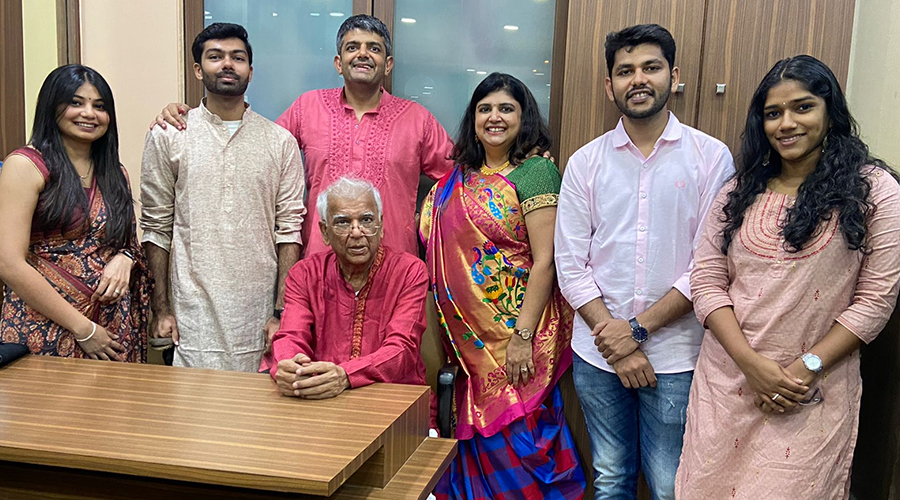
LIFE AT MHCO














PRACTICE AREA
Healthcare, Life Sciences & Pharma Law Firm & Lawyers in India
Information technology Law Firm & Lawyers in India
Ecommerce Marketplaces Law Firm & Lawyers in India
Family Offices & HNIs Law Firm & Lawyers in India
Food & Beverage Law Firm and Lawyers in India
GET IN TOUCH
Mumbai: Surya Mahal, 2nd Floor 5, Burjorji Bharcha Marg Fort, Mumbai-400 023 India
Contact No.: T: +91-22-40565252
E: contact@mhcolaw.com
Delhi: C-9, Lower Ground Floor Jangpura Extension, New Delhi-110 0014 India
Contact No.: T: +91-11-40196496
E: contact@mhcolaw.com
2025 - MANSUKHLAL HIRALAL & CO.
Need Help? Chat with us