








MSI Is A Global Association Of Over 250 Independent Legal And Accounting Firms In More Than 100 Countries. MSI Has A Successful Track Record Of More Than 25 Years And The Firm Has Recently Been Selected To Represent Mumbai, India.
Please Click Here To See MSI’s Info Graphic Which Highlights Key Facts Of The About. With The Membership At MSI, The Firm Has Now Access To 253 Legal And Accounting Firms Worldwide For Its Clients Who Desire To Do Cross Border Transactions Across The World.

LITIGATION UPDATE | SUPREME COURT UPHOLDS OCCUPANTS' RIGHTS
IN REDEVELOPMENT PROJECTS, REINSTATES MHADA ORDERS FOR
PERMANENT ALTERNATE ACCOMMODATION

LITIGATION UPDATE | SUPREME COURT UPHOLDS OCCUPANTS' RIGHTS IN REDEVELOPMENT PROJECTS, REINSTATES MHADA ORDERS FOR PERMANENT ALTERNATE ACCOMMODATION
Overview:
The Supreme Court of India, vide its judgment dated July 23, 2026, in Mahabanoo Contractor and Another v. Kalikund Developers and Others (Civil Appeal No. 9342 of 2026), set aside a Bombay High Court decision and ruled in favour of the occupants of a redeveloped cessed building. The Supreme Court upheld the Maharashtra Housing and Area Development Authority’s (MHADA) orders directing the developer to execute the Permanent Alternate Accommodation Agreement (PAAA) and hand over possession. The ruling firmly establishes that a PAAA executed under the Maharashtra Housing and Area Development Act, 1976 (MHAD Act) and the Development Control (DC) Regulations is not merely a private arrangement but is governed by a statutory scheme protecting occupants' rights.
Brief Background and Facts:
The dispute arose regarding a cessed building unfit for human habitation, which the developer (Respondent No. 1) undertook to demolish and redevelop under the MHAD Act, obtaining a No Objection Certificate (NOC) from MHADA. Occupants vacated the premises on the assurance of alternate accommodation in the reconstructed building.
The first Appellant and the late Ms. Gool Peshotan Unwalla were joint occupants of Room No. 5 on the third floor of the old building. Following the redevelopment, the developer refused to honour the PAAA executed on 17 October 2019, which granted the Appellants three flats (inclusive of fungible area) totalling 309.98 sq. mtrs. Instead, the developer offered a smaller area, contending that the fungible Floor Space Index (FSI) was not fully utilized due to a reduction in the building's height from 34 to 30 floors.
Upon the Appellants' complaint, MHADA issued orders on 28 May 2025, and 27 June 2025, directing the developer to register the PAAA and hand over possession, which were followed by a Show Cause Notice on 10 July 2025 when the developer failed to comply with the orders. The developer challenged the orders and the Show Cause Notice in the Bombay High Court, which stayed MHADA's actions by classifying the PAAA as a "private arrangement" amenable only to civil court jurisdiction. The Hon’ble High Court recorded the developer's undertaking to keep two flats encumbrance-free until a civil suit was decided. Subsequently, the developer filed a civil suit challenging the validity of the PAAA in its entirety.
Contentions of the Parties:
The Division Bench of the Supreme Court consisting of the Hon’ble Justice Shri J.B. Pardiwala and the Hon’ble Justice K. Vinod Chandran made several key observations:
The Supreme Court allowed the appeal, setting aside the Bombay High Court's judgment and reviving MHADA’s original orders. The Hon’ble Court directed the developers to execute the PAAA and hand over possession of the three apartments within two months and stated that if they failed to do so, the Appellants were entitled to recover damages calculated at the monthly rental value of the flats. The Hon’ble Court further restrained the High Court from proceeding with the developer's civil suit and imposed heavy costs on the developer.
MHCO Comment:
This pivotal judgment strictly curtails the dilatory tactics often employed by developers in redevelopment schemes to avoid handing over agreed-upon permanent alternate accommodations. By reiterating that the PAAA is a statutory instrument governed by the MHAD Act, rather than a standard private contract, the Supreme Court has fortified the regulatory authority of bodies like MHADA to intervene and enforce these agreements. For real estate practitioners and developers, this ruling serves as a stern reminder that internal management disputes or changes in project specifications cannot be utilized to prejudice the vested statutory rights of certified occupants.
The Supreme Court of India, vide its judgment dated July 23, 2026, in Mahabanoo Contractor and Another v. Kalikund Developers and Others (Civil Appeal No. 9342 of 2026), set aside a Bombay High Court decision and ruled in favour of the occupants of a redeveloped cessed building. The Supreme Court upheld the Maharashtra Housing and Area Development Authority’s (MHADA) orders directing the developer to execute the Permanent Alternate Accommodation Agreement (PAAA) and hand over possession. The ruling firmly establishes that a PAAA executed under the Maharashtra Housing and Area Development Act, 1976 (MHAD Act) and the Development Control (DC) Regulations is not merely a private arrangement but is governed by a statutory scheme protecting occupants' rights.
Brief Background and Facts:
The dispute arose regarding a cessed building unfit for human habitation, which the developer (Respondent No. 1) undertook to demolish and redevelop under the MHAD Act, obtaining a No Objection Certificate (NOC) from MHADA. Occupants vacated the premises on the assurance of alternate accommodation in the reconstructed building.
The first Appellant and the late Ms. Gool Peshotan Unwalla were joint occupants of Room No. 5 on the third floor of the old building. Following the redevelopment, the developer refused to honour the PAAA executed on 17 October 2019, which granted the Appellants three flats (inclusive of fungible area) totalling 309.98 sq. mtrs. Instead, the developer offered a smaller area, contending that the fungible Floor Space Index (FSI) was not fully utilized due to a reduction in the building's height from 34 to 30 floors.
Upon the Appellants' complaint, MHADA issued orders on 28 May 2025, and 27 June 2025, directing the developer to register the PAAA and hand over possession, which were followed by a Show Cause Notice on 10 July 2025 when the developer failed to comply with the orders. The developer challenged the orders and the Show Cause Notice in the Bombay High Court, which stayed MHADA's actions by classifying the PAAA as a "private arrangement" amenable only to civil court jurisdiction. The Hon’ble High Court recorded the developer's undertaking to keep two flats encumbrance-free until a civil suit was decided. Subsequently, the developer filed a civil suit challenging the validity of the PAAA in its entirety.
Contentions of the Parties:
- The Appellants (Occupants): The Appellants emphasized the statutory definition of 'occupant' under the MHAD Act and Rule 33(7) of the DC Regulations. They argued that the PAAA was a statutory requirement enforced by MHADA, not a private arrangement. They further relied on contemporaneous public notices, the certified list of tenants by MHADA, and the developer's NOC, all of which documented the first Appellant as a rightful joint occupant.
- The Respondents (Developer): The Respondents contended that the PAAA was a concocted document executed by a former expelled partner without proper authorization. They argued that upon the original tenant's death, the tenancy was extinguished, leaving the Appellants without rights to the premises. Furthermore, they asserted the carpet area allotted in the PAAA was excessive compared to the original tenement's area, especially considering that the FSI was not fully utilised.
The Division Bench of the Supreme Court consisting of the Hon’ble Justice Shri J.B. Pardiwala and the Hon’ble Justice K. Vinod Chandran made several key observations:
- Statutory Nature of the PAAA: The Hon’ble Supreme Court held that the High Court had misconstrued the PAAA as a mere private arrangement. It was held that the PAAA was executed under the MHAD Act, which is a statutory scheme, and was meant to facilitate redevelopment while ensuring that the original occupants were not displaced. Its enforcement therefore fell squarely within MHADA's regulatory purview.
- Definition of 'Occupant': The Hon’ble Court held that the MHAD Act defines "occupier" under Section 2(25) as encompassing more than just the statutory tenants. It was held that the first Appellant’s status as an occupant was firmly established by multiple contemporaneous documents, including the developer's own 2010 public notice and MHADA's certified list.
- Developer's Conduct and Internal Disputes: The Hon’ble Court rejected the developer's attempt to use internal partnership disputes to invalidate agreements made with the occupants, stating that the occupants were not even made a party to the consent terms executed between the partners. It was held that the settlement of inter-se disputes between partners cannot absolve the developer from obligations under a validly executed PAAA, on the basis of which vacant possession was originally obtained. Additionally, it was held that the developer's failure to utilize the full fungible area does not justify resiling from the agreed allotments.
- Mala Fide Civil Suit: The Hon’ble Court found the civil suit filed by the developer to be misconceived and mala fide in nature because it sought to challenge the Appellants' very claim as occupants contrary to the undertaking given by the developer to the High Court.
The Supreme Court allowed the appeal, setting aside the Bombay High Court's judgment and reviving MHADA’s original orders. The Hon’ble Court directed the developers to execute the PAAA and hand over possession of the three apartments within two months and stated that if they failed to do so, the Appellants were entitled to recover damages calculated at the monthly rental value of the flats. The Hon’ble Court further restrained the High Court from proceeding with the developer's civil suit and imposed heavy costs on the developer.
MHCO Comment:
This pivotal judgment strictly curtails the dilatory tactics often employed by developers in redevelopment schemes to avoid handing over agreed-upon permanent alternate accommodations. By reiterating that the PAAA is a statutory instrument governed by the MHAD Act, rather than a standard private contract, the Supreme Court has fortified the regulatory authority of bodies like MHADA to intervene and enforce these agreements. For real estate practitioners and developers, this ruling serves as a stern reminder that internal management disputes or changes in project specifications cannot be utilized to prejudice the vested statutory rights of certified occupants.
By:
- Mr. Akash Jain, Associate Partner
- Mr. Divyang Salvi, Associate
- Ms. Diva Lathi, Associate
This update was released on 18 Sep 2026.
The views expressed in this update are personal and should not be construed as any legal advice. Please contact us directly on +91 22 40565252 or contact@mhcolaw.com for any assistance.
Legal Update Team
MANSUKHLAL HIRALAL & COMPANY
Advocates, Solicitors and Notaries
T: +91 22 40565252
Mumbai Office: Surya Mahal, 2nd Floor, 5, Burjorji Bharucha Marg, Fort, Mumbai-400 023, India
Delhi Office: Block C-9, Lower Ground Floor, Jangpura Extension, New Delhi - 110 014, India
www.mhcolaw.com
"Noted lawyer in the Real Estate practitioner from India" - Chambers & Partners
Please consider the environment before printing this email
The information contained in this communication is intended solely for the use of the individual or entity to whom it is addressed and others authorized to receive it. This communication may contain confidential or legally privileged information. If you are not the intended recipient, any disclosure, copying, distribution or action taken relying on the contents is prohibited and may be unlawful. If you have received this communication in error, or if you or your employer does not consent to email messages of this kind, please notify the sender immediately by responding to this email and then delete it from your system. No liability is accepted for any harm that may be caused to your systems or data by this message.
Subscribe to our Knowledge Repository
If you would like to receive content directly in your inbox from our knowledge repository, please complete this subscription form.
OUR CLIENTS







MEDIA COVERAGES
AWARDS & RECOGNITION









AFFILIATIONS & ASSOCIATIONS

MEMBERS OF MSI GLOBAL ALLIANCE

MEMBERS OF ILF
International Law Firms (ILF) Is An International Association Of Independent Smaller And Mid-Sized Law Firms Serving Their Clients’ Needs In Cross Border Business Legal Issues. Our Association With ILF Enables Us To Effectively Assist Clients With Trans-National Legal Issues At Effective Prices.
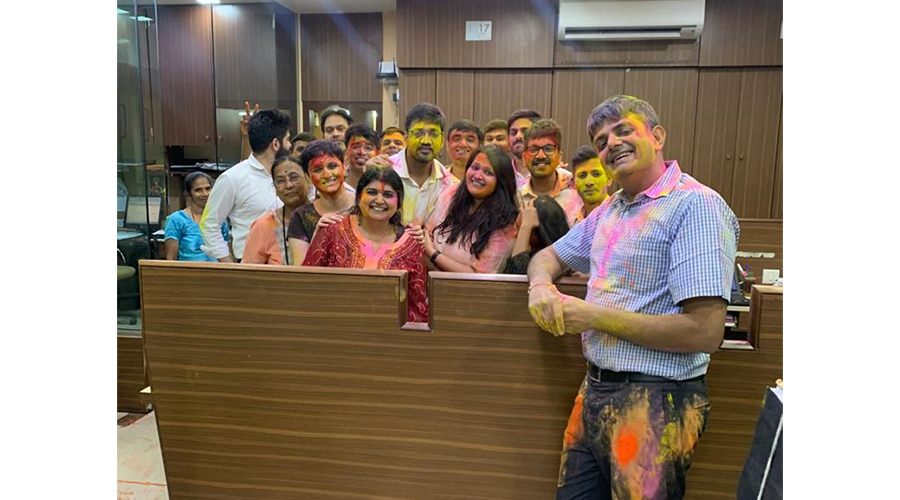
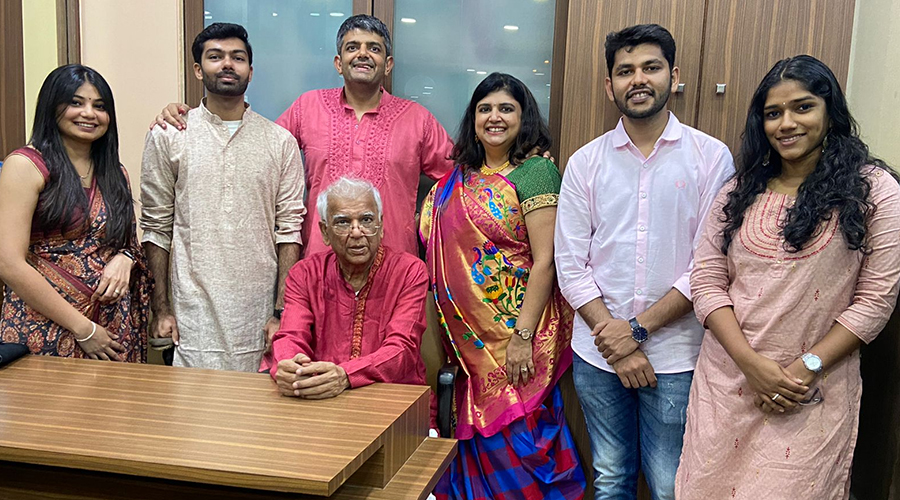
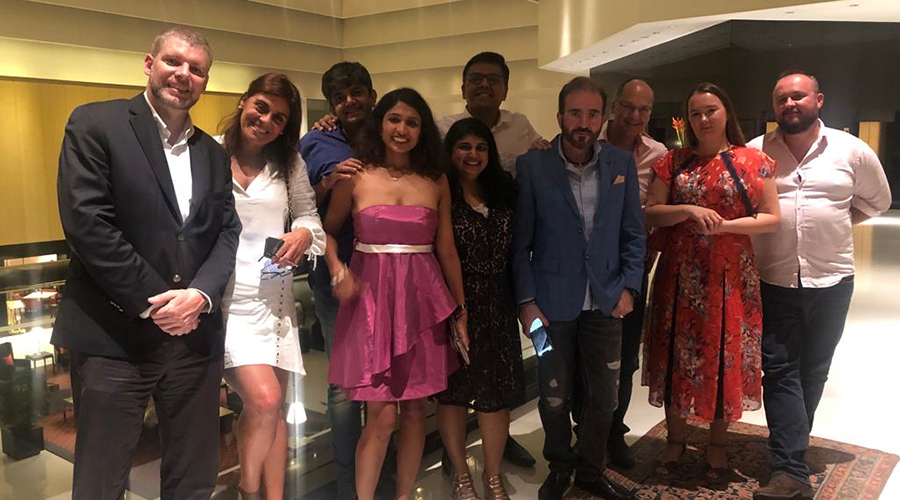
LIFE AT MHCO











PRACTICE AREA
Private Limited Company Registration in India
Setting up a Company in India
Foreign Direct Investment (FDI) in India
Foreign Business Registration in India
Small Business Registration in India
GET IN TOUCH
Mumbai: Surya Mahal, 2nd Floor 5, Burjorji Bharcha Marg Fort, Mumbai-400 023 India
Contact No.: T: +91-22-40565252
E: contact@mhcolaw.com
Delhi: C-9, Lower Ground Floor Jangpura Extension, New Delhi-110 0014 India
Contact No.: T: +91-11-40196496
E: contact@mhcolaw.com
Contact No.: T: +91-22-40565252
E: contact@mhcolaw.com
Delhi: C-9, Lower Ground Floor Jangpura Extension, New Delhi-110 0014 India
Contact No.: T: +91-11-40196496
E: contact@mhcolaw.com
2025 - MANSUKHLAL HIRALAL & CO.
Need Help? Chat with us