










MSI Is A Global Association Of Over 250 Independent Legal And Accounting Firms In More Than 100 Countries. MSI Has A Successful Track Record Of More Than 25 Years And The Firm Has Recently Been Selected To Represent Mumbai, India.
Please Click Here To See MSI’s Info Graphic Which Highlights Key Facts Of The About. With The Membership At MSI, The Firm Has Now Access To 253 Legal And Accounting Firms Worldwide For Its Clients Who Desire To Do Cross Border Transactions Across The World.

MHCO provides legal advice and representation in estate planning, wills, trusts, succession, probate and estate administration matters. As an Estate Planning, Trust & Wills Law Firm and Lawyers in India, our services include drafting and reviewing wills, structuring private trusts, advising on the transfer and management of family assets, preparing succession arrangements, assisting executors and trustees, and handling disputes concerning inheritance and testamentary documents. We also advise business owners and families on succession arrangements for privately held companies, family businesses, immovable property, financial investments and assets held across different jurisdictions.
Estate planning requires consideration of the ownership, nature and location of assets, the family structure, applicable personal laws and the intended beneficiaries. A suitable arrangement may involve a will, a private trust, a family settlement, a gift or a combination of legal instruments. For individuals and families with assets in India and overseas, the planning process may also involve foreign succession laws, tax considerations and cross border estate administration.
MHCO assists Indian residents, Non Resident Indians (NRIs), overseas Indians, international families, business owners and high net worth individuals with legal arrangements for the ownership, management and succession of their assets. Our work also extends to disputes arising from wills, trusts, inheritance rights and the administration of deceased estates.
Estate Planning, Trust and Wills Legal Services in India
Our estate planning practice covers the preparation of legal documents, creation and administration of trusts, succession arrangements and representation in inheritance related disputes. The appropriate legal structure depends on the client's assets, family circumstances, applicable personal law and long term objectives.
Estate Planning and Asset Structuring
Estate planning involves organising the ownership and future transfer of assets in accordance with an individual's wishes and legal rights. We advise on arrangements involving residential and commercial property, land, bank deposits, shares, securities, investments, business interests and other movable and immovable assets.
Our work includes reviewing existing ownership arrangements, identifying potential succession issues and preparing suitable legal instruments. Where necessary, we consider the interaction between wills, trusts, nominations, joint ownership, gifts and family arrangements. The objective is to establish a legally workable structure for asset management and succession, while taking account of the rights of family members and other interested parties.
Drafting, Reviewing and Registering Wills
A properly prepared will records how a person wishes their estate to be distributed after death. We assist with drafting new wills, reviewing existing documents, preparing codicils and addressing issues involving executors, beneficiaries, specific bequests and residuary assets.
A will should reflect the testator's intentions and comply with the formalities applicable under the relevant law. For many individuals governed by the Indian Succession Act, 1925, an ordinary will requires execution by the testator and attestation by two witnesses. The rules applicable to Muslim wills and certain other personal law situations may differ. Registration of a will is generally optional, but the decision should be considered in the context of the document, the assets and the circumstances of the testator.
We also advise on amendments and revocation of earlier wills, competing testamentary documents, questions of capacity and allegations of undue influence or fraud. The Indian Succession Act, 1925 contains important provisions concerning wills, testamentary succession, probate and estate administration.
Private Trust Formation and Trust Deed Drafting
A private trust may be used to hold and manage assets for identified beneficiaries, subject to the terms of the trust deed and applicable law. We advise individuals and families on the formation and structuring of private trusts, including the appointment of trustees, identification of beneficiaries, transfer of trust property and definition of trustee powers and responsibilities.
Our services include drafting and reviewing trust deeds, advising on revocable and irrevocable arrangements, defining distribution conditions and addressing the management of trust assets. We also assist with amendments to trust arrangements and legal issues involving trustees, beneficiaries and the administration of trust property.
The Indian Trusts Act, 1882 principally concerns private trusts and trustees. Public charitable and religious endowments, waqfs and certain other arrangements may be governed by separate legal frameworks. The nature and purpose of a proposed trust must therefore be assessed before selecting the appropriate structure.
Family Trusts and Wealth Preservation Arrangements
Families with substantial assets or complex ownership arrangements may consider a trust to provide for future generations, dependants or beneficiaries with particular needs. We advise on family trust structures involving property, investments, business interests and other assets. The terms can address the powers of trustees, conditions for distributions, the interests of beneficiaries and the management of assets over time.
Trust arrangements may also be considered where a family wishes to provide for minor children, elderly relatives or beneficiaries who may require continuing financial support. The structure must be aligned with the client's intentions, the legal rights of beneficiaries and the tax and regulatory implications of transferring or holding assets through a trust.
Succession Planning for Families and Individuals
Succession planning involves preparing for the transfer of assets and responsibilities between generations. We advise individuals and families on inheritance arrangements, family settlements, ownership transitions and the legal documentation required to implement their plans.
Our work includes reviewing existing wills and trust arrangements, examining family ownership structures, identifying potential disputes and preparing documents for the intended succession. Where a family has assets governed by different personal laws or located in different parts of India, the applicable legal framework requires careful consideration.
As a succession planning law firm, our work may also involve advising on the rights of legal heirs, intestate succession, relinquishment arrangements, partition of inherited property and disputes concerning the distribution of an estate. Our succession planning lawyers consider the legal position alongside the family's intended arrangements and the documents required to give effect to them.
Business and Family Business Succession Planning
The transfer of a business between generations involves more than the distribution of shares or ownership interests. It may require changes to management responsibilities, board composition, shareholder rights, control arrangements and the roles of family members in the business.
We advise promoters, founders and family owned enterprises on business succession arrangements involving companies, partnerships and other business structures. Our work may include preparing shareholder arrangements, family business documents, ownership transfer instruments and succession related agreements. Where the proposed transition involves corporate restructuring or changes in management, our related corporate law services may also be relevant.
A business succession planning attorney should consider both the personal estate arrangements of the business owner and the legal structure through which the business operates. This is particularly relevant where family members have different ownership interests or where some beneficiaries are active in the business while others are not.
Probate, Letters of Administration and Estate Administration
Following a person's death, legal steps may be required to establish the authority of an executor or administrator, manage estate assets and complete the transfer of property to the rightful beneficiaries. We advise executors, administrators and legal heirs on probate proceedings, letters of administration and related estate administration matters.
Our work includes reviewing the will and supporting documents, preparing petitions, addressing objections and assisting with court proceedings. We also advise on the collection and transfer of assets, dealings with financial institutions and documentation required for estate administration.
The legal requirement for probate depends on the applicable law and circumstances. Section 213 of the Indian Succession Act, 1925 was omitted by the Repealing and Amending Act, 2025 with effect from 20 December 2025. The omission has changed the earlier statutory position on compulsory probate for specified categories of wills. However, probate may still be sought or become relevant in particular circumstances, including where the validity of a will is disputed or a court grant is required for estate administration. The effect of the amendment should be assessed in light of the facts and applicable legal provisions.
Succession Certificates and Transfer of Financial Assets
Legal heirs may need documentation to claim debts, securities, bank balances and other financial assets belonging to a deceased person. We advise on succession certificates and related procedures, including the identification of the appropriate court, preparation of supporting documents and representation in proceedings.
The documentation required may vary depending on the type of asset, the institution holding it, the existence of a will and the applicable succession law. We also assist with legal issues arising where banks, financial institutions or other asset holders require clarification of the claimant's authority or entitlement.
Inheritance, Will and Trust Disputes
Disputes may arise where family members disagree over the validity or interpretation of a will, the conduct of an executor, the administration of a trust or the distribution of inherited property. We advise beneficiaries, executors, trustees and other interested parties in contentious succession matters.
Our work includes disputes involving allegations of undue influence, fraud, lack of testamentary capacity, competing wills, breach of trust, exclusion of legal heirs and misuse of estate assets. Depending on the circumstances, proceedings may involve civil litigation, probate related applications, trust disputes or property claims. Our related civil litigation and property law services may be relevant where inheritance disputes overlap with title, possession or ownership issues.
NRI and Cross Border Estate Planning
Families with members or assets in more than one country may face legal issues involving different succession laws, ownership rules, tax systems and documentation requirements. We advise NRIs, overseas Indians and international families on estate planning arrangements concerning assets situated in India.
This work may involve Indian property, bank accounts, securities, business interests, wills executed abroad, foreign beneficiaries and estate administration following a death outside India. We review the relevant documents and jurisdictional issues to assess how Indian law applies and whether coordination with lawyers or tax advisers in another country is required.
Who We Advise on Estate Planning, Trust and Succession Matters
Estate planning and succession services are relevant to individuals, families, business owners and institutions with interests in assets or legal arrangements in India. MHCO advises clients at different stages, from preparing an initial will or trust deed to managing complex inheritance arrangements and resolving disputes.
Individuals and Families
We advise individuals seeking to prepare wills, organise their assets and establish arrangements for the benefit of family members. This includes married couples, parents, individuals with dependants, senior citizens and people with complex family or ownership arrangements. Legal advice may also be required where a person wishes to revise an existing will following marriage, divorce, the birth of a child or a significant change in their assets.
High Net Worth Individuals and Business Owners
Individuals with substantial property holdings, investments, shareholdings or business interests may require coordinated estate and succession arrangements. We advise promoters, entrepreneurs, investors and high net worth individuals on wills, private trusts, asset transfers and succession planning for family wealth.
Non Resident Indians and Overseas Indians
NRIs and overseas Indians may own residential property, commercial assets, investments or business interests in India. They may also have family members and beneficiaries living in different countries. We advise on Indian legal documentation, succession arrangements and estate administration involving Indian assets, while taking account of relevant cross border issues.
Family Offices and Multi Generational Families
Family offices and multi generational families may require legal structures for holding, managing and transferring family assets. Our work may involve trust arrangements, family settlements, succession documents and the review of existing ownership structures. Where family members have different financial interests or roles in a family enterprise, legal documentation can help define their respective rights and responsibilities.
Founders, Promoters and Family Owned Businesses
Business founders and promoters may need to plan for the transfer of shares, management responsibilities and control of an enterprise. We advise family owned companies, partnerships, LLPs and other business structures on succession documentation and ownership arrangements. This may include coordination with corporate governance, shareholder rights and commercial agreements.
Executors, Trustees and Beneficiaries
Executors and trustees may require legal advice when administering an estate or managing trust property. Beneficiaries may also need representation where they have concerns about the interpretation of a will, distribution of assets, trustee conduct or compliance with the terms of a trust. We advise on the legal responsibilities and rights arising from these roles.
Legal Heirs and Families Involved in Inheritance Disputes
We advise legal heirs and family members involved in disputes concerning inherited property, competing claims, intestate succession, wills and estate administration. Such matters may require consideration of personal laws, title documents, family arrangements and the rights of other beneficiaries.
International Families and Foreign Investors
International families and foreign investors with assets or business interests in India may require advice on Indian succession law, trust arrangements, property ownership and estate administration. We assist with the Indian legal aspects of these matters and consider when coordination with overseas legal and tax advisers may be necessary.
Our Approach to Estate Planning, Trust and Succession Matters: Legal Structuring, Documentation and Dispute Management
Our approach begins with understanding the client's assets, family arrangements, ownership documents and intended beneficiaries. We review the nature and location of the assets, existing wills or trust deeds, business interests and any prior transfers or family arrangements. This assessment helps identify the legal framework applicable to the estate and the documents required to implement the client's objectives.
We then consider the appropriate legal structure. Depending on the circumstances, this may involve a will, private trust, family settlement, gift arrangement, succession document or a combination of instruments. Where the client has assets outside India, we consider the Indian legal issues and identify matters requiring coordination with overseas legal or tax advisers. The objective is to ensure the proposed documents work together and do not create conflicting rights or unintended consequences.
Documentation is prepared with attention to the client's intentions, statutory requirements, ownership rights and the responsibilities of executors or trustees. We also consider practical issues such as the identification of beneficiaries, appointment of suitable representatives, management of assets and arrangements for future amendments.
Where a dispute has already arisen, our work shifts towards assessing the testamentary documents, title records, family arrangements and evidence relevant to the claim. We advise on the available legal remedies and assist with proceedings involving wills, trusts, probate, inheritance and estate administration. The legal strategy is shaped by the nature of the dispute, the parties involved and the relief available under the applicable law.
Why Choose MHCO for Estate Planning, Trust and Wills Matters in India?
Estate planning and succession matters require a considered approach because they involve personal intentions, family relationships, asset ownership and statutory rights. MHCO's work covers the preparation and review of wills, private trust arrangements, succession planning, business transition documents, probate and estate administration, alongside disputes involving inheritance and testamentary instruments. We consider the legal and practical aspects of each matter, including the nature of the assets, applicable personal laws, beneficiary interests and any cross border considerations. Our legal services extend to individuals, families, NRIs, overseas Indians, business owners and international clients with interests in India. Matters may involve assets, family arrangements or business interests connected with major commercial and residential centres such as Delhi and Mumbai. Where estate planning overlaps with company ownership, property rights, civil disputes or financial claims, our related legal practices can also be considered as part of the overall legal position. MHCO's broader private client and legal advisory work includes consumer lawyers India services where a separate consumer law issue arises in connection with financial or other consumer services.
Frequently Asked Questions on Estate Planning, Trusts and Wills in India
What services does an estate planning law firm in India provide?
An estate planning law firm in India may assist with drafting wills, creating private trusts, preparing succession arrangements, advising on family settlements, handling probate and estate administration, and representing parties in inheritance disputes. The scope of work depends on the client's assets, family structure, applicable personal laws and whether the matter involves planning or an existing dispute.
Why should I appoint a lawyer for estate planning in India?
Legal advice can help ensure the proposed arrangements are consistent with applicable succession laws, ownership rights and documentation requirements. A lawyer can review existing assets and documents, identify potential legal issues and prepare wills, trust deeds or succession instruments suited to the client's circumstances. This can be particularly relevant for families with business interests, multiple properties or overseas beneficiaries.
How do I find the best lawyer for estate planning?
The appropriate lawyer should be familiar with the legal issues relevant to the estate, including wills, trusts, succession, property ownership and estate administration. For complex family or cross border arrangements, experience with the relevant personal laws and coordination of multiple legal instruments may also be important. The scope of the proposed work and the lawyer's role should be clearly understood before an engagement.
What is the difference between a will and a private trust?
A will records a person's instructions for the distribution of their estate after death and generally takes effect on death. A private trust is a legal arrangement under which property is held and managed by trustees for the benefit of beneficiaries or for a specified lawful purpose. A trust may operate during the lifetime of its creator or be established through a will. The appropriate arrangement depends on the intended use, the assets and the legal and tax implications.
Is registration of a will compulsory in India?
Registration of a will is generally optional under Indian law. However, the will must comply with the applicable execution and attestation requirements. For many ordinary wills governed by the Indian Succession Act, 1925, attestation by two witnesses is required. Personal law considerations may affect the formalities in particular cases. Registration, execution and storage should be considered separately when preparing a will.
Is probate compulsory for every will in India?
No single answer applies to every estate. Section 213 of the Indian Succession Act, 1925 was omitted with effect from 20 December 2025 by the Repealing and Amending Act, 2025. This removed the earlier statutory requirement for probate in the categories covered by that provision. However, probate may still be sought or become relevant in a disputed estate or where a court grant is required for a particular purpose. The applicable legal position should be reviewed in the context of the will, the assets and the proceedings involved.
Can an NRI make a will for property situated in India?
An NRI may make a will dealing with property situated in India, subject to the applicable Indian succession law and relevant personal law requirements. Where the individual also owns assets in another country, the planning should consider the laws of each relevant jurisdiction. Separate wills or coordinated testamentary documents may be appropriate in some circumstances, but their terms should be reviewed to avoid unintended revocation or inconsistency.
Can a private trust be created for children or family members?
A private trust may be created for the benefit of children, family members or other identified beneficiaries, subject to applicable law. The trust deed can set out the trustees' powers, the beneficiaries' interests, distribution conditions and arrangements for managing the trust property. The suitability of the structure depends on the assets, intended purpose and legal and tax considerations.
What is the difference between succession planning and estate planning?
Estate planning concerns the legal arrangements for managing and transferring a person's assets, often through wills, trusts and other instruments. Succession planning focuses on the transfer of ownership, rights or responsibilities to the next generation or other intended successors. In family businesses, succession planning may also involve management continuity and transfer of control. The two areas often overlap.
Can a will be challenged by a family member or legal heir?
A will may be challenged where there are legally sustainable grounds, such as allegations of fraud, coercion, undue influence, lack of testamentary capacity, improper execution or questions concerning its authenticity. A person seeking to challenge a will must establish the relevant legal grounds through appropriate proceedings and evidence. The available remedy depends on the circumstances and the applicable law.
Do I need an estate tax attorney for estate planning in India?
India does not currently impose a separate estate or inheritance tax. However, estate planning may still involve income tax, capital gains, gift taxation, trust taxation and reporting obligations, depending on the assets and proposed transfers. Where an individual owns assets in another country, estate or inheritance taxes may apply under that country's laws. An estate tax attorney or tax adviser familiar with the relevant jurisdictions may therefore be required for cross border planning.
What is the role of a succession planning law firm in family business matters?
A succession planning law firm can advise on the legal arrangements required to transfer ownership, shares and management responsibilities within a family business. This may involve shareholder agreements, family arrangements, wills, trusts and corporate documentation. The legal structure should account for the rights of existing owners, the intended successors and the governance requirements of the business.
When should I consult a probate attorney in India?
Legal advice may be required when a person needs to administer a deceased person's estate, establish authority as an executor, obtain letters of administration, address objections to a will or resolve disputes among beneficiaries. A probate attorney can review the testamentary documents, identify the appropriate court process and advise on the evidence and documentation required. The need for a probate application depends on the facts and applicable law.
Can succession lawyers assist with disputes over inherited property?
Yes. Succession lawyers may advise on disputes involving ownership of inherited property, competing inheritance claims, partition, family settlements, wills and the rights of legal heirs. Some matters may also require civil proceedings concerning title, possession or the validity of a transfer. The appropriate legal route depends on the property documents, applicable personal law and nature of the dispute.
What is the role of trust planning lawyers in creating a family trust?
Trust planning lawyers assist with selecting an appropriate trust structure, preparing the trust deed and defining the rights and responsibilities of the settlor, trustees and beneficiaries. They may also advise on the transfer of assets, trustee powers, distributions, amendments and administration. A trust should be structured in accordance with its purpose and the legal framework applicable to the property and beneficiaries.
Can probate litigation attorneys represent beneficiaries in a disputed will?
Yes. Probate litigation attorneys may represent executors, beneficiaries, legal heirs or other interested parties in proceedings concerning the validity, interpretation or administration of a will. Disputes may involve allegations of undue influence, fraud, lack of capacity, competing wills or objections to the appointment of an executor. The evidence and legal grounds must be assessed before proceedings are initiated or defended.
Are local probate attorneys required when the deceased owned property in different Indian states?
The need for local representation depends on the location of the assets, the deceased person's residence, the nature of the proceedings and the jurisdiction of the relevant court. A matter involving assets in different states may require coordination of documentation and legal steps across jurisdictions. The term local probate attorneys is often used in overseas searches, but in India the appropriate legal representation depends on the court and the applicable procedural requirements.
OUR CLIENTS







MEDIA COVERAGES
AWARDS & RECOGNITION









AFFILIATIONS & ASSOCIATIONS

MEMBERS OF MSI GLOBAL ALLIANCE

MEMBERS OF ILF
International Law Firms (ILF) Is An International Association Of Independent Smaller And Mid-Sized Law Firms Serving Their Clients’ Needs In Cross Border Business Legal Issues. Our Association With ILF Enables Us To Effectively Assist Clients With Trans-National Legal Issues At Effective Prices.
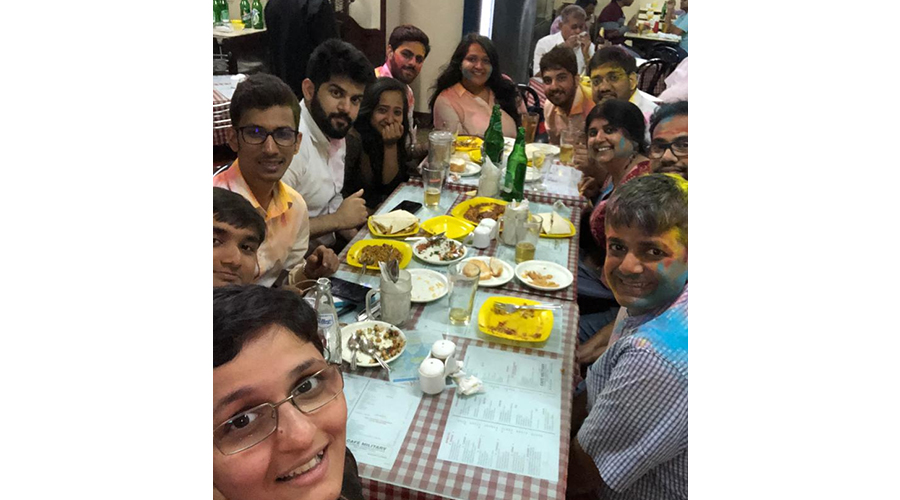
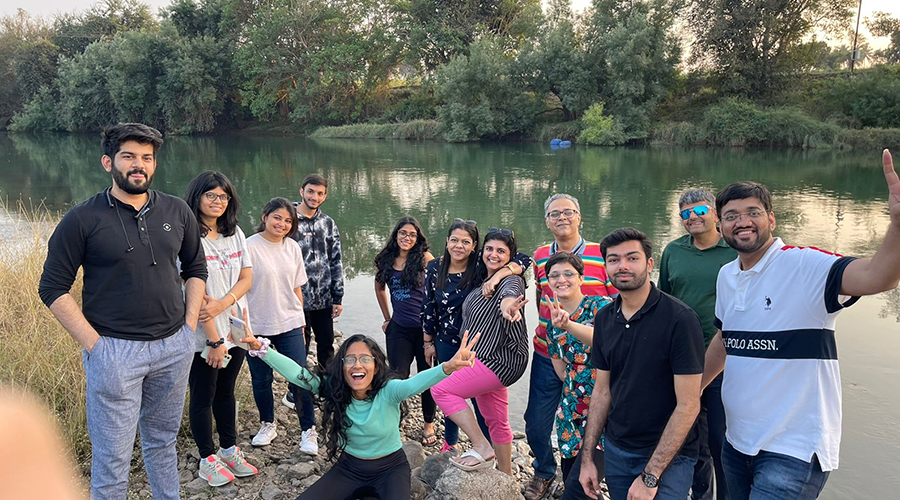
LIFE AT MHCO










PRACTICE AREA
NRI Lawyers in India for Legal Matters
FMCG & Retail Law Firm and Lawyers in India
Estate Planning, Trust & Wills Law Firm and Lawyers in India
Consumer Law Firms and Lawyers in Mumbai for Legal Matters
Consumer Law Firm and Lawyers in Delhi NCR
GET IN TOUCH
Mumbai: Surya Mahal, 2nd Floor 5, Burjorji Bharcha Marg Fort, Mumbai-400 023 India
Contact No.: T: +91-22-40565252
E: contact@mhcolaw.com
Delhi: C-9, Lower Ground Floor Jangpura Extension, New Delhi-110 0014 India
Contact No.: T: +91-11-40196496
E: contact@mhcolaw.com
2025 - MANSUKHLAL HIRALAL & CO.
Need Help? Chat with us