










MSI Is A Global Association Of Over 250 Independent Legal And Accounting Firms In More Than 100 Countries. MSI Has A Successful Track Record Of More Than 25 Years And The Firm Has Recently Been Selected To Represent Mumbai, India.
Please Click Here To See MSI’s Info Graphic Which Highlights Key Facts Of The About. With The Membership At MSI, The Firm Has Now Access To 253 Legal And Accounting Firms Worldwide For Its Clients Who Desire To Do Cross Border Transactions Across The World.

Innovation drives progress, and protecting intellectual property is crucial for businesses, inventors, and organisations worldwide. The Patent Law Firm and Lawyers in Mumbai, India provide expert guidance at every stage of patent protection, from application drafting to registration, enforcement, and litigation. Our lawyers combine deep legal knowledge with practical insight to ensure that inventions are legally safeguarded and strategically leveraged for commercial success. Businesses seeking robust intellectual property solutions benefit from tailored strategies, meticulous documentation, and precise execution under Indian and global patent frameworks.
Best Patent Law Firms for Patent Consulting Services
Patent consulting is fundamental to securing innovation. Best Patent Law Firms for Patent Consulting Services provide strategic advice on patentability, filing decisions, and IP management. Our attorneys evaluate technical innovations, assess prior art, and develop robust protection strategies aligned with business objectives. From startups to multinational corporations, professional guidance minimises risk, optimises portfolio value, and strengthens IP assets. This ensures that each patent is filed accurately, monitored diligently, and positioned to deliver maximum competitive advantage.
Patent Laws and Expertise of MHCO
Navigating patent law requires expertise in both legal and technical domains. Patent Laws and Expertise of MHCO encompass Indian patent legislation, international treaties, and regulatory compliance. Our lawyers advise on patent prosecution, opposition procedures, and enforcement mechanisms with precision. Combining detailed knowledge of statutory requirements with practical insights into industry trends, our team ensures comprehensive protection of inventions. We guide clients through drafting claims, responding to office actions, and strategizing licensing agreements, providing authoritative solutions in all patent-related matters.
Legal Process of Patent Filing – Manual and e-Filing
Filing a patent application accurately is critical to securing intellectual property rights. The legal process of patent filing includes both manual submission and the modern e-filing process, which offers transparency, speed, and easy monitoring. Our lawyers guide inventors in selecting the right filing route, preparing documentation, and ensuring compliance with Indian Patent Office regulations. Proper filing safeguards the innovation and lays the groundwork for enforceable patent rights.
Patent Application Drafting and Registration
Effective patent protection begins with precise patent application drafting. Well-crafted applications ensure comprehensive coverage of the invention, minimise objections, and facilitate smoother registration. Our team assists in drafting technical descriptions, claims, and drawings while adhering to formal requirements. Following drafting, we oversee the patent registration process, ensuring all necessary documentation is accurately submitted and processed. This meticulous approach enhances the likelihood of approval and establishes a solid foundation for protecting the invention.
Patent Litigation, Infringement, and Disputes
Even after registration, patents may be subject to infringement or legal disputes. Patent litigation, infringement, and dispute resolution are essential to defending rights and maintaining commercial advantage. Our attorneys represent clients in opposition proceedings, infringement claims, and licensing disputes. By leveraging deep legal expertise and strategic analysis, we ensure that patent rights are enforced, violations addressed, and commercial interests protected in both domestic and international forums.
Patent Registration Process & Required Documents
Understanding the patent registration process and required documents is key to securing IP protection efficiently. Applicants must submit technical specifications, drawings, claims, and forms in compliance with Indian Patent Office requirements. MHCO provides guidance on assembling documentation, filing, and responding to examination reports. By offering continuous monitoring and post-registration support, our lawyers ensure that patents remain enforceable and valuable over their lifecycle.
Top Patent Consultant in India for Diverse Sectors
Patents span diverse industries, each with unique technical and commercial requirements. Our services cater to technology, software, pharmaceuticals, biotechnology, engineering, consumer goods, and startup innovations. Sector-specific expertise ensures that each invention is assessed, protected, and strategically positioned in the market. By integrating legal precision with industry knowledge, clients receive practical solutions that align with business objectives and support global IP strategies.
Why Work with the Best Patent Law Firm and Lawyers in Mumbai
Choosing a trusted legal partner is vital to safeguarding innovations. Our lawyers combine extensive experience with a client-focused approach, ensuring personalised solutions for patent filing, registration, enforcement, and consulting. We are committed to providing clear guidance, precise execution, and a deep understanding of both domestic and international patent laws. With MHCO, clients benefit from a proven track record, reliable legal expertise, and strategies tailored to enhance the value of intellectual property assets.
MHCO for Patent Excellence
MHCO is recognised for its comprehensive patent services, combining technical understanding with legal acumen. Our team of expert patent attorneys and consultants provides meticulous guidance on every stage of patent protection, helping clients navigate complex regulations while maximising the commercial value of their inventions. By offering structured, strategic, and legally sound solutions, MHCO stands out as a trusted authority among the top IP law firms in India.
Frequently Asked Questions (FAQs)
Q1. What types of inventions can be protected by a patent in India?
A patent may protect inventions that satisfy the legal requirements of patentability, including novelty, inventive step, and industrial applicability. Patents may be available for qualifying products or processes across various industries. However, certain subject matter is excluded from patent protection under Indian patent law, depending on the nature of the invention.
Q2. Should I keep my invention confidential before filing a patent application?
Yes, maintaining confidentiality before filing is generally advisable. Public disclosure of an invention before filing may affect its patentability under applicable laws. Inventors should carefully manage presentations, publications, demonstrations, and discussions with third parties. Where appropriate, confidentiality agreements may help protect sensitive information before a patent application is submitted.
Q3. Can I patent an invention that has already been disclosed publicly?
It depends. Public disclosure before filing may affect the availability of patent protection, although limited exceptions may apply in specific circumstances under applicable law. Whether an invention remains patentable depends on the timing, nature, and extent of the disclosure, together with the relevant legal requirements governing patent applications.
Q4. What documents are generally required to file a patent application in India?
The required documents depend on the invention and the applicant's circumstances. Generally, applicants may need a patent specification describing the invention, claims defining the scope of protection, inventor details, supporting declarations, drawings where applicable, and authorisation documents. Additional information may be required depending on the type of patent application.
Q5. Can patent rights be licensed or assigned to another person or company?
Yes, patent rights can generally be licensed, assigned, or otherwise transferred in accordance with applicable patent laws and contractual arrangements. These transactions enable patent owners to commercialise their inventions while defining ownership, usage rights, royalties, and other legal obligations. Proper documentation is important to establish the parties' respective rights.
Q6. What are the common mistakes inventors make when applying for a patent?
Common mistakes include publicly disclosing the invention before filing, preparing inadequate technical descriptions, overlooking prior art, delaying the application, and failing to define claims clearly. These issues may affect the strength or validity of patent protection. Careful preparation and accurate documentation support a more effective patent application process.
Q7. Can an Indian patent protect my invention in other countries?
No, a patent granted in India generally protects an invention only within India. Inventors seeking protection in other jurisdictions must pursue patent protection in those countries through the applicable international or national filing procedures. The available options and requirements vary depending on the jurisdictions where protection is sought.
Q8. How do I know if my invention is already patented?
A patent search can help determine whether similar inventions have already been disclosed or patented. Reviewing prior patents and published patent applications allows inventors to assess novelty and identify potential obstacles before filing. While a search cannot guarantee patentability, it supports informed decisions during the patent application process.
Q9. Can improvements to an existing invention be patented?
Yes, improvements to an existing invention may qualify for patent protection if they independently satisfy the applicable legal requirements for patentability. Simply modifying an existing product is not always sufficient. Whether an improvement is patentable depends on its technical contribution, novelty, inventive step, and industrial applicability.
Q10. What happens after I file a patent application in India?
After filing, a patent application undergoes the prescribed legal and technical examination process under the Patents Act, 1970. Depending on the application, the process may involve publication, examination, responses to official objections, and a decision by the Patent Office. The exact procedure varies according to the facts of each application.
Q11. Can multiple inventors apply for the same patent?
Yes, two or more inventors may jointly apply for a patent if they have collectively contributed to the inventive concept. Joint inventorship should accurately reflect each inventor's contribution to the invention. Ownership arrangements between co-inventors should also be clearly documented to avoid future disputes regarding patent rights.
Q12. How can businesses commercialise a patented invention?
Businesses can commercialise patented inventions through manufacturing, licensing, assignment, strategic partnerships, technology transfer, or collaborative research arrangements. The most suitable commercialisation strategy depends on the invention, market opportunities, and business objectives. Proper contractual documentation helps define ownership, usage rights, and revenue-sharing arrangements while protecting the patent owner's interests.
OUR CLIENTS







MEDIA COVERAGES
AWARDS & RECOGNITION









AFFILIATIONS & ASSOCIATIONS

MEMBERS OF MSI GLOBAL ALLIANCE

MEMBERS OF ILF
International Law Firms (ILF) Is An International Association Of Independent Smaller And Mid-Sized Law Firms Serving Their Clients’ Needs In Cross Border Business Legal Issues. Our Association With ILF Enables Us To Effectively Assist Clients With Trans-National Legal Issues At Effective Prices.
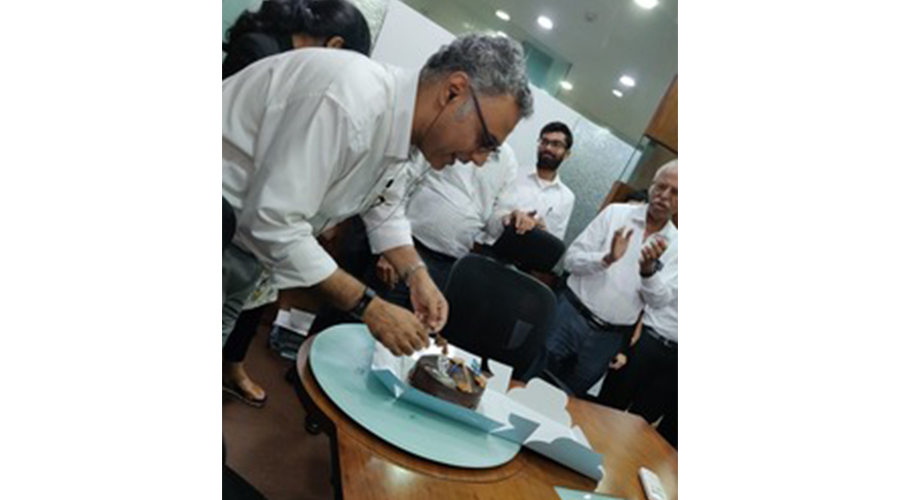
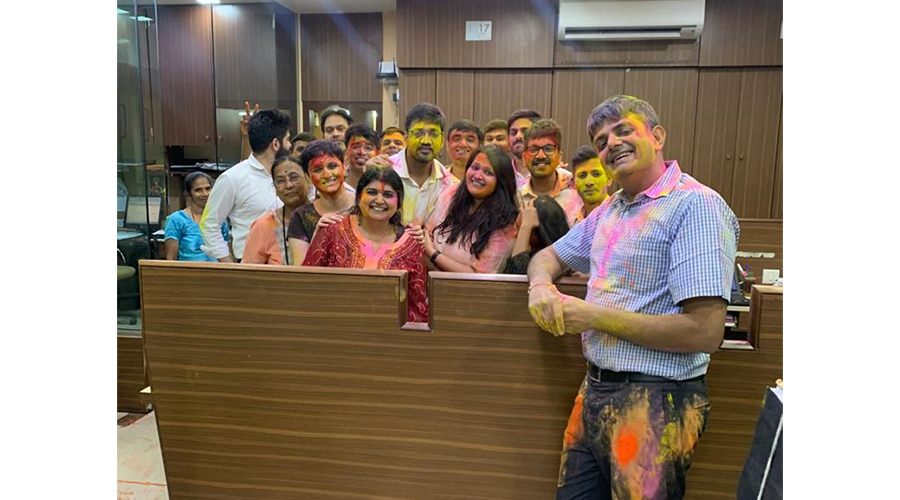
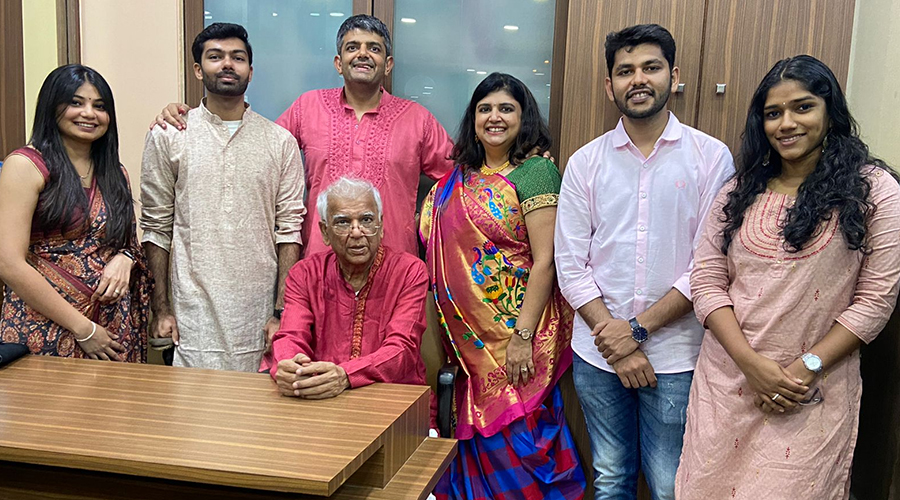
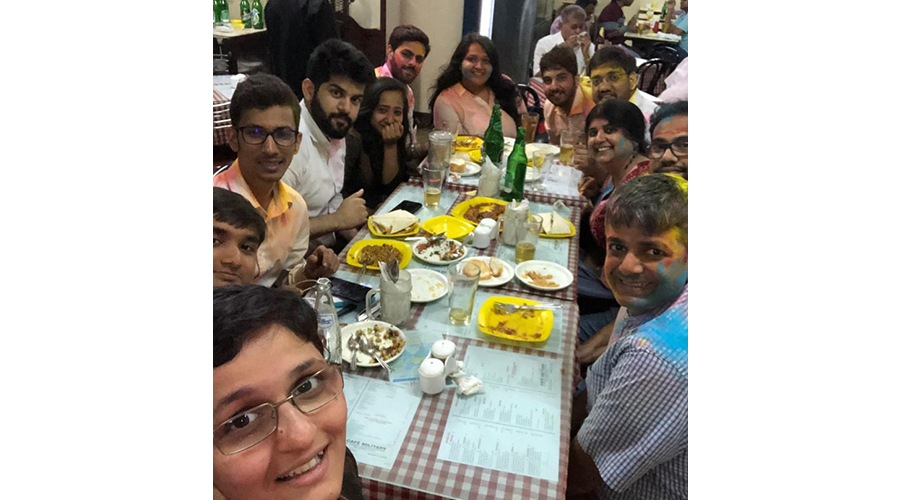
LIFE AT MHCO











PRACTICE AREA
Private Limited Company Registration in India
Setting up a Company in India
Foreign Direct Investment (FDI) in India
Foreign Business Registration in India
Small Business Registration in India
GET IN TOUCH
Mumbai: Surya Mahal, 2nd Floor 5, Burjorji Bharcha Marg Fort, Mumbai-400 023 India
Contact No.: T: +91-22-40565252
E: contact@mhcolaw.com
Delhi: C-9, Lower Ground Floor Jangpura Extension, New Delhi-110 0014 India
Contact No.: T: +91-11-40196496
E: contact@mhcolaw.com
Contact No.: T: +91-22-40565252
E: contact@mhcolaw.com
Delhi: C-9, Lower Ground Floor Jangpura Extension, New Delhi-110 0014 India
Contact No.: T: +91-11-40196496
E: contact@mhcolaw.com
2025 - MANSUKHLAL HIRALAL & CO.
Need Help? Chat with us