






MSI Is A Global Association Of Over 250 Independent Legal And Accounting Firms In More Than 100 Countries. MSI Has A Successful Track Record Of More Than 25 Years And The Firm Has Recently Been Selected To Represent Mumbai, India.
Please Click Here To See MSI’s Info Graphic Which Highlights Key Facts Of The About. With The Membership At MSI, The Firm Has Now Access To 253 Legal And Accounting Firms Worldwide For Its Clients Who Desire To Do Cross Border Transactions Across The World.

Securing and protecting your brand identity is a critical step for any business, whether domestic or international. MHCO, recognised as the best trademark law firm and lawyers in Mumbai, India, provides specialised expertise to safeguard trademark, ensuring that businesses can maintain their brand integrity, prevent unauthorised use, and leverage intellectual property assets effectively. With a thorough understanding of Indian trademark regulations and global best practices, experienced trademark lawyers guide clients through every stage of the trademark lifecycle, from application to enforcement.
Understanding Trademark Laws in India
Trademarks are not just logos or symbols; they represent the essence of a brand and its recognition in the marketplace. A trademark can include a name, logo, design, slogan, or a combination, legally protecting it from imitation or unauthorised use. Understanding trademark laws in India is vital to ensure comprehensive protection. The legal framework governs the registration, enforcement, and renewal of trademarks, providing remedies against infringement. Our approach reflects an in-depth understanding of trademark laws in India, focusing on both strategic advisory and practical implementation. This ensures businesses can establish strong brand recognition while navigating complex regulatory requirements. Trademark protection is increasingly vital in a globalised economy, where cross-border enforcement and licensing often come into play.
Expertise as a Top Trademark Law Firm and Attorneys in Mumbai, India
Leading businesses require legal partners with recognised expertise and proven results. As a top trademark law firm and attorneys in Mumbai, India, our lawyers provide strategic guidance tailored to each client’s brand portfolio. From start-ups to multinational corporations, our services are designed to protect and maximise the value of trademarks. Our lawyers are equipped to handle diverse trademark matters, including registration, licensing, enforcement, and dispute resolution. With extensive experience representing clients in complex cases, we have earned recognition among the top trademark lawyers in India. We combine legal precision with strategic foresight, ensuring that every decision enhances brand security and long-term value.
Trademark Search and Clearance
A comprehensive trademark search is the cornerstone of a successful registration. Prior to filing, our team conducts meticulous searches to identify potential conflicts, assess registrability, and mitigate the risk of opposition or litigation. By leveraging advanced databases and market intelligence, our lawyers evaluate similarity, likelihood of confusion, and existing trademark rights. This proactive approach prevents disputes and establishes a solid foundation for filing, registration, and brand protection. Effective trademark clearance is not just a formality; it safeguards your business reputation and ensures legal compliance from the outset.
Trademark Application and Filing
The trademark application and filing process at MHCO involves drafting a precise application, classifying goods or services accurately, and submitting all documentation in compliance with Indian trademark laws. Our lawyers guide clients through this process, ensuring that applications are robust and objections are anticipated. Accurate filing minimises delays and potential objections, while strategic drafting strengthens the legal position of the mark. Our approach is customised to each client, reflecting their industry, market positioning, and growth strategy. By combining legal expertise with practical insights, we ensure smooth and effective trademark registration outcomes.
Trademark Registration Process in India
The trademark registration process in India is a structured sequence that ensures legal recognition and protection. Key stages include:
- Application Filing: Submission to the Trademark Registry with complete documentation.
- Examination: Assessment of registrability by legal authorities.
- Publication: Public notification to allow objections from third parties.
- Opposition Handling: Addressing any challenges or oppositions raised.
- Registration: Grant of trademark rights and issuance of registration certificate.
Our lawyers meticulously manage each step, responding to objections, liaising with authorities, and guiding clients through potential opposition challenges. The process requires legal precision, and our expertise ensures that each registration is secured efficiently and effectively.
Trademark Protection and Portfolio Management
Protection goes beyond registration. MHCO’s trademark protection services in India involve monitoring, enforcing rights, licensing, and managing renewals, enforcing rights, licensing, and managing renewals. Our lawyers develop strategies to safeguard trademarks from infringement, unauthorised usage, and dilution of brand value. We also advise on portfolio management, helping businesses expand their trademark holdings, coordinate international registrations, and maintain compliance across jurisdictions. This comprehensive approach protects the brand while enhancing its commercial value, particularly for companies seeking global reach.
Trademark Infringement and Dispute Resolution
Despite best efforts, conflicts and infringement issues can arise. Our trademark infringement law firm and lawyers in India represent clients in disputes, offering remedies including injunctions, damages claim, and settlement negotiations. Our team specialises in both litigation and alternative dispute resolution, ensuring that clients achieve effective outcomes. By combining legal acumen with strategic advisory, we protect the commercial and reputational interests of our clients, mitigating risks and enforcing trademark rights decisively.
Industry-Specific Trademark Services
Different sectors require tailored trademark strategies. We provide specialised services across:
- Technology & Software: Protecting software brands, domain names, and digital products.
- Fashion & Lifestyle: Safeguarding clothing, accessories, and lifestyle brand identities.
- FMCG & Retail: Securing packaging, logos, and product designs.
- Entertainment & Media: Protecting creative works, production houses, and content marks.
- Pharmaceuticals & Healthcare: Ensuring brand integrity for drugs, medical devices, and healthcare products.
By understanding sector-specific challenges, our lawyers provide customised trademark strategies that align with business objectives and regulatory requirements.
Why Choose Our Trademark Lawyers?
Choosing the right legal partner is crucial. Our lawyers combine deep legal knowledge, global perspective, and a client-focused approach. They provide strategic guidance, meticulous attention to detail, and proactive solutions tailored to each business. Recognised as one of the best law firms in India, MHCO ensures that every client receives expert advice in trademark law. With a track record of successful registrations, enforcement, and litigation, the firm protects brands and intellectual property assets with precision and foresight.
Frequently Asked Questions (FAQs)
Q1. What can be registered as a trademark in India?
A trademark can protect distinctive signs that identify the source of goods or services, including business names, brand names, logos, words, slogans, letters, numbers, shapes, colours, or combinations of these elements. To qualify for registration, the mark must satisfy the applicable legal requirements and be capable of distinguishing one business from another.
Q2. Should I conduct a trademark search before filing an application?
Yes, conducting a trademark search before filing is advisable. A search helps identify existing registered or pending trademarks that may conflict with the proposed mark, reducing the likelihood of objections or disputes. Although it cannot guarantee registration, an early search supports informed branding and filing decisions.
Q3. Can I use my brand name before my trademark is registered?
Yes, businesses may use a brand name before registration in many situations. However, using an unregistered trademark may provide more limited legal protection than a registered trademark. Businesses should consider the potential risks of adopting a mark that could conflict with existing trademark rights or pending applications.
Q4. What happens if someone opposes my trademark application?
If a trademark application is opposed, the registration process is paused until the opposition is resolved through the prescribed legal procedure. Both parties generally have an opportunity to present evidence and legal arguments. The outcome depends on the facts, applicable trademark law, and the merits of each party's case.
Q5. Can I register the same trademark in multiple countries?
Yes, trademark protection is generally territorial, meaning registration in India does not automatically protect a trademark in other countries. Businesses seeking international protection should consider filing applications in relevant jurisdictions through the appropriate legal mechanisms. The available options depend on the countries where protection is required.
Q6. How do I maintain my trademark rights after registration?
Maintaining trademark rights generally requires continued lawful use of the trademark, monitoring for potential infringements, and complying with applicable renewal and record-keeping requirements. Businesses should also update ownership records where necessary. The ongoing obligations depend on the applicable trademark laws and the circumstances of the trademark owner.
Q7. What are the common mistakes businesses make when registering trademarks?
Common mistakes include choosing descriptive or generic brand names, filing under incorrect classes, failing to conduct availability searches, overlooking conflicting rights, and delaying trademark protection until after product launch. These issues may increase the risk of objections or disputes. Careful planning helps strengthen long-term brand protection.
Q8. Can a trademark be sold, transferred, or inherited in India?
Yes, a registered trademark can generally be assigned, licensed, transferred, or inherited, subject to applicable trademark laws and contractual requirements. These transactions should be properly documented and, where required, recorded with the relevant authorities. The applicable procedures depend on the nature of the transaction and ownership structure.
Q9. Do I need separate trademark registrations for different products or services?
It depends. Trademark protection is granted for specific classes of goods and services. If a business operates across multiple classes, separate applications or broader class coverage may be appropriate. Choosing the correct classes at the filing stage is important to ensure the trademark adequately protects the intended commercial activities.
Q10. Can a startup apply for a trademark before launching its business?
Yes, startups often consider filing trademark applications before launching their products or services. Early filing may help secure brand identity and reduce the risk of conflicts with later applicants. The appropriate filing strategy depends on the startup's branding plans, business activities, and the applicable requirements under trademark law.
Q11. Can two businesses have similar trademarks in India?
Yes, in certain circumstances, similar trademarks may coexist if they relate to different classes of goods or services or are otherwise legally distinguishable. However, where marks are likely to cause consumer confusion or conflict with existing rights, registration may be challenged. Each application is assessed based on its specific facts and applicable law.
Q12. How can businesses monitor and protect their trademarks after registration?
Businesses should actively monitor the marketplace, trademark filings, domain names, and online platforms for potential conflicts or unauthorised use. Regular monitoring enables early identification of possible infringements and supports timely enforcement of trademark rights. An effective trademark management strategy also includes maintaining accurate ownership records and renewal compliance.
OUR CLIENTS






MEDIA COVERAGES
AWARDS & RECOGNITION









AFFILIATIONS & ASSOCIATIONS
MEMBERS OF MSI GLOBAL ALLIANCE

MEMBERS OF ILF
International Law Firms (ILF) Is An International Association Of Independent Smaller And Mid-Sized Law Firms Serving Their Clients’ Needs In Cross Border Business Legal Issues. Our Association With ILF Enables Us To Effectively Assist Clients With Trans-National Legal Issues At Effective Prices.
LIFE AT MHCO



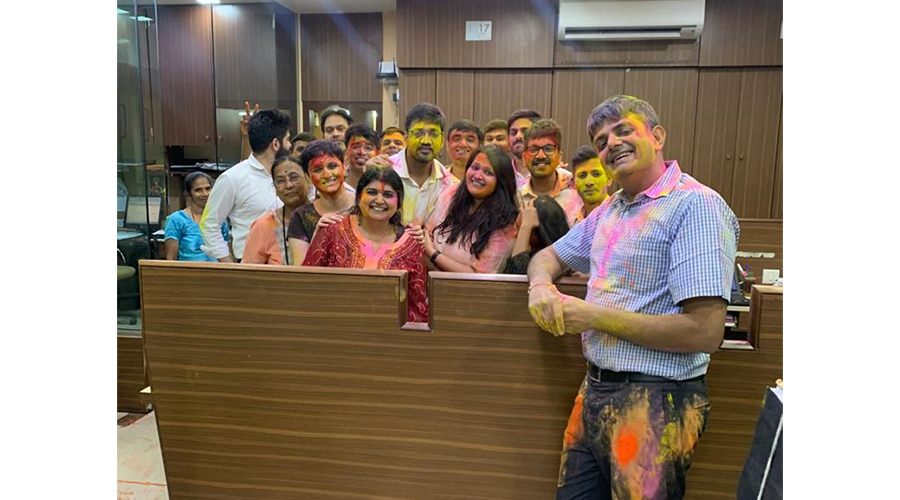
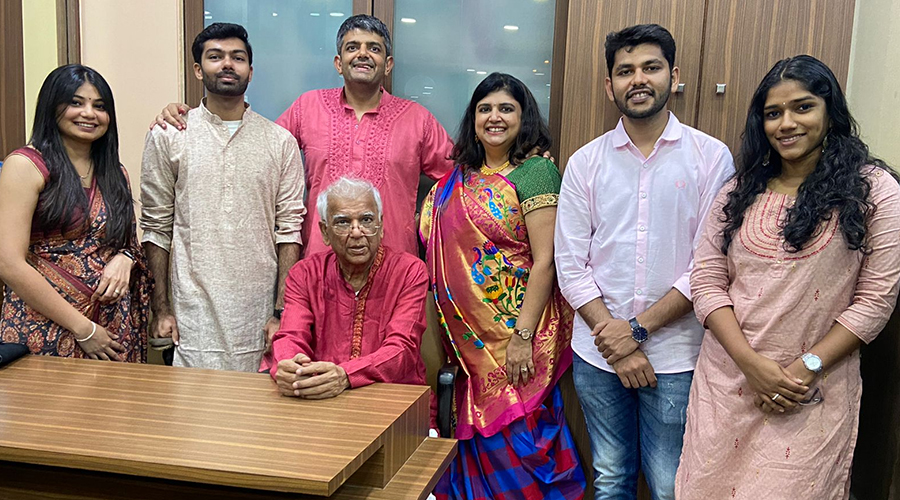



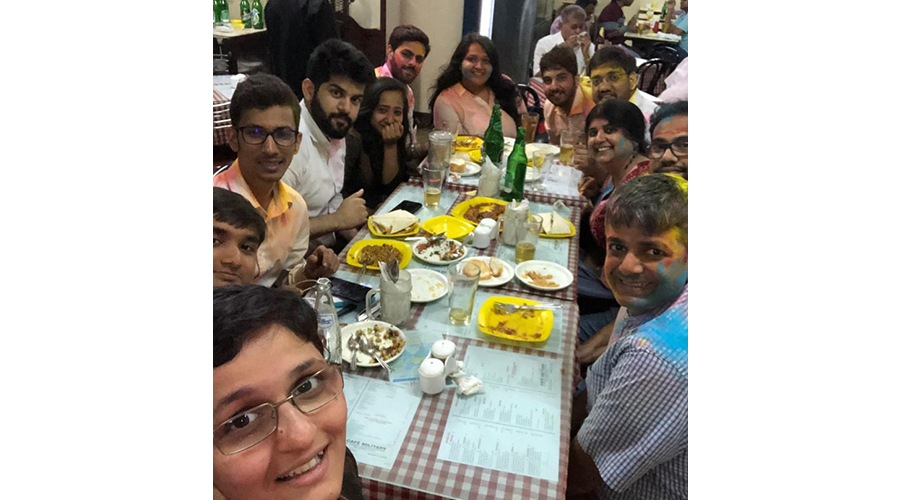

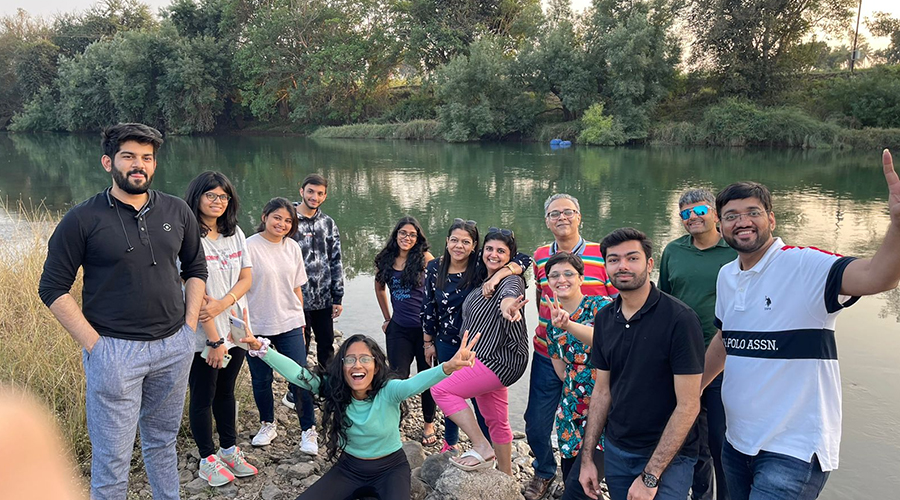


PRACTICE AREA
Private Limited Company Registration in India
Setting up a Company in India
Foreign Direct Investment (FDI) in India
Foreign Business Registration in India
Small Business Registration in India
GET IN TOUCH
Mumbai: Surya Mahal, 2nd Floor 5, Burjorji Bharcha Marg Fort, Mumbai-400 023 India
Contact No.: T: +91-22-40565252
E: contact@mhcolaw.com
Delhi: C-9, Lower Ground Floor Jangpura Extension, New Delhi-110 0014 India
Contact No.: T: +91-11-40196496
E: contact@mhcolaw.com
Contact No.: T: +91-22-40565252
E: contact@mhcolaw.com
Delhi: C-9, Lower Ground Floor Jangpura Extension, New Delhi-110 0014 India
Contact No.: T: +91-11-40196496
E: contact@mhcolaw.com
2025 - MANSUKHLAL HIRALAL & CO.
Need Help? Chat with us