







MSI Is A Global Association Of Over 250 Independent Legal And Accounting Firms In More Than 100 Countries. MSI Has A Successful Track Record Of More Than 25 Years And The Firm Has Recently Been Selected To Represent Mumbai, India.
Please Click Here To See MSI’s Info Graphic Which Highlights Key Facts Of The About. With The Membership At MSI, The Firm Has Now Access To 253 Legal And Accounting Firms Worldwide For Its Clients Who Desire To Do Cross Border Transactions Across The World.

COMPANIES LAW UPDATE | NCDRC HOLDS PARENT COMPANY LIABLE FOR ACTS OF ITS SUBSIDIARY COMPANY

COMPANIES LAW UPDATE | NCDRC HOLDS PARENT COMPANY LIABLE FOR ACTS OF ITS SUBSIDIARY COMPANY
Contributors:
Mr Akash Jain, Associate Partner
Ms Sayali Kshirsagar
OVERVIEW
In a recent Order passed by the National Consumer Disputes Redressal Commission (“NCDRC”) in Prem Prakash Rajpurohit vs M/s Ansal Hi-Tech Township Ltd., dated 08 April 2026, NCDRC determined that a corporate structure cannot be used as a shield to defeat consumer decrees. NCDRC clubbed 70 execution applications and lifted the corporate veil of Ansal Hi-Tech Township Ltd (“AHTTL”) and its parent company named Ansal Properties and Infrastructure Ltd (“APIL”), and treated the two entities as part of the same recovery proceedings because the structure was being misused to avoid execution of the decrees.
BACKGROUND OF THE CASE
AHTTL launched a project named “Sushant Megapolis Project”, a residential housing project in Greater Noida. However, AHTTL delayed the possession of the homebuyers for more than 18 years. The homebuyers, aggrieved by the delayed possession approached NCDRC by way of consumer complaints, considering the high value of the claims involved. The homebuyers sought refund of amounts paid along with interest and compensation for the delay. The NCDRC, upon examining the material of record, allowed the complaint filed by the homebuyers and directed AHTTL to refund the principal amount along with applicable interest and litigation costs. However, AHTTL failed to comply with the directions pursuant to which, the homebuyers initiated execution proceedings. During the course of such proceedings, NCDRC noted that AHTTL lacked sufficient independent financial capacity to comply with the decrees and that there existed significant overlap in control and asset structuring with its parent company, namely APIL. Thereafter, AHTTL resisted to seek the execution stating that APIL is under Moratorium under Section 14 of the Insolvency and Bankruptcy Code, 2016 (“IBC”), contending that all recovery and enforcement actions must remain stayed.
COMPLAINANT’S CONTENTION
- The homebuyers submitted that APIL was not merely a shareholder of AHTTL; instead, the controlling power was with APIL. APIL held more than 50% shareholding in AHTTL, both entities had common directors and Key Managerial Personnel.
- Homebuyers pointed to documents like legal termination notice, collaboration agreements, and power of attorney to show that APIL was controlling AHTTL.
- Homebuyer further contended that the moratorium is restricted to only certain projects of the APIL and the Sushant Megapolis Project is not covered under the moratorium.
- Lastly, the homebuyers submitted that the corporate veil should be lifted and that APIL should be made liable to execute the consumer decrees, because otherwise the orders of the NCDRC would be rendered ineffective.CONTENTIONS OF APIL & AHTTL
- APIL resisted the liability of AHTTL on the ground that the parent company and subsidiary company are separate legal entity and contended that mere shareholding or ownership does not make a parent company liable for the debts of its subsidiary
- AHTTL submitted that APIL was not a party to the original consumer complaints and no decree had been passed directly against APIL, and that execution could not be used to create a new liability.
- Further, with regard to the moratorium, it was submitted that the insolvency proceedings are in effect due to whichall recovery actions must be stayed, including consumer execution proceedings.
RULING
The NCDRC held that the doctrine of separate legal personality cannot be invoked to defeat consumer decrees where the parent company exercises active control over the subsidiary company. On examining the material on record, NCDRC found that APIL was not a mere shareholder but had substantial control over AHTTL’s management, finances, and project execution, with clear overlap in directors, decision-making, and asset structuring. On that basis, it concluded that the parent company and those responsible for its affairs could not escape execution and thereafter it was a fit case to lift the the corporate veil. NCDRC further held that APIL could be proceeded against for execution of the decrees. The defence of moratorium under the IBC was also rejected, as it did not extend to shield the parent company in respect of liabilities arising from a project not covered under the insolvency process.
MHCO COMMENT
This order reinforces that corporate structuring cannot be used as a device to evade legal obligations and limits the misuse of the corporate veil. The NCDRC has made it clear that where a parent company exercises effective control over a subsidiary, it may be held accountable for the subsidiary’s defaults, especially when the subsidiary is used as an instrument to carry out the parent company’s business. It clarifies that parent companies cannot escape responsibility where they are, in reality, the very decision maker behind the subsidiary company’s actions.
This update was released on 24 Apr 2026.
The views expressed in this update are personal and should not be construed as any legal advice. Please contact us directly on +91 22 40565252 or contact@mhcolaw.com for any assistance.
Legal Update Team
MANSUKHLAL HIRALAL & COMPANY
Advocates, Solicitors and Notaries
T: +91 22 40565252
Mumbai Office: Surya Mahal, 2nd Floor, 5, Burjorji Bharucha Marg, Fort, Mumbai-400 023, India
Delhi Office: Block C-9, Lower Ground Floor, Jangpura Extension, New Delhi - 110 014, India
www.mhcolaw.com
"Noted lawyer in the Real Estate practitioner from India" - Chambers & Partners
Please consider the environment before printing this email
The information contained in this communication is intended solely for the use of the individual or entity to whom it is addressed and others authorized to receive it. This communication may contain confidential or legally privileged information. If you are not the intended recipient, any disclosure, copying, distribution or action taken relying on the contents is prohibited and may be unlawful. If you have received this communication in error, or if you or your employer does not consent to email messages of this kind, please notify the sender immediately by responding to this email and then delete it from your system. No liability is accepted for any harm that may be caused to your systems or data by this message.
Subscribe to our Knowledge Repository
If you would like to receive content directly in your inbox from our knowledge repository, please complete this subscription form.
OUR CLIENTS





MEDIA COVERAGES
AWARDS & RECOGNITION









AFFILIATIONS & ASSOCIATIONS
MEMBERS OF MSI GLOBAL ALLIANCE

MEMBERS OF ILF
International Law Firms (ILF) Is An International Association Of Independent Smaller And Mid-Sized Law Firms Serving Their Clients’ Needs In Cross Border Business Legal Issues. Our Association With ILF Enables Us To Effectively Assist Clients With Trans-National Legal Issues At Effective Prices.
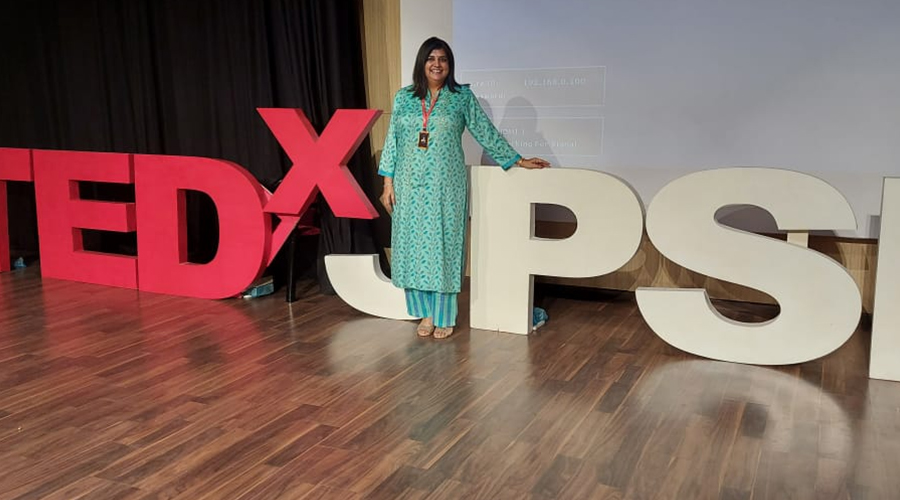
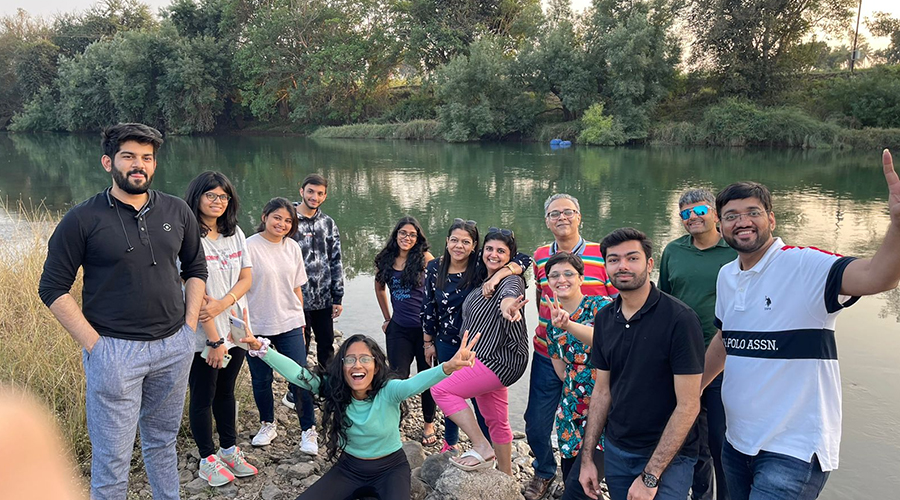
LIFE AT MHCO








PRACTICE AREA
Private Limited Company Registration in India
Setting up a Company in India
Foreign Direct Investment (FDI) in India
Foreign Business Registration in India
Small Business Registration in India
GET IN TOUCH
Mumbai: Surya Mahal, 2nd Floor 5, Burjorji Bharcha Marg Fort, Mumbai-400 023 India
Contact No.: T: +91-22-40565252
E: contact@mhcolaw.com
Delhi: C-9, Lower Ground Floor Jangpura Extension, New Delhi-110 0014 India
Contact No.: T: +91-11-40196496
E: contact@mhcolaw.com
Contact No.: T: +91-22-40565252
E: contact@mhcolaw.com
Delhi: C-9, Lower Ground Floor Jangpura Extension, New Delhi-110 0014 India
Contact No.: T: +91-11-40196496
E: contact@mhcolaw.com
2025 - MANSUKHLAL HIRALAL & CO.
Need Help? Chat with us