








MSI Is A Global Association Of Over 250 Independent Legal And Accounting Firms In More Than 100 Countries. MSI Has A Successful Track Record Of More Than 25 Years And The Firm Has Recently Been Selected To Represent Mumbai, India.
Please Click Here To See MSI’s Info Graphic Which Highlights Key Facts Of The About. With The Membership At MSI, The Firm Has Now Access To 253 Legal And Accounting Firms Worldwide For Its Clients Who Desire To Do Cross Border Transactions Across The World.
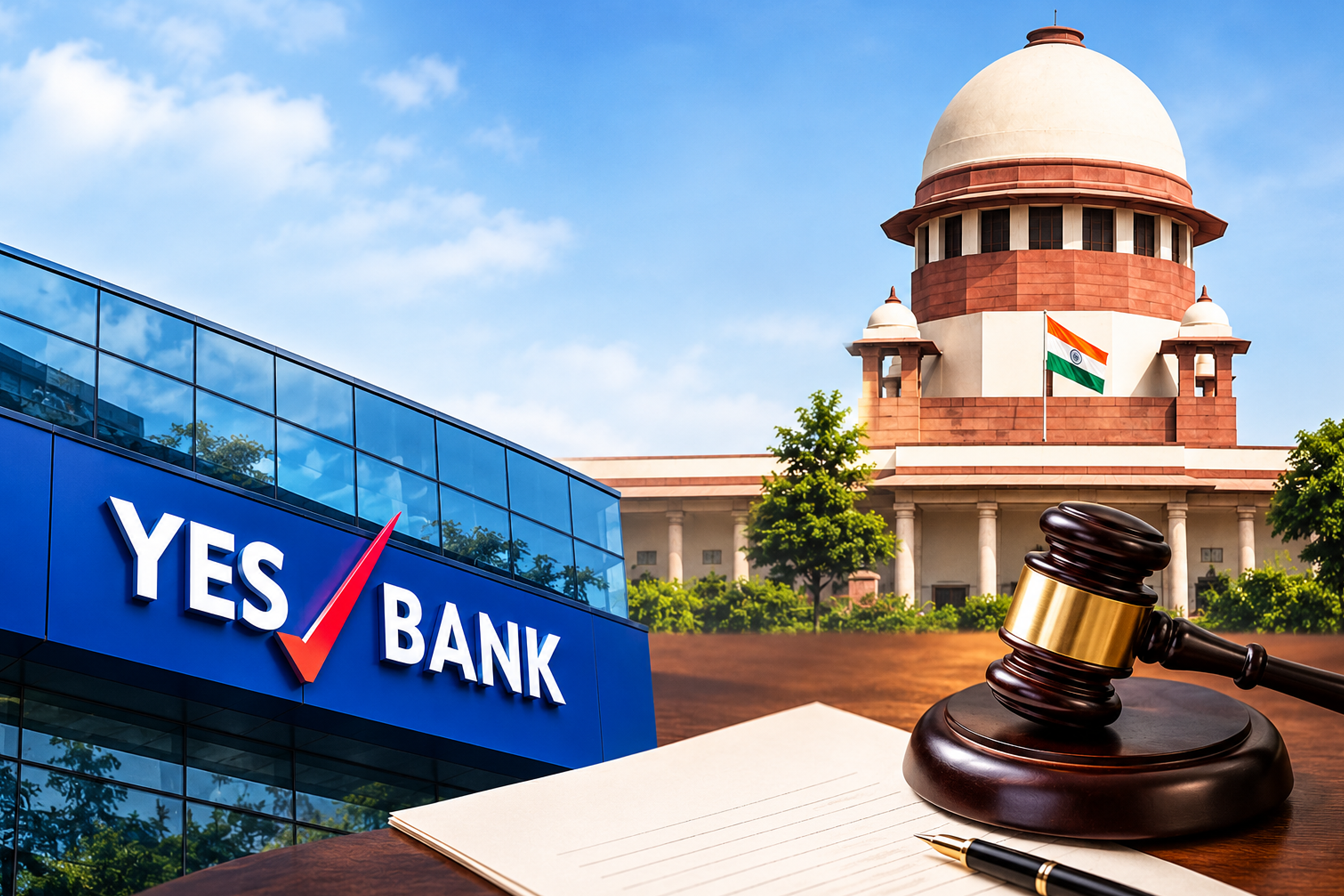
MHCO UPDATE |SUPREME COURT HOLDS YES BANK ADMINISTRATOR LACKED AUTHORITY
TO WRITE OFF RS. 8,415 CRORE AT-1 BONDS

MHCO UPDATE |SUPREME COURT HOLDS YES BANK ADMINISTRATOR LACKED AUTHORITY TO WRITE OFF RS. 8,415 CRORE AT-1 BONDS
In Yes Bank Limited & Anr. v. Axis Trustee Services Limited & Ors. (Civil Appeal No. 3182 of 2025 and connected matters, judgment dated 15 October 2026), the Supreme Court dismissed the appeals and upheld the Bombay High Court’s decision setting aside the write-down of Yes Bank’s Basel III-compliant Additional Tier 1 (“AT-1”) Bonds. The Court held that the Administrator could not write down the bonds contrary to the final Reconstruction Scheme or exercise a regulatory power vested in the Reserve Bank of India (“RBI”).
BACKGROUND
Yes Bank issued AT-1 Bonds worth Rs. 3,000 crores in December 2016 and Rs. 5,415 crore in October 2017. Following a steep deterioration in Yes Bank’s financial position, the Central Government imposed a moratorium on 5 March 2020, and the RBI appointed an Administrator. A draft reconstruction scheme published on 6 March 2020 expressly provided for the AT-1 Bonds to be permanently written down in full. However, the final Yes Bank Limited Reconstruction Scheme, notified on 13 March 2020, omitted that clause. On 14 March 2020, the Administrator nevertheless ordered a full write-down of the Rs. 8,415 crore AT-1 Bonds. Therefore, the trustee and bondholders challenged the action, and the Bombay High Court set it aside.
CONTENTIONS OF THE PARTIES
The appellants, including Yes Bank, the RBI and the Union of India, contended that the Administrator was empowered under Section 36ACA of the Banking Regulation Act, 1949 (“Banking Regulation Act”), the RBI’s Master Circular on Basel III Capital Regulations and the Information Memorandum to write down the bonds. They argued that invocation of Section 45 of the Banking Regulation Act triggered the point of non-viability and that the write-down, followed by SBI’s infusion of capital, was necessary to revive Yes Bank. They also argued that the reconstruction process continued after notification of the Scheme.
The respondents contended that the final Reconstruction Scheme deliberately omitted the draft provision for writing down the bonds. They argued that the Administrator could not write down the bonds after the Scheme came into force and that, under the Master Circular, the relevant action had to be taken before reconstruction. They further submitted that the power to determine the write-down at the point of non-viability belonged to the RBI, not the Administrator.
COURT’S FINDINGS
The Court held that the omission of the write-down clause from the final Reconstruction Scheme reflected a conscious decision not to deal with the bonds through the Scheme. The Administrator could not reverse that decision. A general clause preserving existing instruments did not confer a specific power to write down the bonds; the action was therefore ultra vires the Master Circular read with the Reconstruction Scheme.
The Court further held that the phrase “before reconstitution” in the Master Circular meant before the Reconstruction Scheme came into force, and not at any time while the Scheme’s effects continued. Once the point of non-viability was triggered, the RBI was required to determine the treatment of the bonds. The Administrator, whose statutory role was to act as a substitute for the Board of Directors, could not assume the RBI’s regulatory power. The Court observed that financial necessity could not excuse non-compliance with the prescribed procedure. It accordingly dismissed the appeals and clarified that its observations would not influence other pending proceedings.
MHCO COMMENT
The judgment reinforces that regulatory and administrative powers must be exercised strictly within the limits prescribed by statute and the applicable regulatory framework. The commercial necessity of rescuing a bank cannot override the authority, timing and procedure mandated by law.
The decision is also significant for the distinction it draws between the Administrator’s powers as a substitute for the Board of Directors and the RBI’s independent regulatory powers. The Administrator cannot assume a function specifically entrusted to the RBI. Further, a general provision preserving existing contracts cannot be used to imply a specific power that the final Reconstruction Scheme has omitted.
For market participants and financial institutions, the judgment highlights the importance of consistency between a reconstruction scheme, the RBI’s capital regulations and the terms of the relevant bond documentation. It also draws attention to investor-protection concerns surrounding the sale of complex, high-risk capital instruments to retail investors.
Date: 19 October 2026
By:
- Mr. Bhushan Shah, Partner
- Ms. Sayali Kshirsagar, Associate
- Mr. Abhishek Nair, Associate
Disclaimer: This legal update is intended for general information purposes only and does not constitute legal advice. Readers are advised to seek specific legal advice before acting upon any information contained herein.
This update was released on 20 Oct 2026.
The views expressed in this update are personal and should not be construed as any legal advice. Please contact us directly on +91 22 40565252 or contact@mhcolaw.com for any assistance.
Legal Update Team
MANSUKHLAL HIRALAL & COMPANY
Advocates, Solicitors and Notaries
T: +91 22 40565252
Mumbai Office: Surya Mahal, 2nd Floor, 5, Burjorji Bharucha Marg, Fort, Mumbai-400 023, India
Delhi Office: Block C-9, Lower Ground Floor, Jangpura Extension, New Delhi - 110 014, India
www.mhcolaw.com
"Noted lawyer in the Real Estate practitioner from India" - Chambers & Partners
Please consider the environment before printing this email
The information contained in this communication is intended solely for the use of the individual or entity to whom it is addressed and others authorized to receive it. This communication may contain confidential or legally privileged information. If you are not the intended recipient, any disclosure, copying, distribution or action taken relying on the contents is prohibited and may be unlawful. If you have received this communication in error, or if you or your employer does not consent to email messages of this kind, please notify the sender immediately by responding to this email and then delete it from your system. No liability is accepted for any harm that may be caused to your systems or data by this message.
Subscribe to our Knowledge Repository
If you would like to receive content directly in your inbox from our knowledge repository, please complete this subscription form.
OUR CLIENTS







MEDIA COVERAGES
AWARDS & RECOGNITION









AFFILIATIONS & ASSOCIATIONS

MEMBERS OF MSI GLOBAL ALLIANCE

MEMBERS OF ILF
International Law Firms (ILF) Is An International Association Of Independent Smaller And Mid-Sized Law Firms Serving Their Clients’ Needs In Cross Border Business Legal Issues. Our Association With ILF Enables Us To Effectively Assist Clients With Trans-National Legal Issues At Effective Prices.
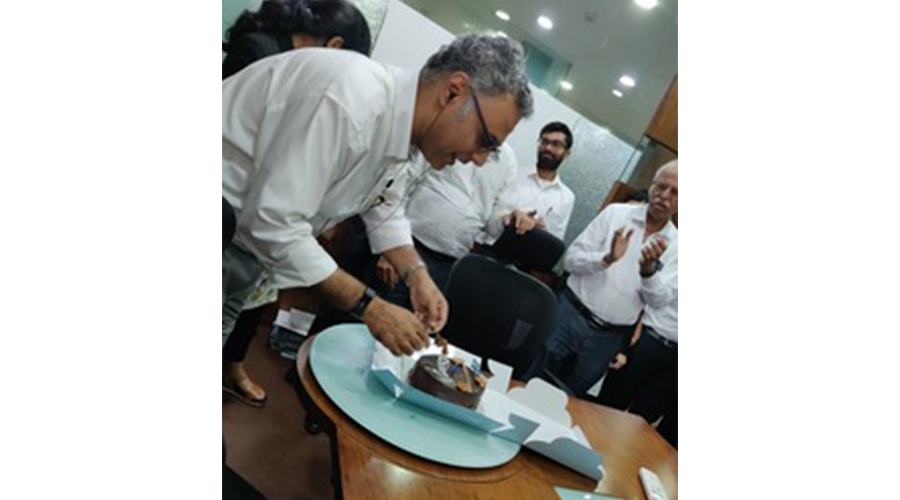
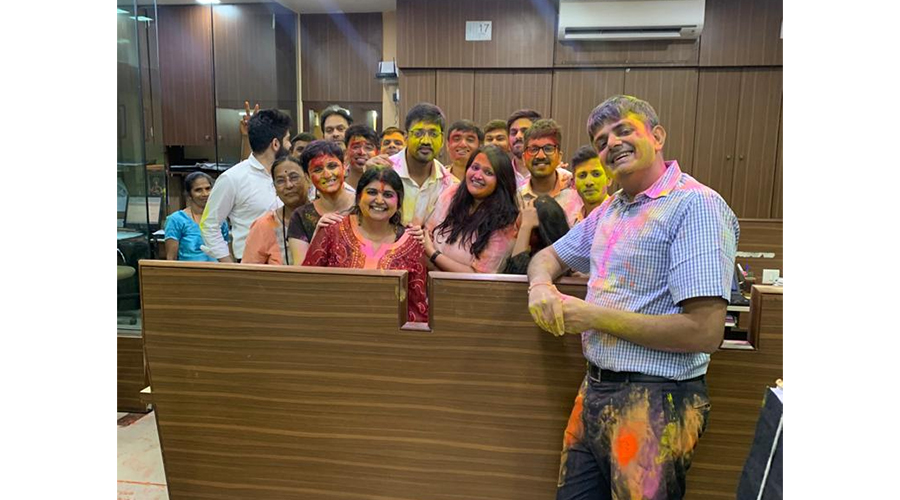
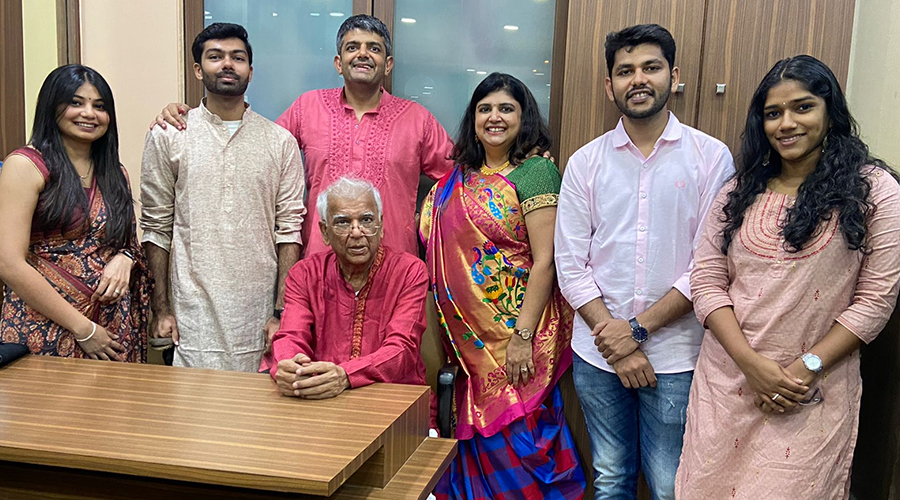
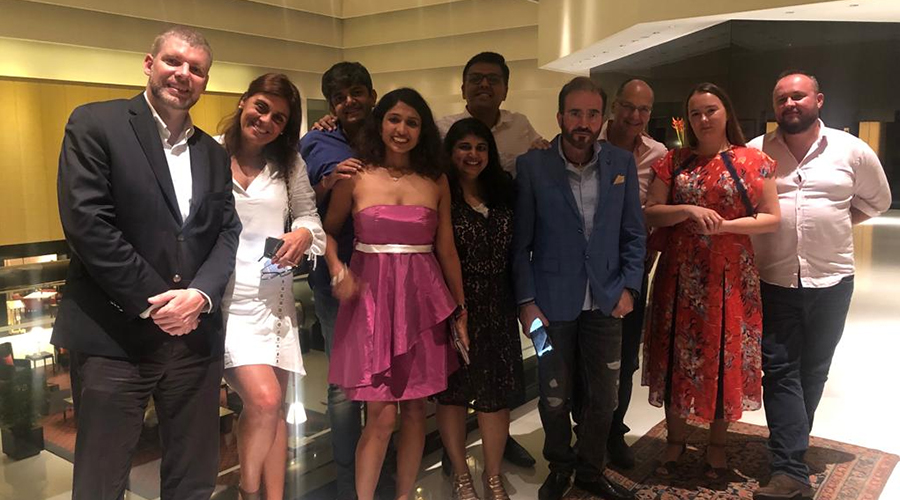
LIFE AT MHCO










PRACTICE AREA
Private Limited Company Registration in India
Setting up a Company in India
Foreign Direct Investment (FDI) in India
Foreign Business Registration in India
Small Business Registration in India
GET IN TOUCH
Mumbai: Surya Mahal, 2nd Floor 5, Burjorji Bharcha Marg Fort, Mumbai-400 023 India
Contact No.: T: +91-22-40565252
E: contact@mhcolaw.com
Delhi: C-9, Lower Ground Floor Jangpura Extension, New Delhi-110 0014 India
Contact No.: T: +91-11-40196496
E: contact@mhcolaw.com
Contact No.: T: +91-22-40565252
E: contact@mhcolaw.com
Delhi: C-9, Lower Ground Floor Jangpura Extension, New Delhi-110 0014 India
Contact No.: T: +91-11-40196496
E: contact@mhcolaw.com
2025 - MANSUKHLAL HIRALAL & CO.
Need Help? Chat with us