






MSI Is A Global Association Of Over 250 Independent Legal And Accounting Firms In More Than 100 Countries. MSI Has A Successful Track Record Of More Than 25 Years And The Firm Has Recently Been Selected To Represent Mumbai, India.
Please Click Here To See MSI’s Info Graphic Which Highlights Key Facts Of The About. With The Membership At MSI, The Firm Has Now Access To 253 Legal And Accounting Firms Worldwide For Its Clients Who Desire To Do Cross Border Transactions Across The World.

Civil disputes in Delhi can involve property ownership, possession, inheritance, commercial agreements, unpaid dues, tenancy arrangements and contractual obligations. Resolving these matters requires an understanding of the applicable Indian laws as well as the court procedures and jurisdictional requirements relevant to Delhi. MHCO provides legal assistance in civil litigation and dispute resolution for individuals, families, property owners, businesses and other stakeholders. Our services include property litigation, money recovery, contractual disputes, injunctions, partition matters, landlord and tenant disputes, commercial litigation, civil appeals and enforcement proceedings. We assist clients with legal assessment, preparation of pleadings, court representation, negotiations and available legal remedies.
Civil Litigation Services We Provide in Delhi
Civil disputes in Delhi arise in different settings, from residential and commercial property transactions to business contracts, financial arrangements and family-owned assets. The legal issues may involve ownership documents, agreements, payment records, possession, statutory rights or the conduct of the parties. The appropriate remedy depends on the facts, the value and nature of the claim, territorial jurisdiction and the court or forum authorised to hear the matter. MHCO assists clients with civil litigation matters connected with Delhi, including disputes involving property transactions, contractual obligations, recovery claims and other civil rights. We examine the available documents, identify the legal issues and advise on the appropriate proceedings, interim relief or settlement options.
1. Property Disputes, Ownership and Possession
Property disputes in Delhi may arise from sale and purchase transactions, disagreements over title, inheritance, joint ownership, possession, development arrangements or breaches of property agreements. Such matters can involve residential properties, builder floors, apartments, commercial premises, plots and other immovable assets. Disputes may also concern documentation relating to DDA-allotted properties, leasehold interests, conversion, transfer or competing claims over ownership. MHCO assists clients with title and document review, ownership declarations, partition claims, recovery of possession and other property-related civil proceedings. We assess the chain of title, sale documents, allotment or lease records, possession evidence and relevant correspondence to determine the available legal remedies. The appropriate action depends on the nature of the property, the parties' rights and the documents governing the transaction.
2. Money Recovery and Contractual Disputes
Financial and contractual disputes in Delhi may arise from unpaid invoices, business transactions, loans, service agreements, construction contracts, supply arrangements and other commercial dealings. A party's failure to fulfil payment or performance obligations can lead to a civil recovery claim or other contractual remedies. We assist individuals and businesses with reviewing agreements, invoices, payment records, correspondence and acknowledgements of liability. Our services include legal notices, preparation of recovery claims, responses to contractual allegations and representation in appropriate civil proceedings. Where the legal requirements are satisfied, we also advise on summary suits and other available procedures for recovery.
3. Injunctions and Urgent Civil Relief
Injunctions may be necessary where a party faces a risk of dispossession, unauthorised interference with property, breach of contractual obligations or other conduct affecting legally protected interests. In Delhi property disputes, urgent relief may be relevant where there is a threat of creating third-party rights, changing the nature of a property or obstructing lawful possession. MHCO assists with applications for temporary, interim and permanent injunctions, depending on the circumstances and applicable legal principles. We examine the supporting documents, urgency, balance of convenience and potential harm before advising on the relief that may be sought from the competent court.
4. Partition and Family Property Disputes
Disputes concerning inherited property, jointly owned houses, family assets and undivided shares are common sources of civil litigation. In Delhi, these disagreements may concern properties acquired by family members, inherited residential premises, jointly held plots or other immovable assets. Disputes can arise when parties disagree over ownership shares, possession, division or the validity of family arrangements. We assist with partition suits, declarations of ownership and related claims involving possession and property rights. Our assessment considers title documents, succession-related records, family arrangements and the legal basis of each party's claim.
5. Specific Performance of Contracts
Property transactions and commercial agreements may give rise to disputes when one party fails to complete an agreed obligation. For example, a buyer or seller may dispute the performance of an agreement to sell, payment of consideration, completion of transfer formalities or compliance with contractual conditions. MHCO assists clients with disputes involving specific performance of contracts and other appropriate remedies. We review the agreement, payment history, correspondence, conduct of the parties and applicable legal requirements before advising whether proceedings for specific performance, compensation or another remedy may be appropriate.
6. Commercial and Business Civil Disputes
Delhi's business environment includes trading businesses, professional service providers, suppliers, contractors, real estate companies and corporate organisations. Commercial disagreements may involve unpaid invoices, breach of business agreements, partnership obligations, supply contracts, service arrangements and disputes over contractual performance. MHCO assists businesses and companies with commercial civil disputes, including legal notices, claim preparation, defence of proceedings and dispute resolution. Where a dispute falls within the statutory framework of the Commercial Courts Act, 2015, we advise on the relevant requirements, including the applicable procedure and pre-institution mediation provisions where required.
7. Landlord and Tenant Disputes
Landlord and tenant disputes in Delhi may concern residential accommodation, commercial premises, lease terms, rent arrears, security deposits, termination notices, subletting, possession and alleged breaches of tenancy obligations. The applicable legal route depends on the terms of the tenancy, the nature of the premises, the rent and the governing legislation. We assist landlords, tenants and property owners with reviewing lease and rent agreements, issuing or responding to notices, assessing termination rights and pursuing or defending appropriate proceedings. Where the Delhi Rent Control Act, 1958 applies, the statutory rights and procedures under that legislation must be considered. Other tenancies may be governed by their contractual terms and the applicable provisions of property law.
8. Appeals, Execution and Enforcement Proceedings
A civil dispute may continue after the trial court has delivered its judgment or passed a decree. A party may need to challenge the decision, seek enforcement of a decree or respond to execution proceedings. These matters require attention to limitation periods, the nature of the order and the procedural requirements of the relevant court. MHCO assists with civil appeals, execution petitions, enforcement of decrees and related applications. We review the original judgment, pleadings, evidence and procedural history before advising on the available options.
Who We Represent in Civil Litigation Matters?
Civil litigation in Delhi affects individuals, families, property owners, business organisations and commercial stakeholders. Each category of dispute raises different legal and practical considerations, whether the matter concerns a residential property, a commercial transaction, an inherited asset or a contractual obligation. MHCO assists clients in protecting their legal interests through appropriate advice, case preparation and representation in civil proceedings.
1. Individuals, Families and Property Owners
We assist individuals and families involved in property ownership disputes, partition claims, inheritance-related disagreements, possession matters, money recovery claims and other civil proceedings. This may include disputes involving residential properties, jointly owned assets, sale agreements and family property arrangements in Delhi. Our work includes reviewing documents, assessing legal rights and representing clients before the competent courts.
2. Businesses, Companies and Corporate Entities
Businesses operating in Delhi may encounter disputes involving commercial contracts, unpaid dues, service agreements, supply arrangements, partnership obligations and business transactions. We assist companies and corporate entities with evaluating claims, issuing legal notices, preparing pleadings and pursuing or defending civil and commercial proceedings.
3. Builders, Developers and Real Estate Stakeholders
Delhi's real estate sector involves property owners, developers, contractors, buyers and other stakeholders with interests in residential and commercial projects. Disputes may arise from development agreements, sale transactions, construction obligations, possession commitments, title issues and contractual defaults. We assist with civil disputes involving these relationships, while considering whether any separate statutory or regulatory remedy may also apply.
4. Financial Institutions and Commercial Organisations
Financial institutions and commercial organisations may face disputes concerning loans, outstanding payments, contractual obligations, guarantees, recovery claims and enforcement of legal rights. We assist with reviewing transaction records, assessing the legal basis of claims and pursuing or defending appropriate civil proceedings.
Civil Litigation Across Delhi Courts
The appropriate court for a civil dispute in Delhi depends on factors such as the nature of the claim, territorial jurisdiction, valuation, subject matter and applicable law. Delhi's district judiciary operates through court complexes serving different judicial districts. These include Tis Hazari Courts, Karkardooma Courts, Saket Courts, Rohini Courts, Dwarka Courts and Patiala House Courts. The district allocation is relevant when determining where proceedings may need to be instituted or defended.
For example, Tis Hazari Courts serve the Central and West Districts, Karkardooma Courts serve the East, North-East and Shahdara Districts, and Saket Courts serve the South and South-East Districts. Rohini Courts serve the North and North-West Districts, Dwarka Courts serve the South-West District, and Patiala House Courts serve the New Delhi District. The correct forum must still be determined by applying the relevant jurisdictional rules to the particular dispute.
Civil matters involving Delhi High Court jurisdiction may require a different litigation strategy from proceedings before the district courts. The Delhi High Court, situated on Sher Shah Road, New Delhi, deals with matters falling within its original, appellate and other statutory jurisdiction. Commercial disputes may also be brought before designated commercial courts where the statutory requirements are met.
The local context can be particularly important in property and tenancy litigation. A dispute involving a property in South Delhi, Dwarka, Rohini, East Delhi, West Delhi or the New Delhi area may require examination of the property's location, title records, transaction documents and the territorial jurisdiction of the competent court. Similarly, landlord and tenant matters require consideration of the applicable tenancy framework and the forum authorised to hear the claim.
MHCO assists clients in assessing the appropriate legal forum, preparing pleadings and supporting documents, and pursuing or defending civil proceedings. Whether a matter concerns property ownership, recovery of money, a commercial contract or an injunction, the legal strategy must reflect the facts of the dispute and the jurisdictional requirements applicable in Delhi.
Our Approach to Civil Litigation: Legal Assessment, Case Preparation and Court Representation
Effective civil litigation begins with understanding the dispute, the client's legal rights and the relief available under applicable law. MHCO reviews relevant agreements, title documents, property records, correspondence, notices, financial records and other evidence before advising on the legal position. For Delhi-based property and contractual disputes, this may also involve examining the location of the property, the parties' obligations and the court or forum with jurisdiction.Depending on the circumstances, the next steps may include issuing a legal notice, initiating proceedings, preparing a written response, seeking interim relief or exploring settlement. Where litigation is necessary, we assist with drafting and reviewing pleadings, preparing supporting documents and presenting the client's case before the competent court. We also advise on procedural developments, appeals and enforcement where required.
Why Choose MHCO for Civil Litigation and Dispute Resolution in Delhi?
Choosing legal representation for a civil dispute requires consideration of the subject matter, the applicable law, the evidence available and the legal remedy being pursued. MHCO approaches civil litigation through careful assessment of the facts, relevant documents, jurisdictional requirements and available remedies. We assist clients with disputes involving Delhi property transactions, ownership and possession, contractual obligations, financial claims, commercial relationships and tenancy matters. Our work covers legal advice, case preparation, court representation and dispute resolution, with attention to the procedural requirements and practical implications of each matter. Clients seeking assistance with civil disputes can also explore our wider practice through Civil Lawyers India.
Frequently Asked Questions (FAQs)
Q1. What does a civil lawyer in Delhi handle?
A civil lawyer in Delhi handles non-criminal disputes involving legal rights and obligations. These may include property ownership and possession disputes, money recovery, contractual disagreements, partition claims, injunctions, landlord and tenant matters, commercial disputes and civil appeals.
Q2. When should I consult a civil litigation lawyer in Delhi?
You should consider consulting a civil litigation lawyer when a dispute affects your property, contractual rights, financial interests or other civil entitlements. Early advice can help clarify your legal position, preserve evidence, identify limitation periods and determine the appropriate court or legal remedy in Delhi.
Q3. Can a civil lawyer help with property disputes in Delhi?
Yes. A civil lawyer can assist with disputes involving ownership, title, possession, partition, inheritance, sale agreements and other property-related rights. The appropriate remedy depends on the property documents, the parties involved, the location of the property and the nature of the dispute.
Q4. Which court should I approach for a civil property dispute in Delhi?
The appropriate court depends on territorial and pecuniary jurisdiction, the subject matter and the relief sought. Delhi has several district court complexes, including Tis Hazari, Saket, Patiala House, Karkardooma, Rohini and Dwarka. A lawyer can assess the facts and determine the appropriate forum before proceedings are initiated.
Q5. Can I obtain an injunction in a property dispute in Delhi?
A party may seek temporary or permanent injunctive relief where the legal requirements are satisfied. Such relief may be relevant where there is a risk of dispossession, interference with possession, unauthorised construction or creation of third-party interests. The court considers the facts, evidence and applicable legal principles before granting relief.
Q6. How can I recover outstanding money through civil proceedings in Delhi?
Depending on the nature of the claim and supporting documents, recovery may be pursued through an ordinary civil suit, a summary suit where the legal requirements are met, or another appropriate legal procedure. Agreements, invoices, payment records and correspondence may be relevant in establishing the claim.
Q7. How are landlord and tenant disputes handled in Delhi?
The legal procedure depends on the nature of the tenancy, the premises and the applicable law. Certain tenancies may fall within the Delhi Rent Control Act, 1958, while others may be governed by contractual terms and the applicable property laws. The correct forum and remedy should be assessed before filing proceedings.
Q8. Can a commercial dispute in Delhi be taken to a commercial court?
A commercial dispute may be instituted before a designated commercial court if it meets the requirements of the Commercial Courts Act, 2015, including the applicable specified value and subject matter criteria. Certain disputes may also require pre-institution mediation unless an exception applies.
Q9. Can a civil dispute in Delhi be resolved through mediation?
Yes. Mediation may provide a way to resolve a civil dispute without completing a contested trial, provided the matter is suitable for settlement and the parties are willing to participate. Delhi District Courts have mediation centres at Tis Hazari, Karkardooma, Rohini, Dwarka, Saket and Patiala House.
Q10. Can a civil lawyer in Delhi handle appeals and execution proceedings?
Yes. Legal assistance may be required to challenge a civil court decision through an appeal or to enforce a decree through execution proceedings. The available remedy depends on the nature of the decision, the court that passed it and the applicable limitation and procedural requirements.
Q11. What documents should I bring when consulting a civil lawyer in Delhi?
The documents depend on the dispute. They may include sale deeds, title documents, allotment or lease records, agreements, invoices, payment records, legal notices, correspondence, possession documents and previous court orders. Bringing the relevant records helps the lawyer assess the legal position and identify the appropriate next steps.
OUR CLIENTS






MEDIA COVERAGES
AWARDS & RECOGNITION









AFFILIATIONS & ASSOCIATIONS

MEMBERS OF MSI GLOBAL ALLIANCE

MEMBERS OF ILF
International Law Firms (ILF) Is An International Association Of Independent Smaller And Mid-Sized Law Firms Serving Their Clients’ Needs In Cross Border Business Legal Issues. Our Association With ILF Enables Us To Effectively Assist Clients With Trans-National Legal Issues At Effective Prices.
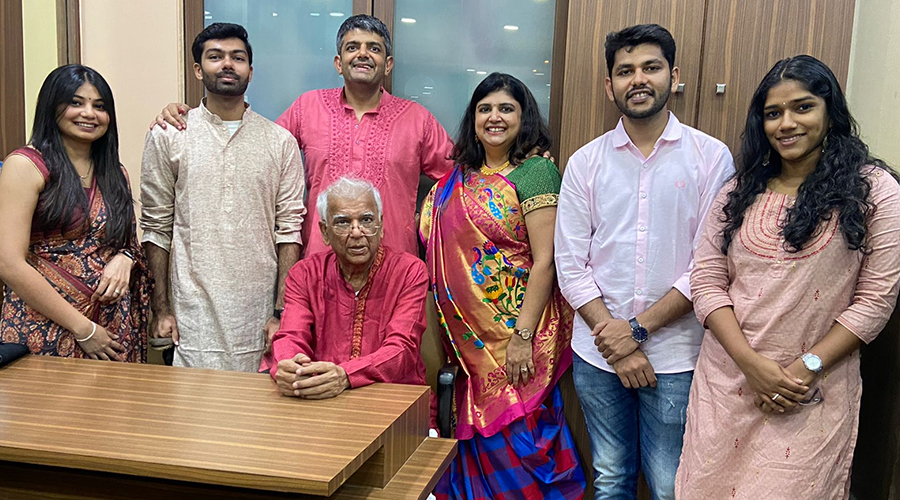
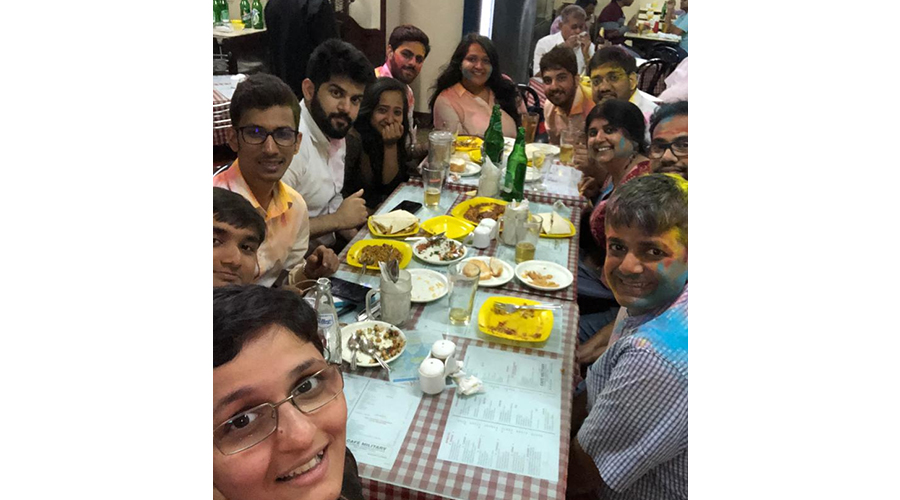
LIFE AT MHCO











PRACTICE AREA
Real Estate Law Firm and Lawyers in Delhi NCR
Corporate Law Firm and Lawyers in Delhi NCR
Civil Law Firm and Lawyers in Delhi NCR
RERA Lawyers in Mumbai for Property Disputes
Private Limited Company Registration in India
GET IN TOUCH
Mumbai: Surya Mahal, 2nd Floor 5, Burjorji Bharcha Marg Fort, Mumbai-400 023 India
Contact No.: T: +91-22-40565252
E: contact@mhcolaw.com
Delhi: C-9, Lower Ground Floor Jangpura Extension, New Delhi-110 0014 India
Contact No.: T: +91-11-40196496
E: contact@mhcolaw.com
2025 - MANSUKHLAL HIRALAL & CO.
Need Help? Chat with us