










MSI Is A Global Association Of Over 250 Independent Legal And Accounting Firms In More Than 100 Countries. MSI Has A Successful Track Record Of More Than 25 Years And The Firm Has Recently Been Selected To Represent Mumbai, India.
Please Click Here To See MSI’s Info Graphic Which Highlights Key Facts Of The About. With The Membership At MSI, The Firm Has Now Access To 253 Legal And Accounting Firms Worldwide For Its Clients Who Desire To Do Cross Border Transactions Across The World.
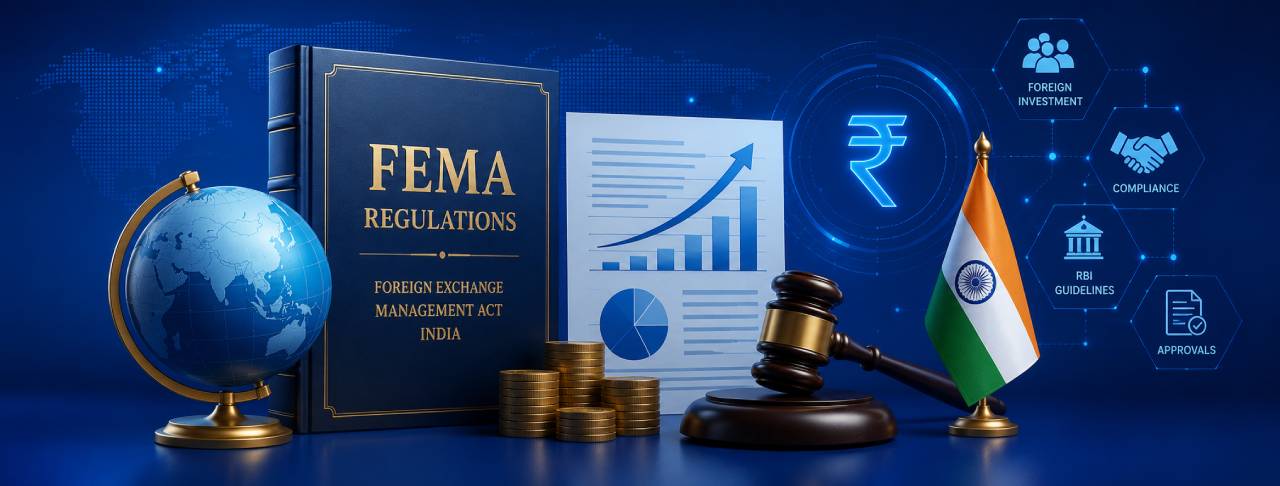
Understanding FEMA Regulations for Foreign Investment in Indian Companies
India has emerged as one of the world's most attractive investment destinations, drawing foreign investors across sectors such as technology, manufacturing, financial services, healthcare and infrastructure. While the country offers significant commercial opportunities, overseas investment is governed by a detailed regulatory framework designed to regulate cross border capital flows. Understanding FEMA Regulations for Foreign Investment is essential for foreign investors, Indian companies and startups seeking overseas capital. Compliance with these regulations ensures investments are legally structured, regulatory filings are completed on time and transactions remain compliant with Indian foreign exchange laws.
Foreign investment involves more than capital infusion. It requires careful planning, compliance with sector specific rules and timely reporting to regulatory authorities. Businesses that understand FEMA requirements from the beginning are better positioned to attract investment while avoiding legal complications.
What is FEMA?
The Foreign Exchange Management Act, 1999, commonly known as FEMA, regulates foreign exchange transactions in India. It replaced the earlier Foreign Exchange Regulation Act with the objective of facilitating external trade while maintaining orderly management of foreign exchange. FEMA governs inbound investment, outbound investment, foreign exchange transactions and cross border financial dealings. The Reserve Bank of India administers FEMA along with notifications issued by the Central Government.
FEMA Regulations for Foreign Investment Explained
Understanding FEMA Regulations for Foreign Investment begins with recognising their primary objective. The regulations establish legal procedures governing foreign investment into Indian entities while protecting the country's financial stability.
These rules specify:
- Eligible investors
- Investment routes
- Sectoral limits
- Pricing guidelines
- Reporting obligations
- Compliance requirements
Businesses receiving foreign investment should understand every stage of the regulatory process before accepting overseas capital.
Forms of Foreign Investment
Foreign investors may invest in India through various permissible structures depending on applicable laws and sector specific regulations.
Common investment routes include investment in:
- Equity shares
- Preference shares
- Convertible debentures
Each investment instrument is subject to applicable FEMA provisions and pricing guidelines. The legal structure selected often depends upon commercial objectives and regulatory considerations.
Automatic Route and Government Approval Route
Foreign investment in India generally takes place through either the Automatic Route or the Government Approval Route. Under the Automatic Route, investment is permitted without prior government approval, subject to applicable sectoral conditions. Certain sectors require prior approval from the Government before foreign investment may be accepted. Investors should verify applicable sectoral requirements before proceeding with transactions. Foreign investment policy information is available through the Department for Promotion of Industry and Internal Trade.
Sectoral Caps
Certain industries permit foreign investment only up to specified ownership limits. These sectoral caps vary depending upon government policy and national interest considerations. Businesses should carefully evaluate applicable ownership restrictions before negotiating investment arrangements. Failure to comply may invalidate transactions and result in regulatory action. Regular monitoring of policy updates remains important.
Pricing Guidelines
FEMA regulations prescribe valuation principles for issuing or transferring shares involving foreign investors. Pricing requirements seek to ensure fairness and transparency in cross border investment transactions. Valuation is generally conducted according to recognised methodologies. Proper valuation documentation forms an important part of regulatory compliance. Professional valuation advice is often necessary.
Reporting Requirements
Receiving foreign investment creates ongoing reporting obligations. Indian companies must complete prescribed filings within applicable timelines after issuing securities or receiving investment. Timely reporting enables regulatory authorities to monitor foreign capital inflows. Failure to submit required reports may attract penalties under FEMA. Reporting procedures are administered through the Reserve Bank of India. Relevant guidance is available through the Reserve Bank of India.
KYC Requirements
Foreign investment transactions involve Know Your Customer requirements. Authorised Dealer Banks verify investor identity and supporting documentation before processing transactions. Proper documentation supports transparency and regulatory compliance. Businesses should ensure all investor information remains accurate and complete.
Bank Account Requirements
Foreign investment transactions generally require designated banking channels. Companies receiving overseas investment typically work with Authorised Dealer Banks for remittance processing and regulatory reporting. Maintaining proper banking documentation simplifies compliance. Financial institutions also assist with FEMA related reporting obligations.
Compliance During Business Formation
Foreign entrepreneurs planning new company setup in india should evaluate FEMA requirements during the incorporation process. Corporate structure, ownership arrangements and sector specific restrictions should all be considered before accepting foreign investment. Early legal planning reduces regulatory complications during future fundraising. Proper structuring supports long term compliance.
Share Issuance Procedures
When foreign investment involves issuing shares, companies must comply with both corporate law and FEMA requirements. The process generally includes:
- Board approvals
- Share allotment
- Valuation compliance
- Regulatory reporting
- Statutory record updates
Careful coordination between legal, financial and compliance teams ensures smooth execution.
Transfer of Shares
Transfers involving foreign shareholders are also regulated under FEMA. Pricing guidelines, reporting obligations and procedural requirements may apply depending upon the transaction. Businesses should verify applicable rules before completing share transfers. Proper documentation protects both buyers and sellers.
Downstream Investment
Indian companies receiving foreign investment may themselves invest in other Indian entities. Such downstream investments may attract additional FEMA compliance requirements. Businesses should evaluate indirect foreign ownership implications before undertaking corporate restructuring or acquisitions. Professional advice becomes particularly valuable in these situations.
Investment in Startups
India's growing startup ecosystem has attracted significant foreign investment. However, startups receiving overseas funding remain subject to FEMA regulations alongside company law and taxation requirements. Founders should establish robust compliance systems before fundraising begins. Well organised governance facilitates smoother investment transactions.
Importance of Regulatory Documentation
Foreign investment transactions require comprehensive documentation. Important records typically include:
- Share subscription agreements
- Board resolutions
- Valuation reports
- Investor declarations
- Regulatory filings
- Banking documentation
Maintaining organised records supports future audits, due diligence and regulatory inspections.
FEMA Compliance During Expansion
Businesses undertaking foreign business registration India often encounter additional FEMA considerations while expanding operations. Cross border investments, overseas ownership structures and international commercial arrangements require careful legal review. Compliance planning should continue throughout the company's growth journey rather than ending after the initial investment.
Consequences of Non Compliance
Failure to comply with FEMA regulations may result in:
- Financial penalties
- Regulatory investigations
- Delayed transactions
- Compounding proceedings
- Commercial uncertainty
Timely compliance significantly reduces regulatory risk and protects investor confidence. Preventive legal planning remains the most effective approach.
Importance of Professional Advice
Foreign investment transactions involve multiple regulatory frameworks including company law, taxation, banking regulations and FEMA. Professional legal and financial advisors assist businesses with:
- Structuring investments
- Regulatory filings
- Documentation
- Valuation
- Ongoing compliance
Expert guidance reduces legal uncertainty while supporting efficient investment execution.
Conclusion
Understanding FEMA Regulations for Foreign Investment is essential for companies seeking overseas capital and foreign investors entering the Indian market. FEMA provides the legal framework governing investment structures, reporting obligations and foreign exchange transactions while promoting transparency and financial stability. Businesses that integrate FEMA compliance into their investment planning are better positioned to attract international investors, complete transactions efficiently and maintain long term regulatory compliance. Careful planning, organised documentation and ongoing professional guidance remain the foundation of successful foreign investment in India.
Frequently Asked Questions (FAQs)
Q1. What is FEMA?
FEMA is the Foreign Exchange Management Act, 1999, governing foreign exchange transactions and foreign investment in India.
Q2. Who regulates foreign investment under FEMA?
The Reserve Bank of India administers FEMA along with applicable Central Government notifications.
Q3. Can foreign investors invest in every sector?
No. Certain sectors have ownership limits or require prior government approval.
Q4. What is the Automatic Route?
The Automatic Route permits foreign investment without prior government approval, subject to applicable sectoral conditions.
Q5. Are reporting requirements mandatory?
Yes. Companies receiving foreign investment must complete prescribed regulatory filings within applicable timelines.
Q6. Why is FEMA compliance important?
Compliance helps ensure investments remain legally valid while reducing regulatory and commercial risks.
The information contained in this communication is intended solely for the use of the individual or entity to whom it is addressed and others authorized to receive it. This communication may contain confidential or legally privileged information. If you are not the intended recipient, any disclosure, copying, distribution or action taken relying on the contents is prohibited and may be unlawful. If you have received this communication in error, or if you or your employer does not consent to email messages of this kind, please notify the sender immediately by responding to this email and then delete it from your system. No liability is accepted for any harm that may be caused to your systems or data by this message.
OUR CLIENTS







MEDIA COVERAGES
AWARDS & RECOGNITION








AFFILIATIONS & ASSOCIATIONS
MEMBERS OF MSI GLOBAL ALLIANCE

MEMBERS OF ILF
International Law Firms (ILF) Is An International Association Of Independent Smaller And Mid-Sized Law Firms Serving Their Clients’ Needs In Cross Border Business Legal Issues. Our Association With ILF Enables Us To Effectively Assist Clients With Trans-National Legal Issues At Effective Prices.
LIFE AT MHCO















PRACTICE AREA
Private Limited Company Registration in India
Setting up a Company in India
Foreign Direct Investment (FDI) in India
Foreign Business Registration in India
Small Business Registration in India
GET IN TOUCH
Mumbai: Surya Mahal, 2nd Floor 5, Burjorji Bharcha Marg Fort, Mumbai-400 023 India
Contact No.: T: +91-22-40565252
E: contact@mhcolaw.com
Delhi: C-9, Lower Ground Floor Jangpura Extension, New Delhi-110 0014 India
Contact No.: T: +91-11-40196496
E: contact@mhcolaw.com
Contact No.: T: +91-22-40565252
E: contact@mhcolaw.com
Delhi: C-9, Lower Ground Floor Jangpura Extension, New Delhi-110 0014 India
Contact No.: T: +91-11-40196496
E: contact@mhcolaw.com
2025 - MANSUKHLAL HIRALAL & CO.
Need Help? Chat with us