









MSI Is A Global Association Of Over 250 Independent Legal And Accounting Firms In More Than 100 Countries. MSI Has A Successful Track Record Of More Than 25 Years And The Firm Has Recently Been Selected To Represent Mumbai, India.
Please Click Here To See MSI’s Info Graphic Which Highlights Key Facts Of The About. With The Membership At MSI, The Firm Has Now Access To 253 Legal And Accounting Firms Worldwide For Its Clients Who Desire To Do Cross Border Transactions Across The World.

Common Legal Disputes Between Startup Co-Founders and How to Prevent Them
Building a startup is often an exciting journey driven by innovation, ambition and shared goals. Many successful companies begin with two or more founders who combine their expertise to develop a business idea. However, as the business grows, differences in expectations, ownership and management frequently emerge. Co-Founder Disputes are among the most common reasons promising startups fail, even when the business has strong commercial potential. Most disagreements do not arise because founders lack commitment. They arise because important legal and commercial issues were never discussed or documented properly. Understanding common areas of conflict and implementing preventive legal measures from the beginning helps founders preserve both their business and professional relationships.
Strong legal planning allows founders to focus on growth instead of resolving avoidable internal conflicts.
Why Co Founder Disputes Occur
Many founders begin working together based on friendship, family relationships or mutual trust. While trust is essential, it cannot replace legally documented arrangements. As businesses expand, founders may develop different opinions regarding strategy, investment, ownership or management. Without clear agreements, even minor disagreements can escalate into significant legal disputes. Early legal planning creates certainty before challenges arise.
Understanding Co Founder Disputes Before They Affect Business Growth
Successful startups recognise Co-Founder Disputes as a governance issue rather than simply a personal disagreement. A well structured legal framework establishes expectations regarding ownership, responsibilities and decision making. When founders understand their legal rights and obligations from the beginning, disputes become significantly easier to prevent or resolve. Clear documentation supports business continuity during periods of growth and change.
Unclear Ownership Distribution
One of the earliest sources of disagreement involves ownership percentages. Many startups divide equity informally without evaluating future contributions or responsibilities. Over time, founders may believe ownership no longer reflects individual efforts. Properly documenting equity allocation from the beginning reduces uncertainty. Ownership discussions should address both present contributions and future expectations.
Undefined Roles and Responsibilities
Startups evolve rapidly. Responsibilities often change as businesses recruit employees and expand operations. If founder roles remain undefined, duplication of authority and conflicting decisions may occur. Founders should clearly document operational responsibilities, reporting structures and decision making authority. Clear accountability improves efficiency while reducing misunderstandings.
Disagreements Regarding Business Strategy
Founders frequently hold different opinions regarding business direction. Examples include:
- Market expansion
- Fundraising
- Product development
- Hiring decisions
- Financial priorities
While differing viewpoints can strengthen decision making, unresolved strategic disagreements may affect business stability. Governance procedures should establish how significant business decisions will be approved.
Compensation and Financial Expectations
Early stage founders often accept reduced salaries while investing significant personal time into the business. As revenue grows, disagreements regarding remuneration frequently emerge. Founders should discuss:
- Salaries
- Reimbursements
- Profit distribution
- Future compensation reviews
Transparent financial policies reduce future disputes.
Founder Exit Issues
Businesses should prepare for situations where a founder wishes to leave. Without agreed exit procedures, disputes concerning ownership, valuation and future participation often arise. Founder agreements should address:
- Voluntary resignation
- Retirement
- Incapacity
- Removal procedures
- Share buyback arrangements
Planning for departure protects both remaining founders and departing shareholders.
Intellectual Property Ownership
Intellectual property frequently represents a startup's most valuable asset.Disputes may arise if ownership of software, branding, inventions or creative work remains unclear. Founders should ensure all intellectual property developed for the business is legally assigned to the company. Clear ownership strengthens investor confidence. Guidance regarding intellectual property protection is available through the Intellectual Property India.
Decision Making Deadlocks
Equal ownership structures sometimes create decision making deadlocks. Where neither founder holds majority voting power, important commercial decisions may become impossible. Founder agreements should establish mechanisms for resolving deadlocks through mediation, arbitration or predetermined voting procedures. Business continuity depends upon effective governance.
Investment Related Disagreements
External investment often changes founder relationships. Some founders may support investment while others may prefer slower organic growth. Investment discussions should address:
- Equity dilution
- Investor rights
- Board representation
- Future funding rounds
Clear agreement before fundraising reduces internal conflict.
Confidential Information
Founders routinely access sensitive commercial information. Disputes occasionally arise following a founder's departure concerning confidential data, customer information or trade secrets. Confidentiality obligations should survive termination of the founder relationship. Legal protection supports long term commercial interests.
Vesting Arrangements
Many startups introduce founder vesting arrangements to encourage long term commitment Under vesting structures, ownership develops over time rather than immediately. These arrangements discourage situations where a founder leaves shortly after incorporation while retaining substantial ownership. Vesting often reassures investors regarding business stability.
Importance of Founder Agreements
A comprehensive founder agreement remains one of the strongest tools for preventing disputes. The agreement generally addresses:
- Ownership percentages
- Roles and responsibilities
- Decision making procedures
- Exit mechanisms
- Intellectual property
- Confidentiality
- Dispute resolution
Founders benefit from documenting commercial arrangements before launching operations.
Business Formation and Legal Planning
Entrepreneurs preparing to setup a company in India should prioritise founder documentation alongside incorporation formalities. Preparing legal agreements during incorporation creates stronger governance structures while reducing future legal uncertainty. Preventive legal planning costs considerably less than resolving disputes after they arise.
Dispute Resolution Clauses
No agreement can eliminate every disagreement. However, carefully drafted dispute resolution provisions reduce uncertainty. Many founder agreements include mediation followed by arbitration before litigation. Alternative dispute resolution often preserves commercial relationships while reducing legal costs.
Importance During Investor Due Diligence
Investors carefully review founder arrangements before funding startups. Unresolved founder disputes frequently discourage investment. Businesses with organised governance documentation demonstrate professionalism and operational maturity. Clear legal documentation strengthens investment readiness. Corporate governance guidance is available through the Ministry of Corporate Affairs.
Periodic Legal Review
Founder relationships evolve as businesses mature. Legal documentation should therefore be reviewed periodically. Expansion, fundraising, acquisitions and leadership changes may require updated agreements. Regular legal review ensures governance arrangements remain commercially appropriate. Many growing startups consult best corporate lawyers in India to review founder agreements before significant investment or expansion.
Creating a Culture of Transparency
Strong governance depends upon regular communication. Founders should openly discuss business objectives, financial expectations and operational challenges. Formal meetings, written resolutions and organised record keeping improve accountability. Transparency builds trust while reducing misunderstandings.
Conclusion
Every successful startup depends upon strong founder relationships built on trust, transparency and legal certainty. While Co-Founder Disputes cannot always be avoided, they can often be prevented through thoughtful planning and comprehensive legal documentation. Clearly defining ownership, responsibilities, governance procedures and exit arrangements from the beginning protects both founders and the business itself. Startups investing in preventive legal planning create stronger governance, improve investor confidence and establish a solid foundation for sustainable long term growth.
Frequently Asked Questions (FAQs)
Q1. Why do co founder disputes occur?
Most disputes arise because ownership, responsibilities or financial expectations were never documented clearly.
Q2. What is a founder agreement?
A founder agreement records ownership rights, responsibilities, governance procedures and dispute resolution mechanisms between founders.
Q3. Can founder disputes affect investment?
Yes. Investors frequently examine founder relationships during due diligence before investing.
Q4. Should friends starting a business sign legal agreements?
Yes. Personal trust should always be supported by legally documented arrangements.
Q5. How can startups prevent founder disputes?
Early legal planning, transparent communication and comprehensive founder agreements significantly reduce future disputes.
Q6. When should founder agreements be prepared?
Founder agreements should ideally be completed before or immediately after business incorporation.
The information contained in this communication is intended solely for the use of the individual or entity to whom it is addressed and others authorized to receive it. This communication may contain confidential or legally privileged information. If you are not the intended recipient, any disclosure, copying, distribution or action taken relying on the contents is prohibited and may be unlawful. If you have received this communication in error, or if you or your employer does not consent to email messages of this kind, please notify the sender immediately by responding to this email and then delete it from your system. No liability is accepted for any harm that may be caused to your systems or data by this message.
OUR CLIENTS







MEDIA COVERAGES
AWARDS & RECOGNITION









AFFILIATIONS & ASSOCIATIONS

MEMBERS OF MSI GLOBAL ALLIANCE

MEMBERS OF ILF
International Law Firms (ILF) Is An International Association Of Independent Smaller And Mid-Sized Law Firms Serving Their Clients’ Needs In Cross Border Business Legal Issues. Our Association With ILF Enables Us To Effectively Assist Clients With Trans-National Legal Issues At Effective Prices.
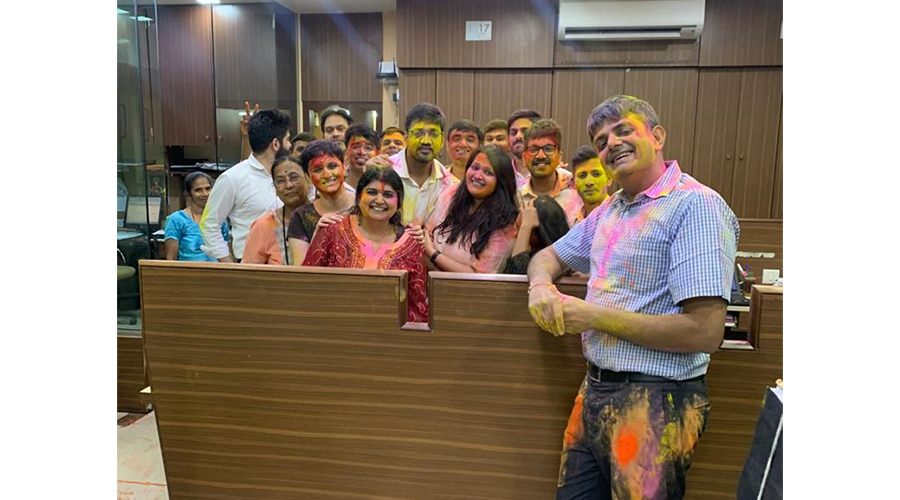
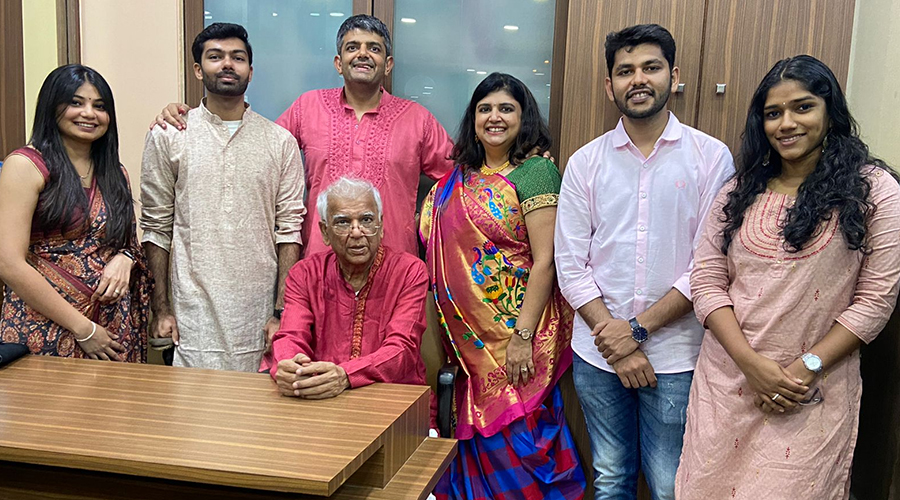
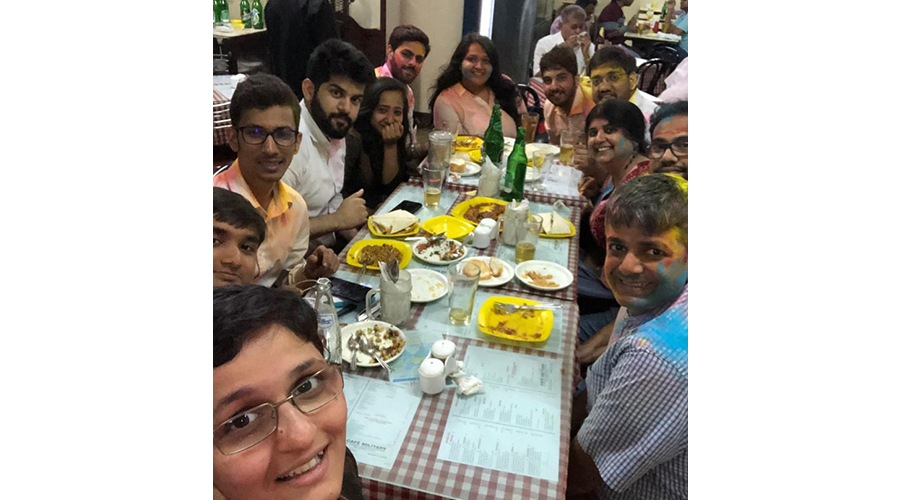
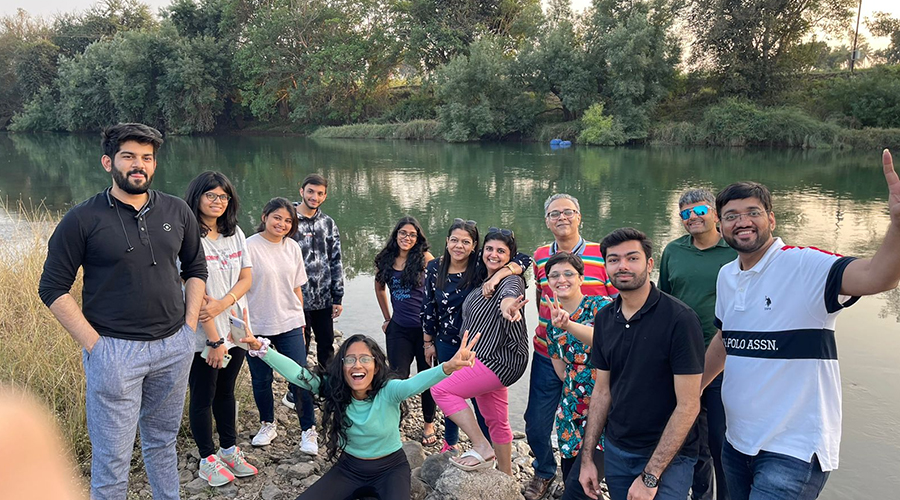
LIFE AT MHCO











PRACTICE AREA
Private Limited Company Registration in India
Setting up a Company in India
Foreign Direct Investment (FDI) in India
Foreign Business Registration in India
Small Business Registration in India
GET IN TOUCH
Mumbai: Surya Mahal, 2nd Floor 5, Burjorji Bharcha Marg Fort, Mumbai-400 023 India
Contact No.: T: +91-22-40565252
E: contact@mhcolaw.com
Delhi: C-9, Lower Ground Floor Jangpura Extension, New Delhi-110 0014 India
Contact No.: T: +91-11-40196496
E: contact@mhcolaw.com
Contact No.: T: +91-22-40565252
E: contact@mhcolaw.com
Delhi: C-9, Lower Ground Floor Jangpura Extension, New Delhi-110 0014 India
Contact No.: T: +91-11-40196496
E: contact@mhcolaw.com
2025 - MANSUKHLAL HIRALAL & CO.
Need Help? Chat with us