











MSI Is A Global Association Of Over 250 Independent Legal And Accounting Firms In More Than 100 Countries. MSI Has A Successful Track Record Of More Than 25 Years And The Firm Has Recently Been Selected To Represent Mumbai, India.
Please Click Here To See MSI’s Info Graphic Which Highlights Key Facts Of The About. With The Membership At MSI, The Firm Has Now Access To 253 Legal And Accounting Firms Worldwide For Its Clients Who Desire To Do Cross Border Transactions Across The World.
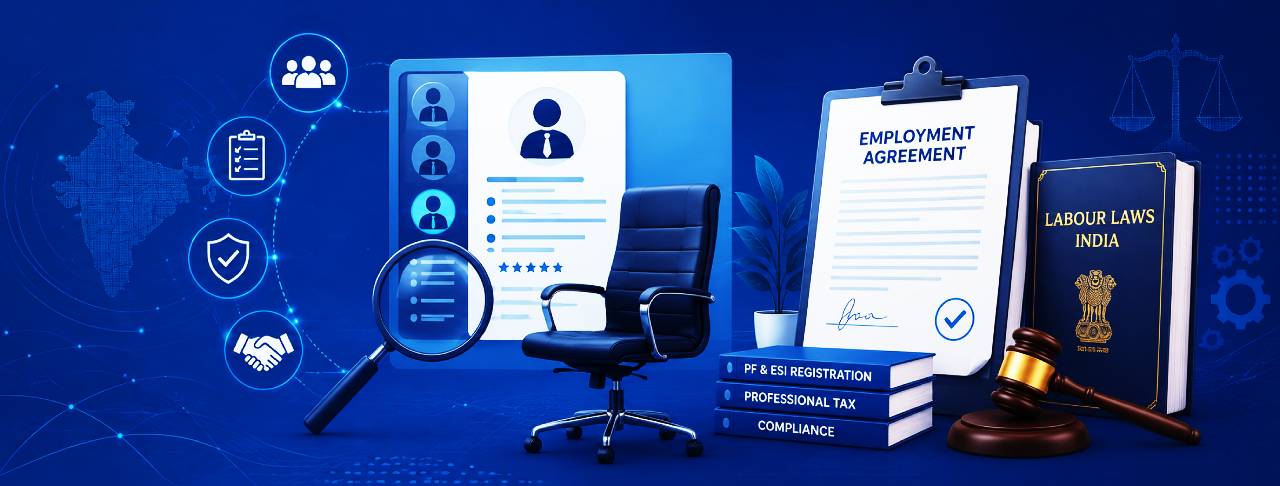
How to Legally Hire Employees After Starting a Company in India
Building a successful business requires more than securing customers and generating revenue. As operations expand, one of the most important milestones is Hiring Employees. While recruiting talent is essential for growth, employers must also comply with various employment laws, statutory registrations and workplace obligations. Many startups concentrate on finding the right people but overlook the legal requirements associated with employment. Such oversights can result in compliance issues, financial penalties and unnecessary disputes. Understanding the legal framework governing employment allows businesses to recruit confidently while creating a professional and compliant workplace from the beginning.
Every employment relationship should be built on clear documentation, regulatory compliance and transparent workplace policies. Proper planning protects both employers and employees while supporting sustainable business growth.
Why Employment Compliance Matters
Employment law governs the relationship between employers and employees. Compliance helps businesses avoid disputes, protects employee rights and promotes a healthy work environment. Businesses following proper legal procedures also gain greater credibility with investors, customers and regulatory authorities. Employment compliance should therefore become an integral part of business planning rather than an afterthought.
Hiring Employees Requires More Than Recruitment
For growing businesses, Hiring Employees involves much more than selecting qualified candidates. Employers must comply with labour laws, prepare legally valid employment agreements, complete statutory registrations and establish workplace policies. A structured recruitment process reduces legal risks while improving organisational efficiency. Businesses prepared for these obligations build stronger foundations for future expansion.
Determine the Nature of Employment
Before recruiting staff, businesses should determine whether individuals will work as permanent employees, fixed term employees, consultants or independent contractors. Each category involves different legal obligations. Incorrect classification may expose businesses to employment disputes and compliance issues. Employers should carefully evaluate the actual working relationship rather than relying solely on contract titles.
Prepare Proper Employment Agreements
Every employee should receive a written employment agreement before joining the organisation. Employment contracts generally address:
- Job responsibilities
- Salary structure
- Working hours
- Leave entitlements
- Confidentiality obligations
- Termination procedures
- Notice periods
Clearly drafted agreements reduce misunderstandings and create legal certainty for both parties.
Conduct Background Verification
Background verification protects businesses from recruitment risks. Verification may include:
- Educational qualifications
- Previous employment
- Identity verification
- Professional references
Verification should always respect applicable privacy laws and be conducted with appropriate employee consent. Maintaining recruitment records demonstrates responsible hiring practices.
Statutory Registrations
Depending upon employee strength and business activities, employers may require registrations under various labour laws. These may include:
- Employees' Provident Fund
- Employees' State Insurance
- Professional Tax where applicable
- Labour welfare requirements
Registration obligations vary depending upon employee numbers, salary levels and applicable state laws. Businesses should evaluate compliance requirements before expanding their workforce. Information regarding social security compliance is available through the Employees' Provident Fund Organisation.
Salary Structure and Payroll Compliance
Employee compensation should comply with applicable wage laws and employment regulations. Payroll systems should accurately record:
- Basic salary
- Allowances
- Statutory deductions
- Income tax deductions
- Employer contributions
Proper payroll management supports both compliance and employee confidence. Businesses should maintain accurate salary records for regulatory purposes.
Tax Deduction Obligations
Employers must comply with income tax deduction requirements wherever applicable. Tax Deducted at Source obligations require timely deduction, deposit and reporting. Maintaining organised payroll records simplifies statutory compliance. Income tax guidance is available through the Income Tax Department.
Workplace Policies
Employment agreements should be supported by internal workplace policies.
Important policies often include:
- Code of conduct
- Leave policy
- Attendance rules
- Data protection
- Confidentiality
- Anti harassment policy
Clearly communicated workplace policies improve consistency and reduce disputes. Employees should receive policy documents during onboarding.
Prevention of Sexual Harassment Compliance
Businesses employing workers must understand obligations under the Sexual Harassment of Women at Workplace (Prevention, Prohibition and Redressal) Act, 2013. Where applicable, employers should establish Internal Committees and implement grievance procedures.Regular awareness programmes contribute to workplace safety and compliance. A respectful work environment benefits every organisation.
Employee Records
Employers should maintain organised employment records throughout the employment relationship.These records commonly include:
- Appointment letters
- Identity documents
- Attendance records
- Payroll records
- Performance reviews
- Leave records
Proper documentation supports compliance while simplifying future audits and inspections.
Confidentiality and Intellectual Property
Employees often gain access to valuable commercial information. Employment agreements should include confidentiality obligations protecting business information. Where employees develop software, designs or other intellectual property, contracts should clarify ownership rights. Protecting intellectual property strengthens long term business value. Information regarding intellectual property protection is available through the Intellectual Property India.
Leave and Working Hours
Employers should establish clear policies governing:
- Annual leave
- Sick leave
- Public holidays
- Working hours
- Overtime where applicable
Compliance with applicable labour legislation promotes fairness while reducing misunderstandings. Transparent policies improve employee satisfaction.
Performance Management
Businesses benefit from structured performance evaluation systems. Documented appraisal procedures create transparency regarding employee expectations and career development. Regular feedback also provides useful records supporting future employment decisions. Fair evaluation processes strengthen workplace relationships.
Business Formation and Employment Planning
Entrepreneurs completing company formation in India should prepare employment documentation before recruiting their first employees. Legal preparation during incorporation allows businesses to scale more efficiently while maintaining compliance. Strong governance supports long term organisational growth.
Termination Procedures
Employment relationships occasionally conclude through resignation, retirement or termination. Businesses should follow contractual obligations and applicable employment laws during separation. Clear notice provisions, settlement procedures and exit documentation reduce legal risks. Professional handling of employment exits protects organisational reputation.
Importance for Startups
Businesses planning to register a startup company in india often recruit rapidly during early growth. Rapid hiring should never compromise legal compliance. Establishing employment systems from the beginning prevents operational challenges as workforce numbers increase. Well organised human resource practices improve investor confidence and operational efficiency.
Regular Legal Review
Employment laws continue evolving. Businesses should periodically review employment agreements, workplace policies and compliance procedures. Professional legal review helps organisations remain compliant while adapting to legislative developments. Regular updates reduce future legal exposure.
Conclusion
Successful Hiring Employees requires careful legal planning alongside effective recruitment. Employment agreements, statutory compliance, workplace policies and organised documentation create a legally secure foundation for business growth. Businesses investing in employment compliance from the beginning reduce legal risks, improve organisational stability and strengthen employee confidence. As organisations expand, maintaining compliant employment practices becomes an essential element of responsible corporate governance and long term commercial success.
Frequently Asked Questions (FAQs)
Q1. Can a company hire employees immediately after incorporation?
Yes. Once legally incorporated and operational, companies may begin recruiting employees while complying with applicable employment laws.
Q2. Is an employment agreement mandatory?
Written employment agreements are strongly recommended because they clarify rights, obligations and employment terms.
Q3. Do startups need labour law compliance?
Yes. Startups remain subject to applicable labour laws depending upon their workforce, location and business activities.
Q4. When should EPF registration be obtained?
EPF registration becomes applicable when statutory conditions prescribed under the law are satisfied.
Q5. Why are workplace policies important?
Workplace policies create consistency, improve compliance and help prevent employment disputes.
Q6. Should businesses review employment contracts regularly?
Yes. Employment documentation should be reviewed periodically to reflect legal developments and organisational growth.
The information contained in this communication is intended solely for the use of the individual or entity to whom it is addressed and others authorized to receive it. This communication may contain confidential or legally privileged information. If you are not the intended recipient, any disclosure, copying, distribution or action taken relying on the contents is prohibited and may be unlawful. If you have received this communication in error, or if you or your employer does not consent to email messages of this kind, please notify the sender immediately by responding to this email and then delete it from your system. No liability is accepted for any harm that may be caused to your systems or data by this message.
OUR CLIENTS







MEDIA COVERAGES
AWARDS & RECOGNITION









AFFILIATIONS & ASSOCIATIONS
MEMBERS OF MSI GLOBAL ALLIANCE

MEMBERS OF ILF
International Law Firms (ILF) Is An International Association Of Independent Smaller And Mid-Sized Law Firms Serving Their Clients’ Needs In Cross Border Business Legal Issues. Our Association With ILF Enables Us To Effectively Assist Clients With Trans-National Legal Issues At Effective Prices.
LIFE AT MHCO















PRACTICE AREA
Private Limited Company Registration in India
Setting up a Company in India
Foreign Direct Investment (FDI) in India
Foreign Business Registration in India
Small Business Registration in India
GET IN TOUCH
Mumbai: Surya Mahal, 2nd Floor 5, Burjorji Bharcha Marg Fort, Mumbai-400 023 India
Contact No.: T: +91-22-40565252
E: contact@mhcolaw.com
Delhi: C-9, Lower Ground Floor Jangpura Extension, New Delhi-110 0014 India
Contact No.: T: +91-11-40196496
E: contact@mhcolaw.com
Contact No.: T: +91-22-40565252
E: contact@mhcolaw.com
Delhi: C-9, Lower Ground Floor Jangpura Extension, New Delhi-110 0014 India
Contact No.: T: +91-11-40196496
E: contact@mhcolaw.com
2025 - MANSUKHLAL HIRALAL & CO.
Need Help? Chat with us